Leave Your Message
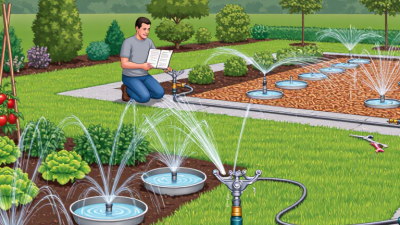
Choosing an Impulse Sprinkler for a farm, nursery, or landscape project involves more than comparing prices. The right model must suit the water source, operating pressure, field shape, and expected coverage. A sprinkler that performs well in a small test plot may behave differently across a windy, uneven field. Details matter.
For global buyers, product specifications can also be hard to compare. Nozzle size, inlet thread, flow rate, and spray radius should be checked against the actual irrigation system, not treated as isolated numbers. Ask suppliers for clear technical data and, where possible, test results under stated pressure conditions. Check the body material, impact arm, spring, and available replacement parts, too. These components face repeated movement, sun exposure, and water that may contain sediment. A low purchase price can become less attractive if parts are difficult to source.
This guide presents seven practical buying tips for evaluating an Impulse Sprinkler before placing an order. It covers performance, compatibility, durability, documentation, and supplier communication. Small checks can prevent costly surprises. Still, there is no single best model for every site. Local water conditions and installation quality can change the result, and a specification sheet cannot reveal everything. Treat it as a starting point, then compare the product with your real operating needs.
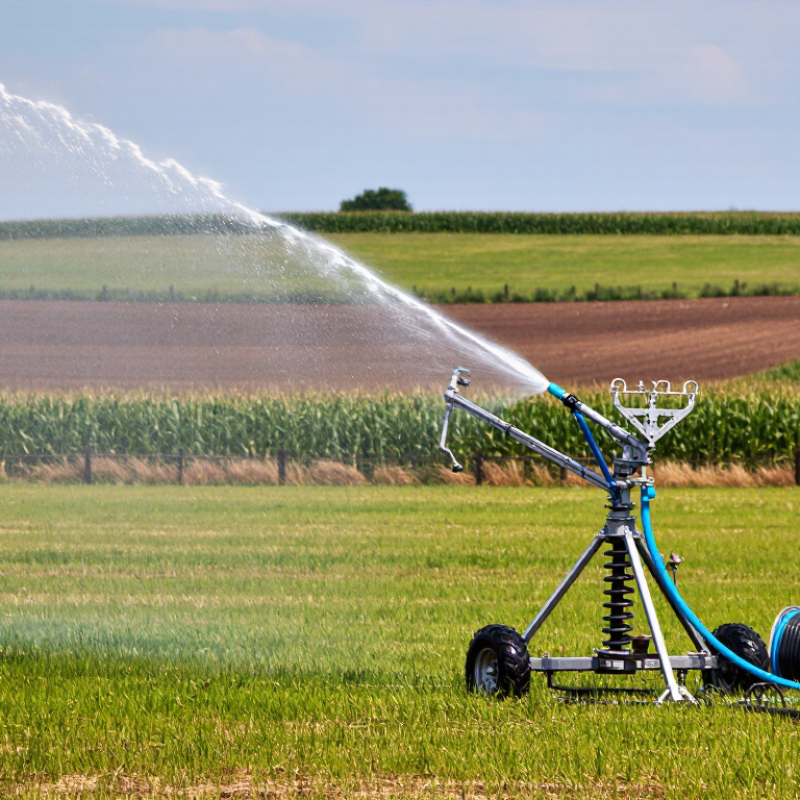
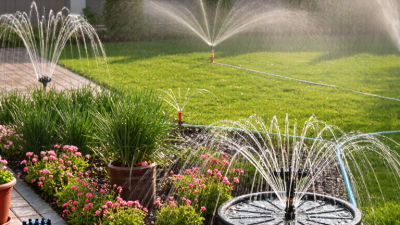
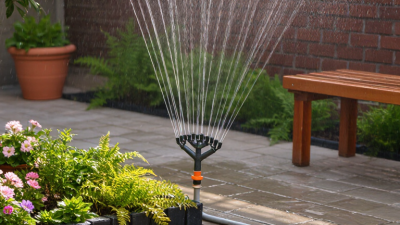
An impulse sprinkler turns a focused water jet into intermittent coverage. Water pressure drives the jet and moves a spring-loaded impact arm. The arm taps the stream, then releases, advancing the sprinkler head in small steps. A diffuser pin can break the stream into droplets, while an adjustable stop controls the watering arc. The sound is distinctive. So is the motion.
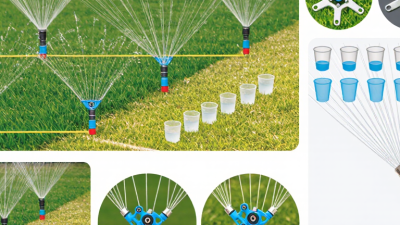
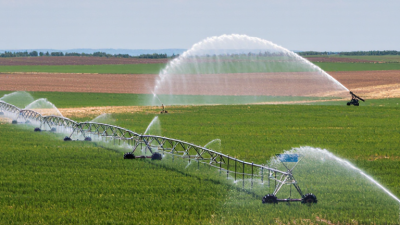
Pressure, nozzle size, and water quality shape performance. Too little pressure may shorten the throw; excessive pressure can create fine droplets that drift in wind. Check the sprinkler’s operating range and match it to the available pump or supply. Screens can help limit grit that might obstruct a nozzle, though they need regular cleaning. FAO’s 2017 report, Water for Sustainable Food and Agriculture, estimates that agriculture accounts for about 70% of global freshwater withdrawals. That makes uniform application worth attention, even on a small plot. Impulse sprinklers are used on field crops, pasture, orchards, and larger gardens, where a rotating pattern can cover open ground. Wind changes everything. Trees, slopes, and uneven pressure can leave dry patches, so a field test with catch containers is more useful than relying on the advertised radius alone.
| Buying Tip | How It Works | What to Check | Common Applications | Practical Buyer Guidance |
|---|---|---|---|---|
| 1. Match the sprinkler to the job | An impulse sprinkler directs a water jet through a nozzle. A spring-loaded impact arm repeatedly strikes the sprinkler body, advancing the head and distributing water around the irrigated area. | Confirm the intended crop, area shape, desired coverage, and whether a full-circle or adjustable part-circle model is appropriate. | Gardens, lawns, small and medium agricultural plots, and some orchard layouts. | Choose based on the site layout and irrigation plan rather than assuming that one sprinkler suits every crop or field. |
| 2. Check operating pressure and flow | Nozzle discharge and throw depend on the nozzle opening and the pressure and flow available at the sprinkler. | Compare the product’s published pressure and flow requirements with measured or reliably specified system conditions. Account for pressure losses in pipes and fittings. | Any installation supplied by a pump, tank, or pressurized irrigation network. | Ask for performance data tied to specific nozzle and pressure combinations. Do not compare advertised coverage figures without checking their test conditions. |
| 3. Verify radius and water distribution | The jet’s reach and the pattern of water application vary with operating conditions, nozzle selection, sprinkler height, and wind exposure. | Review the stated radius, distribution information, and recommended spacing. Check whether figures describe radius or diameter. | Open plots, lawns, crop beds, and orchard rows where adjacent sprinklers may need to overlap. | Plan spacing using the manufacturer’s data and local conditions. Overlap is commonly used to reduce dry areas, but the required amount depends on the system and site. |
| 4. Select a compatible inlet connection | The sprinkler connects to a riser, pipe, or fitting, and incompatible thread types or sizes can cause leaks or prevent installation. | Confirm connection size and thread standard, such as BSP or NPT, as well as whether an adapter is required. | Replacement installations and new systems assembled from locally sourced pipes and fittings. | Check the actual connection specification before ordering; thread standards are not interchangeable simply because nominal sizes appear similar. |
| 5. Choose materials for the water and environment | The body, impact arm, spring, nozzle, and seals are exposed to water, outdoor conditions, and repeated mechanical movement. | Review material specifications, corrosion resistance, UV exposure suitability, and the availability of replaceable wear parts. | Outdoor irrigation in gardens, farms, nurseries, and other exposed locations. | For water containing sediment or dissolved minerals, confirm cleaning and maintenance guidance. Material choice alone does not eliminate clogging or wear. |
| 6. Consider water quality and maintenance | Particles can obstruct a nozzle or affect the impact mechanism. Regular inspection helps keep the jet and rotation consistent. | Check nozzle access, cleaning instructions, filter recommendations, and availability of replacement nozzles, springs, or impact arms. | Systems using surface water, stored water, or other supplies that may contain debris. | Use filtration appropriate to the water source and the irrigation system. Follow the product guidance for cleaning; avoid forcing tools through a nozzle unless recommended. |
| 7. Evaluate site conditions and total value | Wind, elevation, mounting height, operating schedule, and system layout can affect how evenly water reaches the target area. | Assess wind exposure, terrain, riser stability, service requirements, spare-part access, and any applicable local import or product requirements. | Fields, orchards, gardens, and other outdoor areas where weather and terrain vary. | Where possible, test a sample under representative conditions. Compare documented performance, connection compatibility, serviceability, and expected operating needs—not purchase price alone. |