How to Choose the Best Rotating Sprinkler from China?
Selecting the best Rotating Sprinkler from China requires more than comparing catalog prices. A suitable model must distribute water evenly, resist outdoor wear, and match your irrigation area. It should also connect securely with your existing hose, pipe, or pump system. Small details matter. A weak connector can cause leaks. A narrow spray pattern can leave dry patches beside healthy grass.
This guide explains how experienced buyers evaluate Chinese manufacturers and their products. We will examine materials, spray range, pressure requirements, rotation mechanisms, packaging, and production consistency. Stainless steel components may improve durability, while quality engineering plastics can reduce weight and corrosion risks. Neither option is automatically better. The correct choice depends on water quality, climate, field size, and expected operating hours.
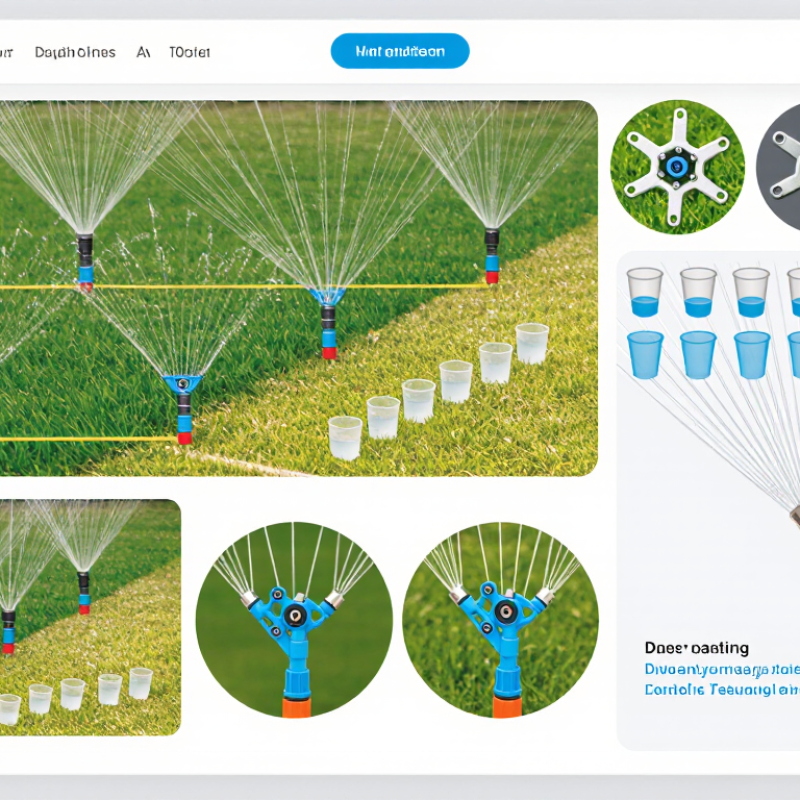
Reliable sourcing also requires evidence. Ask for technical drawings, performance data, sample units, and clear quality-control procedures. Factory experience, export records, and responsive communication can reveal more than polished photographs. Where practical, test samples under realistic pressure and measure coverage with simple collection cups. Numbers expose assumptions.
Do not trust every impressive claim.
A low purchase price may hide higher replacement costs. I have also learned that even a reputable supplier can deliver inconsistent batches without written specifications. Therefore, this article keeps a practical focus. It connects product features with real use, helping importers, landscapers, farmers, and distributors make a more defensible decision. The final choice should balance performance, reliability, documentation, and long-term service rather than chasing the cheapest quotation.
What Is a Rotating Sprinkler and How Does It Work?
A rotating sprinkler is an irrigation device that distributes water through a turning head. Water pressure pushes internal gears or a small turbine. The mechanism then rotates the spray arm around a central point. This movement creates a broad, circular watering pattern. Simple, but not effortless.
Coverage depends on pressure, nozzle size, and the sprinkler’s rotation speed. Higher pressure may extend the spray distance, but excessive pressure can create mist and uneven watering. Lower pressure often leaves dry areas near the outer edge. Hard water can also block small nozzles over time. Regular cleaning matters.
When choosing a rotating sprinkler from China, examine its material, connection size, and tested flow rate. Durable plastic is light, while metal parts may resist impact better. Ask for pressure and coverage data under real operating conditions. A product claiming very wide coverage may need strong water pressure. That detail is easy to miss.
Check the spray pattern on soil, not only in a catalog image. Watch for puddles, weak streams, and delayed rotation. A stable base prevents the unit from shifting during use. Weather resistance is useful, but no material lasts forever under constant sunlight. Supplier inspection records, sample testing, and clear replacement-part support improve reliability. Even careful selection can fail if the water source is inconsistent.
How to Match Sprinkler Performance to Your Irrigation Needs
Choosing the best rotating sprinkler from China starts with matching performance to field conditions.
A larger radius is not always better. Measure area shape, crop height, soil intake rate, wind exposure, available pressure, and flow. FAO AQUASTAT reports that agriculture uses about 70% of global freshwater withdrawals. Small design errors can therefore become expensive.
For a lawn, a rotating sprinkler should provide even coverage without misting. For vegetables, select lower precipitation rates that suit the soil. The USDA NRCS Irrigation Guide commonly places sprinkler application efficiency around 60–80%, depending on wind, pressure, and design. Ask suppliers for flow rate, operating pressure, wetted diameter, and distribution-uniformity test results. ASABE/ANSI S436.1 testing can support more reliable comparisons than catalogue pictures.
Pressure matters greatly.
Excess pressure may create fine droplets and wind drift. Low pressure can shorten the radius and leave dry strips. In practical sourcing, request a real test video and nozzle chart from the Chinese manufacturer. Check whether the data uses clean water, level ground, and calm conditions. Real fields are rarely that polite. I have seen a sprinkler perform well in a factory test but poorly beside a hot greenhouse. That gap deserves honest attention. Also review corrosion resistance, filter requirements, thread standards, spare nozzle availability, and warranty terms before ordering.
How to Evaluate Chinese Suppliers, Quality, and Certifications
Choosing the best rotating sprinkler from China requires more than comparing prices. A capable supplier should explain flow rate, spray radius, working pressure, materials, and connection sizes clearly. Ask for evidence. Request a current business license, factory address, production photos, and recent inspection records. A video call can reveal whether the facility actually produces sprinklers or only trades them.
Quality should be tested with physical samples. Check the rotating head after repeated operation, not just after a few minutes. Measure spray coverage at different pressures, inspect thread accuracy, and look for leakage around seals. Ask whether the body uses UV-resistant plastic or corrosion-resistant metal. Test the sample yourself. One practical mistake is trusting a perfect sample while ignoring batch consistency. Request a pre-shipment inspection, written specifications, and random testing records for each production lot.
Certifications need careful verification. ISO 9001 indicates a quality management system, but it does not guarantee sprinkler performance. CE requirements may apply to certain markets and product categories, so confirm the relevant rules before relying on the mark. Ask for certificate numbers, issuing organizations, test standards, and matching product models. Verify documents through official databases or directly with the testing laboratory. Reliable suppliers accept technical questions and provide traceability from raw material to finished goods. Some answers may be incomplete. That is a warning, not a minor inconvenience.
How to Compare Pricing, Shipping, Orders, and After-Sales Support
How to Choose the Best Rotating Sprinkler from China?
Price should be compared by delivered cost, not factory price alone.
Request quotations for the sprinkler, nozzle set, packaging, inspection, and spare parts. FAO AQUASTAT reports that agriculture uses about 70% of global freshwater withdrawals. Small flow differences can therefore affect operating costs over time. Ask suppliers for tested flow rates, spray radius, pressure range, and material specifications. A cheap unit may become expensive when seals fail early. I have seen buyers overlook this detail.
Shipping needs equal attention.
UNCTAD’s Review of Maritime Transport reports that ships carry over 80% of global merchandise trade by volume. Compare sea, rail, and air options using the same delivery terms. Confirm carton dimensions, gross weight, loading port, transit time, customs documents, and cargo insurance. A lower freight quote can hide destination charges. Delivery estimates are not guarantees.
Order structure also changes the real price.
Compare minimum order quantities, sample fees, production lead times, payment stages, and replacement policies. Ask for a pre-shipment inspection and retain written specifications. The World Bank’s Logistics Performance Index shows that customs, tracking, and delivery reliability vary significantly between markets. After-sales support should include response times, troubleshooting videos, spare-part availability, and warranty procedures. Test one sample before placing a large order. That extra step feels slow, but it can expose weak rotation, uneven spray, or brittle plastic. No supplier is perfect, and my own earlier comparisons relied too heavily on unit price.