7 Tips to Choose the Right Irrigation Sprinkler?
Choosing the right Irrigation Sprinkler can seem simple until dry corners appear beside soaked plants. A reliable decision begins with the landscape, not a glossy product photograph. Measure the area, water pressure, soil texture, and plant spacing before comparing models. A vegetable bed needs different coverage from a narrow lawn strip. Wind also changes the result. In my experience, small pressure differences can distort spray patterns and waste water. That detail is easy to miss. This guide presents seven practical tips for choosing equipment with greater confidence.
The discussion considers spray range, flow rate, adjustment options, construction quality, maintenance, and total operating cost. It also explains why matching the sprinkler to the water source matters. Check manufacturer specifications carefully, including recommended pressure and precipitation rates. Independent agricultural extension guidance can provide useful comparisons for local conditions. A simple test helps too: place shallow containers around the watering zone and compare collected water after several minutes. Uneven levels reveal hidden coverage problems. Do not ignore filters, seals, or clogged nozzles. They often determine performance after installation. There is no perfect choice. Even experienced gardeners may need to adjust their original plan when soil, weather, or plant growth changes. Careful observation remains valuable. The best Irrigation Sprinkler should deliver consistent coverage, conserve water, and remain practical to inspect throughout the season.
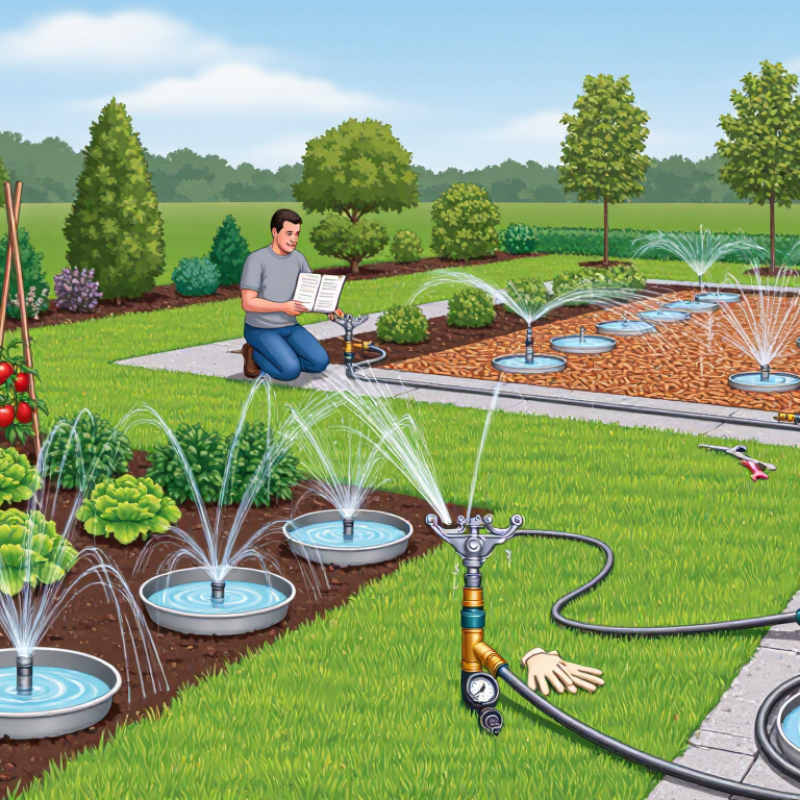
Classify Sprinkler Types by Coverage, Flow Rate, and Application
7 Tips to Choose the Right Irrigation Sprinkler?
Classify Sprinkler Types by Coverage, Flow Rate, and Application
Tip 1: Map the area before selecting a sprinkler. Measure beds, turf, slopes, and nearby walls. Tip 2: Match coverage to the shape. Rotary sprinklers suit large lawns, while fixed sprays suit narrow planting strips. Head-to-head coverage usually reduces dry patches. Tip 3: Check pressure and flow together. Use a pressure gauge and a one-minute bucket test. A sprinkler may perform poorly when several zones operate simultaneously. FAO’s AQUASTAT database reports that agriculture uses about 70% of global freshwater withdrawals. Small design errors therefore deserve attention.
Tip 4: Compare flow rates in litres per minute, not appearance. Two similar heads can consume very different volumes. Tip 5: Match application rates within one zone. Do not mix high-flow sprays with slower rotary devices. The USDA NRCS National Engineering Handbook recommends considering precipitation rate, soil intake, slope, and runoff risk. That advice is practical, especially on compacted ground. Tip 6: Select the application for the plant. Turf needs uniform surface coverage. Shrubs and trees often benefit from targeted drip or bubbler delivery.
Tip 7: Test every zone for ten minutes. Place shallow containers across the area and compare collected water. Recheck after wind or seasonal changes. EPA WaterSense estimates that weather-based irrigation control can save an average household about 8,800 gallons annually. That figure is useful, but local results vary. I would not trust a catalog chart alone. Field pressure, nozzle wear, and uneven soil can change the outcome.
Match Precipitation Rates to Soil Infiltration: 0.5–2 in/hr
Choose a sprinkler by matching its precipitation rate to your soil’s infiltration capacity.
Sandy soil may accept water near 2 inches per hour. Clay often absorbs closer to 0.5 inches per hour. A mismatched rate creates runoff, puddles, or dry roots.
Start with a simple infiltration test.
Place a straight-sided container on bare soil, add one inch of water, and record the absorption time. Repeat the test in two or three areas. Soil conditions vary. Recently compacted ground can behave differently from a garden bed.
I once measured a lawn after heavy foot traffic and assumed the entire area matched nearby soil. It did not.
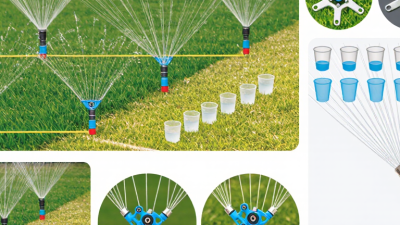
Check the sprinkler’s application rate with catch cups.
Place several identical cups across the spray pattern, run the system for 15 minutes, and compare water depths. Uneven results may indicate poor spacing, wind drift, blocked nozzles, or excessive pressure.
Choose slower application when water gathers before entering the soil.
On slopes, use shorter cycles with pauses between them. This reduces surface flow. Keep sprinkler spacing consistent, but inspect the edges carefully. Corners often receive less water than the center. Recheck rates after seasonal pressure changes or nozzle wear.
Small errors become visible in pale grass and compacted soil.
Verify Pressure and Flow Against Manufacturer Performance Data
Choosing the right irrigation sprinkler starts with verified performance, not appearance. The crucial question is simple: does your system deliver the pressure and flow the sprinkler requires? A pressure gauge at the zone inlet gives useful evidence. Static pressure is not enough. Measure pressure while the zone operates.
Flow matters just as much. Use a flow meter, or collect water for a timed bucket test when practical. Record the result in litres per minute. Then compare both readings with the manufacturer’s performance chart. These charts usually show pressure, flow, spray radius, and precipitation rate. Match the chart closely. Do not trust the package label alone.
I once selected a sprinkler using available pressure instead of operating pressure. The spray looked acceptable at first. After several heads ran together, the outer area received very little water. That mistake taught me to check pipe friction, elevation changes, clogged filters, and valve restrictions. Small losses matter. Very quickly.
Check the nozzle size and spacing together. A larger nozzle may increase coverage, but it can also exceed the zone’s available flow. Run every zone during testing, then inspect for dry edges, misting, and uneven arcs. Wind can distort results, so test on a calm morning when possible. Record pressure before and after each adjustment. The readings may expose a design assumption that seemed reasonable on paper.
Optimize Spacing Using the 50–65% Head-to-Head Coverage Rule
7 Tips to Choose the Right Irrigation Sprinkler?
Spacing controls more than water reach. It shapes uniformity, runoff, and plant health. The FAO AQUASTAT database reports that agriculture uses about 70% of global freshwater withdrawals. Small design errors can therefore become expensive. Measure the sprinkler’s real radius, not the catalog promise. Check pressure at the nozzle. Wind changes everything.
Apply the 50–65% head-to-head coverage rule. Place each sprinkler 50–65% of its wetted diameter from the next head. A 10-meter diameter requires roughly 5–6.5 meters between heads. Use closer spacing on slopes, sandy soil, or windy sites. Keep sprinkler types and precipitation rates similar within each zone. My first layout looked efficient. It was not.
Map corners before filling the center. Quarter-circle heads usually reduce overspray beside paths and walls. Triangular layouts often improve coverage, but they require more careful measurement.
Inspect catch cans after installation. The USDA NRCS National Engineering Handbook, Part 623, links sprinkler performance with pressure, wind, spacing, and distribution uniformity.
A practical test should show similar water depths across the cans. If one can is nearly empty, spacing alone will not fix the problem. Adjust pressure, nozzle size, or elevation. Recheck after seasonal maintenance. Soil compaction, clogged filters, and changing wind can quietly reduce uniformity. Perfect spacing on paper can still fail outdoors.
Compare Efficiency: Microirrigation Exceeds 90% With Proper Design
7 Tips to Choose the Right Irrigation Sprinkler
Compare Efficiency: Microirrigation Exceeds 90% With Proper Design
Agriculture uses about 70% of global freshwater withdrawals, according to FAO AQUASTAT data. Choosing an irrigation sprinkler therefore requires more than checking spray distance. Start by mapping plant zones, measuring water pressure, and testing the soil’s infiltration rate. Then match the sprinkler pattern to root depth and planting density. A narrow bed should not receive water meant for a lawn.
Seven practical checks improve efficiency.
- Select pressure-compensating emitters for uneven terrain.
- Use filters when water contains sand or organic debris.
- Divide zones by plant water demand.
- Add a rain or soil-moisture sensor.
- Check wind exposure before selecting fine spray nozzles.
- Inspect coverage with catch cans.
- Finally, measure runoff after each adjustment.
Microirrigation can exceed 90% application efficiency when properly designed, installed, and maintained, as reported in technical guidance from the Irrigation Association and USDA NRCS irrigation standards.
That figure is not automatic. Clogged filters, excessive pressure, and poor spacing quickly reduce performance. A field test may reveal dry corners beside saturated soil. That result deserves attention, not excuses.
FAO guidance also stresses scheduling, maintenance, and local climate data. Design for the root zone, not the entire visible surface. Small leaks matter. Recheck the system during the hottest month, when evaporation and plant demand expose weak assumptions.