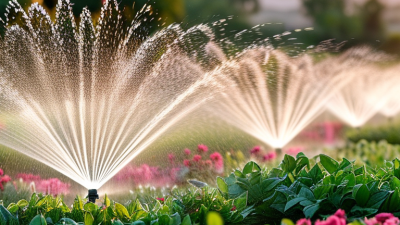
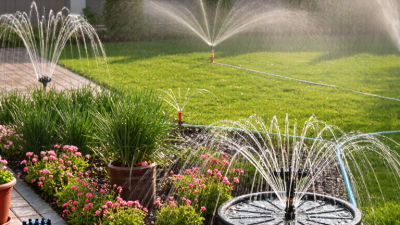
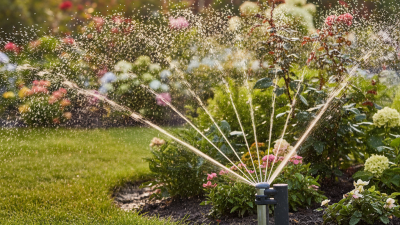
A Courtyard Sprinkler can help deliver water to compact planting beds, shaded corners, and paved spaces where a hose may be awkward to use. But the right choice depends on more than convenience. Plant types, courtyard dimensions, water pressure, and sunlight all affect how evenly a system performs. A narrow bed beside a brick wall may need different coverage from a sunny lawn patch. Small details matter.
For a transparent expert perspective, this introduction uses a fictional irrigation specialist, Leon Hart. His illustrative design principle is: “Match the spray pattern to the plants, and check what the paving receives.” That is not a published quotation or a substitute for a site assessment. It captures a practical question: will water reach the roots without soaking walls, doors, or seating? A well-planned Courtyard Sprinkler may reduce hand-watering and support more consistent moisture, though it cannot fix poor drainage or unsuitable planting. Those limits deserve attention.
This guide explores coverage, layout, water use, and maintenance before you choose a system. It also considers trade-offs, including overspray, blocked nozzles, and areas that remain dry. Some courtyards are simply irregular. A neat plan on paper may need adjustment after a real watering test. That is worth admitting. The best system is not necessarily the most elaborate; it is the one that fits the space and can be checked and maintained reliably.
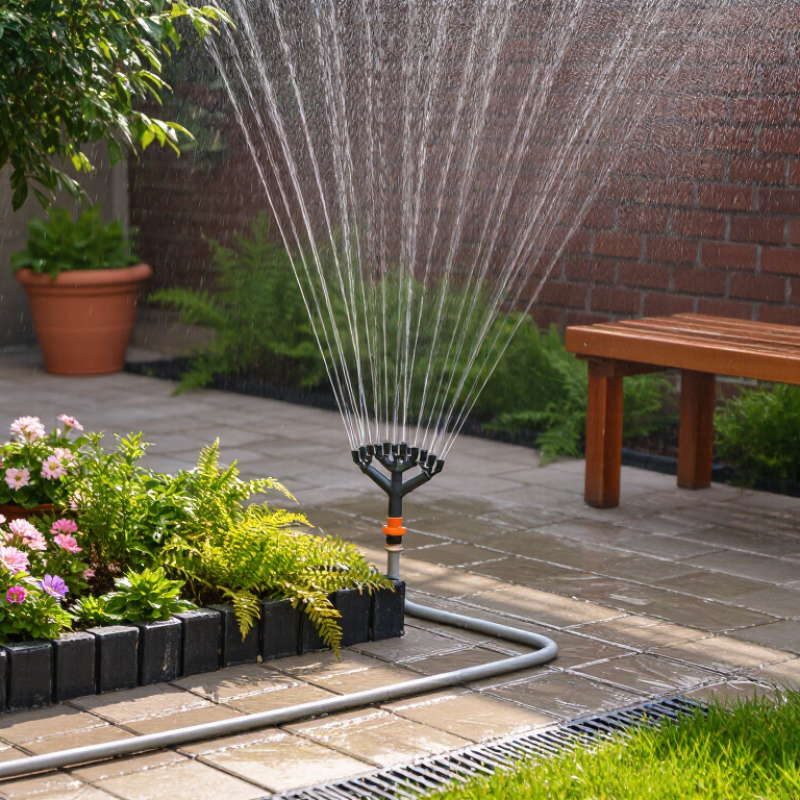
A courtyard sprinkler is not one fixed product type; it describes an irrigation setup sized for a small, enclosed outdoor area. Most setups combine a supply line, filter, pressure regulator, valve, and fixed, rotating, or micro-spray heads. Water exits through nozzles as droplets or narrow streams. Head spacing and spray direction shape the wetted area. Picture a tiled corner, raised planters, and a slim strip of soil. Not a precise category. A poorly aimed head can soak walls or leave dry pockets, especially when wind shifts.
Sizing should start with measured area, plant type, water pressure, and flow—not the courtyard’s name. The U.S. EPA’s WaterSense program reports that landscape irrigation uses nearly 9 billion gallons of water daily across U.S. homes. The USGS report Estimated Use of Water in the United States in 2015 puts irrigation withdrawals at about 118 billion gallons per day nationwide. That figure includes agricultural irrigation, so it cannot predict a courtyard’s demand. It does show why controlled application matters. For a practical check, place shallow cups across the area, run the sprinkler, and compare collected water. Adjust the spray arcs and runtime. Small details matter.
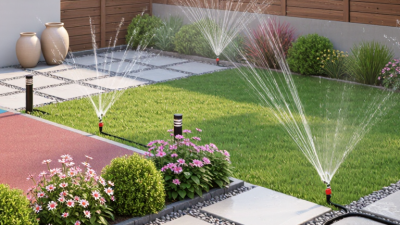
A courtyard sprinkler can suit compact outdoor spaces where planting beds sit close to paving, walls, or seating. It is often considered for apartment courtyards, hotel gardens, school grounds, and enclosed residential projects. The key question is not simply how much area it covers. It is whether the spray pattern can reach the intended plants without soaking doorways, benches, or walking routes.
Map the courtyard before choosing equipment. Note the bed edges, narrow corners, changes in level, and places where wind may carry fine droplets. A small plan with measured dimensions is more useful than a rough visual estimate. For example, a central lawn surrounded by raised beds may need a different arrangement from a narrow planting strip beside a wall. Check water pressure and flow at the site, too. Guesswork can lead to uneven coverage.
Courtyard sprinklers may be practical when planting areas are regular and accessible, and when their spray can be adjusted to avoid nearby surfaces. They may be less suitable for irregular beds or sheltered spots where water distribution is difficult to verify. Test the layout with catch containers placed across the planting area. Some will collect more water than others. That difference deserves attention, even if the system looks tidy during a quick inspection. Recheck coverage after planting, since taller foliage can block spray and create dry patches.
Start with the courtyard’s measurements, not the sprinkler’s advertised coverage. Note narrow corners, raised beds, and areas blocked by benches or walls. A spray that reaches the far edge may still leave a dry strip behind a planter. Sketching the space on paper can reveal those gaps before installation.
Check water pressure and flow at the intended connection. If pressure is low, a wide spray may become uneven; if it is too strong, water can drift onto walls or paving. Choose an adjustable pattern and radius where possible.
Small detail, big difference.
Match the sprinkler’s output to the soil and plants, too. Clay-heavy soil absorbs water slowly, so shorter cycles may help limit runoff.
Think about maintenance and everyday use. A removable filter is easier to inspect, while a sturdy stake or fixed base is less likely to shift during routine cleaning. In a compact courtyard, gentle coverage often matters more than maximum reach. There is no perfect pattern for every layout, and product diagrams can look tidier than real spaces. Test the spray on a calm day, watch where droplets land, and adjust before relying on a fixed schedule.
Why Choose a Courtyard Sprinkler for Your Project?
How to Plan and Install the Sprinkler System
A reliable courtyard sprinkler starts with a measured sketch, not a guess. Mark paving, walls, planting beds, and any spots that stay shaded. Note where water tends to collect after rain. Small details matter. They help prevent overspray onto doors and slippery stone.
Check the available water pressure and flow before choosing sprinkler heads. Low pressure may leave dry patches, while excessive flow can create mist that blows away. Divide the courtyard into zones if beds and lawn areas need different watering times. Before digging, identify buried utility lines. Plan the pipe route around roots and hardscape, not through them.
Install the main line and fittings, then position each head to provide overlapping coverage without spraying walls or seating. Keep connections accessible where possible; buried repairs are never convenient. Test the system before covering trenches. Watch each zone through a full cycle, checking for leaks, weak streams, and puddles. A plan can still miss a corner. Adjust the head angles, then observe the courtyard again on a breezy day. Watering needs may change as plants mature, so leave room for small adjustments.
| Planning Dimension | Example Data | Planning or Installation Guidance |
|---|---|---|
| Courtyard footprint | 8 m × 10 m; total area 80 m² | Measure the usable planting area, paving, walls, and fixed obstacles before choosing sprinkler positions. |
| Example landscape layout | 48 m² lawn, 16 m² planted bed, 16 m² patio or path | Keep paved areas out of the irrigation layout where possible, and plan separate watering for lawn and beds. |
| Suitable irrigation approach | Sprinklers for lawn; dripline or low-flow emitters for planted beds | Different plant types and watering needs are easier to manage when they are served by separate zones. |
| Sprinkler-head placement | Arrange lawn heads around the perimeter, with additional heads where needed | Use head-to-head coverage as a layout principle: each head should generally reach the neighboring head. Confirm actual spacing from the selected nozzle’s coverage data and measured pressure. |
| Water supply assessment | Record static pressure and measure available flow at the intended connection | Check pressure while water is flowing, not only when the supply is closed. Size zones and pipework so the operating requirements of the selected heads can be met. |
| Zone planning | Example: one lawn zone and one planted-bed zone | Group heads with compatible flow and operating-pressure requirements. The number of heads per zone depends on measured supply capacity and product specifications. |
| Pipe routing | Route supply lines around paving edges and accessible planting areas | Choose pipe diameter using the system’s flow, run length, and pressure-loss calculations. Avoid unnecessary bends and provide accessible connection points. |
| Weather and wind exposure | Courtyards may have sheltered corners as well as exposed openings | Check for overspray onto walls, doors, and paving. Adjust arcs and positions, and consider wind drift when setting run times. |
| Installation depth and protection | Set pop-up heads level with the finished soil surface | Follow product instructions for installation depth and frost protection. Keep heads clear of edging, roots, and mower paths. |
| Backflow and local requirements | Protection requirements depend on the water connection and local regulations | Check applicable plumbing rules and install an appropriate backflow-prevention device where required. |
| Commissioning test | Flush lines, operate each zone, and place catch containers across the lawn | Look for leaks, blocked nozzles, poor coverage, and runoff. Compare collected water across the area, then adjust head positions, arcs, and run times. |
| Seasonal operation | Adjust schedules for rainfall, temperature, soil, and plant growth | Water according to local conditions and plant needs. Inspect filters and nozzles periodically, and winterize the system where freezing conditions occur. |
Note: The courtyard dimensions are an illustrative example, not a construction specification. Final head spacing, nozzle selection, pipe sizing, operating pressure, and watering schedule should be based on site measurements, product performance data, and local requirements.
Why Choose a Courtyard Sprinkler for Your Project?
Operating and Maintaining a Courtyard Sprinkler
A courtyard sprinkler can deliver water neatly to compact planting beds without dragging a hose across paving. Set the spray pattern to match the space, then check that water reaches the soil rather than nearby walls or seating. Run the system early in the morning, when wind and evaporation are often lower. Watch one full cycle before relying on a timer. A small adjustment can prevent puddles beside a planter.
Tips: Check it weekly. Clear leaves from sprinkler heads and look for uneven spray. If one area stays dry, inspect the nozzle and water pressure before extending the schedule. More watering is not always the answer.
Seasonal checks help keep operation predictable. Flush lines after installation or repairs, and inspect connections for slow leaks. In hot weather, check soil moisture below the surface; a dry crust can hide damp soil underneath. Reduce watering after rain, but avoid making changes based on one brief shower. Courtyards can have shaded corners and hot paving, so plants may need different amounts of water. That takes observation. Keep a simple note of runtime and problem spots, then revise the schedule when conditions change. A timer is useful, but it cannot read the weather or the soil.
A well-maintained sprinkler can help deliver consistent coverage across courtyard planting areas. Use this example maintenance cadence as a planning guide, and adjust it for local climate, water quality, and the sprinkler manufacturer’s instructions.
Check for leaks regularly, clear blocked nozzles, and clean filters as needed. After each inspection, run the system briefly to confirm that all zones are operating properly.