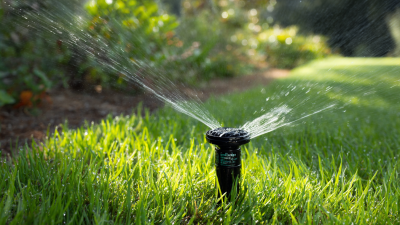
Best Water Sprinkler Head Options for Your Garden Needs?
When considering garden irrigation, selecting the right Water Sprinkler Head is crucial for optimal plant health. According to the National Gardening Association, over 75% of gardeners rate irrigation efficiency as key to their success. With a variety of options available, understanding the unique needs of your garden can be overwhelming.
Industry expert Dr. Richard Green, a horticulturist with over 20 years of experience, states, “Choosing the right Water Sprinkler Head can make or break your garden’s health.” His insight echoes the importance of proper irrigation systems. In fact, studies indicate that efficient sprinklers can reduce water use by nearly 50%, promoting sustainability in gardening practices.
However, many gardeners face challenges in selecting the best options for their specific crops. A common mistake is overlooking the specific watering needs of plants. Additionally, adjusting sprinklers for different seasons or plant growth stages often gets ignored. A well-planned irrigation system enhances garden productivity and conserves resources. Understanding the research and expert opinions on Water Sprinkler Heads is essential for making informed decisions.
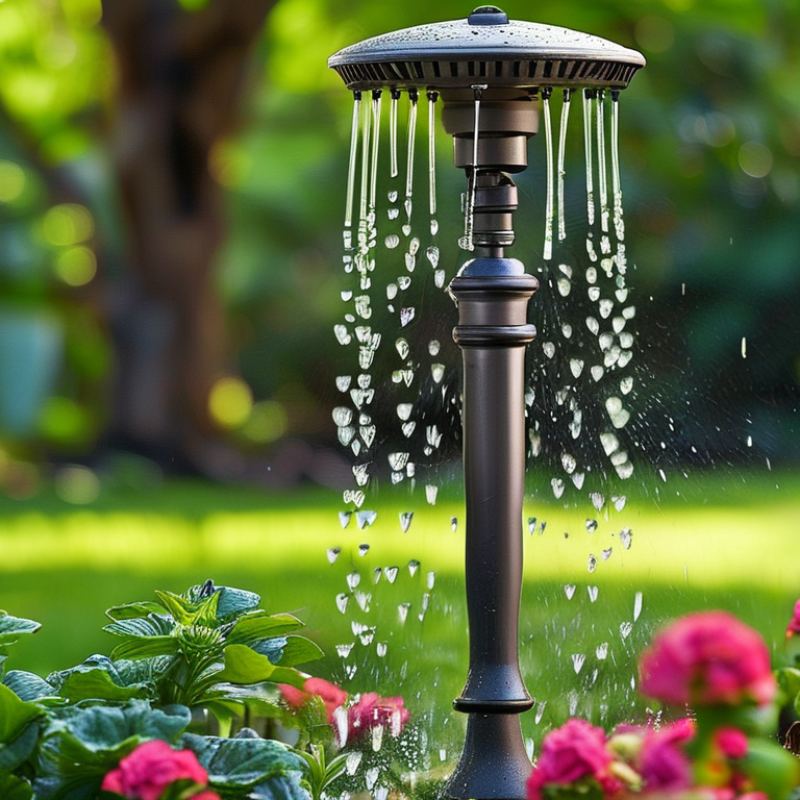
Best Water Sprinkler Head Options Based on Garden Size and Type
Choosing the right sprinkler head is crucial based on your garden's size and type. For small gardens, a fixed spray head works well. It provides targeted coverage with minimal water waste. Gardeners can enjoy vibrant flowers and healthy plants. However, be aware of uneven watering; adjusting the spray radius can help.
Larger gardens require more versatile options. Impact sprinklers can cover vast areas efficiently. They rotate and reach deep into the garden, ensuring even moisture distribution. It's important to monitor the soil; overwatering can lead to root rot. Adjusting the settings according to the type of plants is essential.
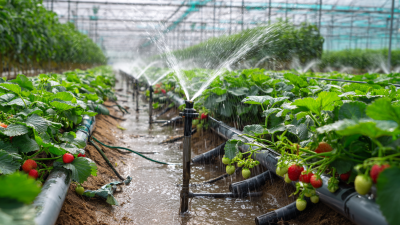
For flower beds or vegetable plots, drip irrigation might be worth considering. This method delivers water directly to the roots. It conserves water and minimizes evaporation. However, installation can be time-consuming, and clogs are common. Regular maintenance is necessary for optimal performance. Understanding your garden's unique needs will guide you to the best sprinkler head choice.
Understanding Different Types of Sprinkler Heads for Optimal Irrigation
When selecting the right sprinkler head for your garden, understanding the different types is crucial. Sprinkler heads come in various types, each with specific applications. For instance, stationary heads are effective for small areas. They provide a consistent water pattern and are often cost-effective. In contrast, oscillating heads are ideal for rectangular spaces. A study by the Irrigation Association indicates that oscillating sprinklers deliver about 30% more uniform coverage than stationary models.
Rotary sprinkler heads are another popular choice for larger gardens. They have rotating nozzles that allow for adaptive coverage. Research shows that rotary systems can reduce water waste by up to 40%, making them environmentally friendly. It’s important to consider the garden layout when choosing. Some gardeners might overlook this aspect, leading to uneven watering and wasted resources.
Additionally, soaker hoses are an underutilized option. They deliver water directly to the soil. This method minimizes evaporation and runoff. According to a report from the EPA, using soaker hoses can reduce water usage by nearly 50% compared to traditional sprinklers. Choosing the right type of sprinkler head requires assessment of your garden's specific needs. A thoughtful choice can enhance irrigation efficiency while conserving water.
Best Water Sprinkler Head Options for Your Garden Needs
| Sprinkler Head Type |
Water Distribution Pattern |
Adjustability |
Ideal Usage Area |
Coverage Radius |
| Fixed Spray |
Circular |
No |
Small to medium gardens |
10-15 feet |
| Oscillating |
Rectangular |
Yes |
Lawns and flower beds |
15-30 feet |
| Rotary / Impact |
Circular |
Yes |
Large gardens |
20-50 feet |
| Drip Irrigation |
Targeted |
No |
Vegetable gardens |
Varies by setup |
| Soaker Hoses |
Linear |
No |
Row gardens and beds |
N/A |
Evaluating Efficiency: Flow Rate and Coverage of Sprinkler Heads
When choosing a sprinkler head for your garden, efficiency is key. One crucial factor is the flow rate. It indicates how much water the sprinkler releases in a given time. Higher flow rates can cover larger areas quickly. However, they can also lead to runoff if the ground cannot absorb the water fast enough. Finding a balance is essential. Some gardens may prefer a lower flow rate to enhance water absorption in dry soils.
Coverage is another important aspect. Sprinkler heads have varying spray patterns and radii. A fixed spray pattern may work well for small gardens, while larger areas may benefit from oscillating types. It’s vital to consider the shape and layout of your garden. If your garden has obstacles, such as trees or shrubs, some sprinkler heads may not reach all areas. You may need to reposition them, which can be inconvenient.
It’s also worth noting that not all sprinkler heads perform equally. Some might have inconsistent water distribution. Users often report dry patches or overwatered areas. Experimentation and observation are critical. Make adjustments based on your garden’s unique needs. Regular checks can help maintain efficiency and encourage healthy plant growth.
Choosing the Right Sprinkler Material: Plastic vs. Metal Durability
When selecting a sprinkler head for your garden, material choice matters greatly. Plastic and metal are the two primary options on the market. Recent industry studies indicate that while plastic may be lighter and more affordable, metal typically outperforms in durability and lifespan. A report by the Irrigation Association reveals that metal components can last up to 25% longer than their plastic counterparts under similar conditions.
Plastic sprinklers may crack or degrade faster, especially under UV exposure. For example, in a temperate climate, plastic heads can start showing wear after three to five years. Metal, on the other hand, is often resistant to corrosion and physical impact. In test environments, metal sprinklers showed only a 5% failure rate over eight years, while plastic heads had a failure rate exceeding 20% in the same duration.
However, there are trade-offs. Metal heads can be heavier and more expensive. Additionally, even high-quality metal can rust if not properly maintained. It’s crucial to consider local weather patterns, soil type, and garden layout when making your decision. Choosing the right material requires careful thought about your specific gardening needs and maintenance willingness.
Comparison of Sprinkler Head Materials: Plastic vs. Metal Durability
Cost Analysis of Various Sprinkler Heads and Long-term Savings
Choosing the right sprinkler head can significantly affect your garden's health and your budget. Various sprinkler types come with different upfront costs and long-term savings. For example, drip irrigation systems may be more expensive initially but can save water and money over time. Knowing what you're investing in is critical.
When evaluating costs, consider installation and maintenance expenses. Some sprinklers require regular adjustments and repairs. This can add to overall costs. Simple to operate systems tend to save you hassle and money later. Always check the materials used in the construction of the sprinkler heads. Durable materials can lead to fewer replacements.
Tips: Assess your garden's size before purchasing. Smaller gardens might benefit from stationary sprinklers, while larger spaces may need rotating models. Another tip is to look for energy-efficient designs that reduce water usage. Consider checking online reviews and expert opinions for insights before making decisions. Don't rush. Evaluating your options can uncover hidden costs or savings.