How to Choose the Best Rotating Sprinkler for Your Garden?
Choosing the best rotating sprinkler for your garden can be a challenging task. With various options available, it's essential to know what to look for in a quality device. A rotating sprinkler not only saves time but also ensures even water distribution. However, selecting one that meets your garden’s specific needs can feel overwhelming.
Consider factors such as garden size, plant types, and water pressure. For instance, a small garden might thrive with a compact model, while larger areas require a sprinkler with extended reach. It's vital to choose a product that matches your watering requirements. Reviews and expert opinions can guide your decision. However, user experiences often reveal both advantages and shortcomings.
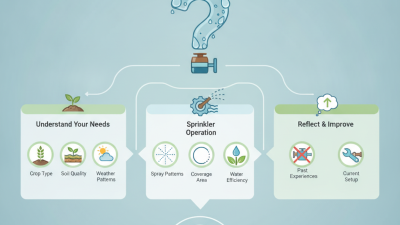
Investing in a rotating sprinkler is worthwhile but requires careful thought. Some models may not perform as promised. Reflect on your previous purchases. Did they meet expectations? By analyzing past experiences, you can make a more informed choice. Ultimately, selecting a rotating sprinkler is about balancing efficiency and effectiveness.
Understanding Different Types of Rotating Sprinklers Available in the Market
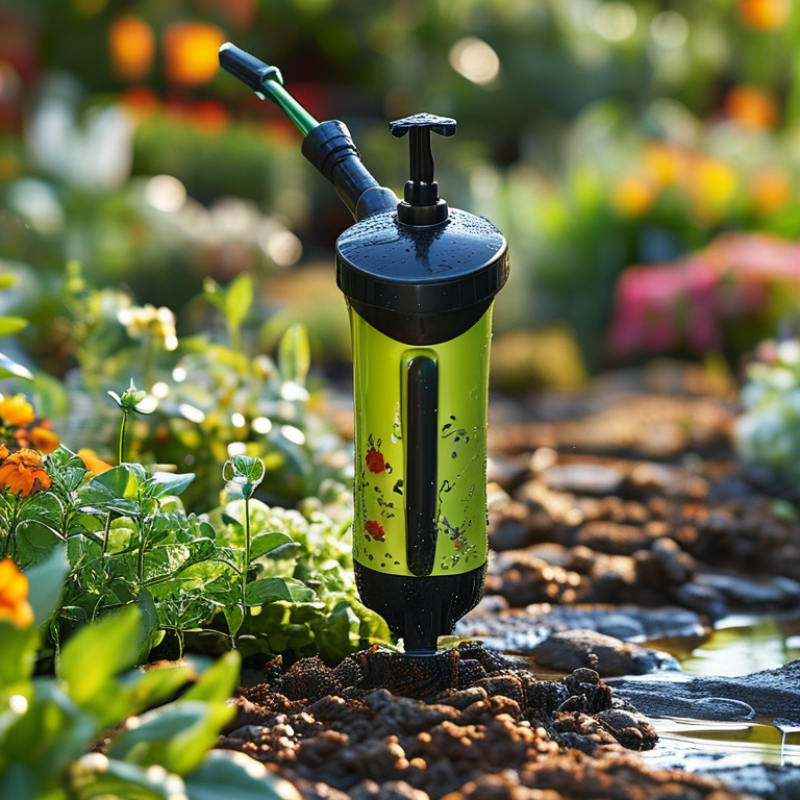
When selecting a rotating sprinkler for your garden, you should understand the different types available. There are impact sprinklers, gear-driven models, and multi-stream sprinklers. Each type offers unique features suitable for varying garden sizes and watering needs.
Impact sprinklers are durable and ideal for large lawns. They provide strong pressure and can cover a vast area. Gear-driven models are quieter and more efficient. They usually come with adjustable settings for specific watering needs. Multi-stream sprinklers are excellent for small or landscaped areas. They deliver water in a gentle, controlled manner.
Tips: Consider your garden layout. Take note of any obstacles. Determining the right type based on your plant types is crucial. If possible, test the sprinkler before purchasing it. Check for adjustable settings, as they can save water. Ensure it is made with quality materials for longevity.
Factors to Consider When Choosing a Rotating Sprinkler for Your Garden
When choosing a rotating sprinkler for your garden, several factors matter. Firstly, consider the size of your garden. A large area requires a sprinkler with a wider coverage radius. Smaller gardens benefit from compact models. Measure your space to pick the right fit.
Water pressure is another crucial aspect. Some sprinklers need higher pressure to operate effectively. If your water pressure is low, look for models that work well under such conditions. Be mindful of the water source to ensure compatibility.
Tips for selection:
- Check the rotating range. Avoid limitations in coverage.
- Look for adjustable spray patterns. Flexibility helps irrigate different plant types.
- Read reviews for insights. Users share real experiences, highlighting strengths and weaknesses.
Think about the
material and durability. Plastics might break easily under harsh weather. Metal options can last longer but may cost more. Reflect on how often you want to replace equipment.
Investing in quality often pays off in the long run.
Assessing the Coverage Area and Watering Needs of Your Garden
Choosing the right rotating sprinkler for your garden begins with assessing your garden's coverage area. Measure the dimensions of your garden first. Consider both the length and width. A precise measurement ensures that you select a sprinkler with the right radius. Many gardens have unique shapes. For oddly shaped areas, you may need multiple sprinklers to achieve even coverage.
Watering needs vary depending on plant types and soil conditions. Some plants require more water than others. Sandy soil drains quickly, while clay retains moisture. Adjust your sprinkler settings based on these factors. It's crucial to monitor your garden's moisture levels consistently. Overwatering can lead to root rot. Underwatering stresses plants. Striking the right balance is key.
Tips: Test each sprinkler before full installation. Observe how evenly they distribute water. If some areas remain dry, consider repositioning them. Regularly check for clogs or misalignment. A simple adjustment can improve efficiency. Remember, each gardener’s situation is unique. Reflect on past experiences to refine your approach.
Evaluating Durability and Material Quality of Rotating Sprinklers
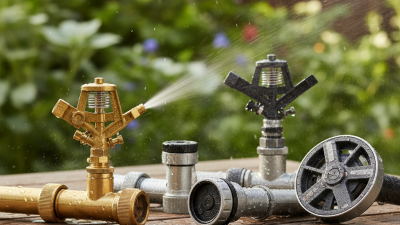
When evaluating the durability and material quality of rotating sprinklers, several factors come into play. High-quality materials significantly impact lifespan and efficiency. Research from the Irrigation Association indicates that sprinklers made from impact-resistant plastic or brass tend to last longer. Studies show that brass models can endure harsh weather conditions, while lower-quality materials may crack or fade after short-term use.
It's also essential to consider construction features. For instance, models with sealed bearings or stainless-steel components reportedly perform better in the long run. A study published in the Journal of Agricultural Engineering reveals that rotating sprinklers with advanced sealing mechanisms experience fewer clogging issues. Regular maintenance can help, but a durable design reduces the need for frequent repairs.
As you explore options, be mindful of cost versus quality. Often, cheaper alternatives might seem appealing, but they may lead to more significant expenses over time due to replacements and repairs. The National Gardening Association reports that investing in a quality rotating sprinkler can save water and reduce utility bills by up to 30%. Reflect on these factors as you make your choice to ensure a sustainable garden.
Budget Considerations: Finding a Sprinkler that Fits Your Financial Plan
When choosing a rotating sprinkler, budget plays a crucial role. Many gardeners assume that a higher price ensures better quality. However, this isn't always true. There are affordable options that can perform just as well. Researching features and user reviews can help identify these hidden gems.
Tips: Look for sprinklers with adjustable spray patterns. This ensures you can cover your garden's unique shape. Avoid overly complex models unless you really need those features. Simplicity often translates to reliability.
Finding the right price requires careful consideration. Your garden size matters. Larger areas may justify spending more for efficiency. Think about the long-term value. A cheaper sprinkler might wear out quickly, leading you to spend more eventually. Investing in a reliable, mid-range model could save you money.
Tips: Check for warranties or guarantees. This indicates a manufacturer's confidence in their product. Don’t forget to measure your garden space before shopping. It helps in finding the right size of sprinkler. Your budget should accommodate both the initial cost and ongoing maintenance.
How to Choose the Best Rotating Sprinkler for Your Garden?
| Feature |
Description |
Price Range |
| Coverage Area |
Up to 3,000 sq. ft. |
$25 - $50 |
| Spray Pattern |
Adjustable from 15 to 360 degrees |
$30 - $60 |
| Ease of Use |
No tools required for installation |
$20 - $40 |
| Durability |
Weather resistant materials |
$35 - $70 |
| Water Efficiency |
Designed to minimize water waste |
$25 - $45 |