Top Quality Garden Sprinkler Heads for Global Buyers?
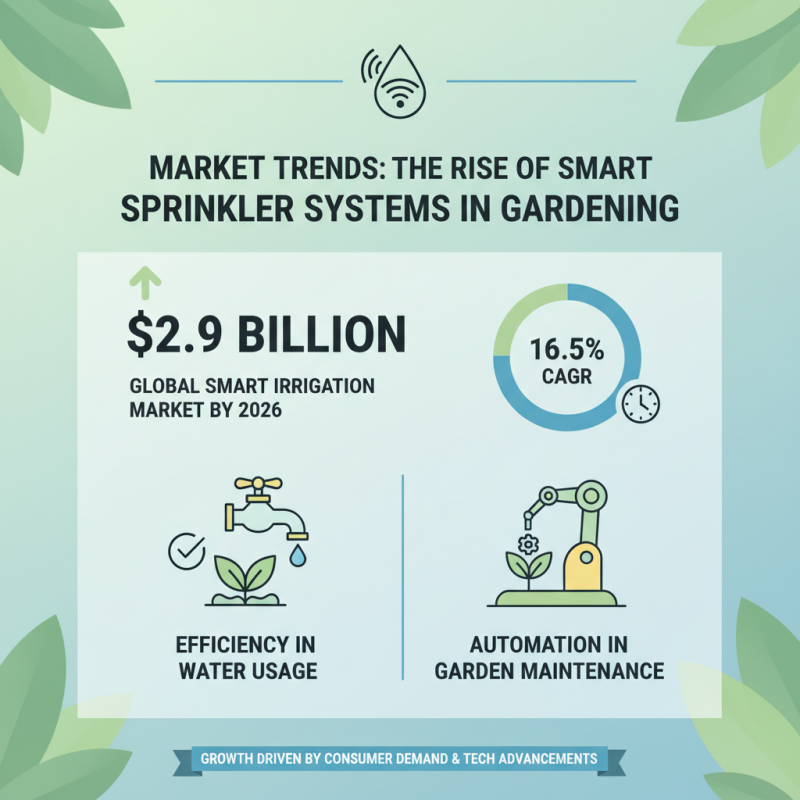
In the global market for irrigation solutions, the demand for high-quality garden sprinkler heads continues to rise. According to a recent report by Grand View Research, the garden sprinkler systems market is projected to grow significantly, driven by increased emphasis on water efficiency and sustainable gardening practices. Garden sprinkler heads play a crucial role in this growth. They determine the efficiency and effectiveness of water distribution in residential and commercial gardening.
However, not all garden sprinkler heads are created equal. Factors such as material quality, design, and performance can vary widely among manufacturers. A study from Statista highlights that over 40% of consumers prioritize durability and ease of use when selecting garden sprinkler heads. This preference reflects the need for reliable products that withstand various environmental conditions. Despite an array of available options, buyers often struggle to identify the best quality.
Investing in quality garden sprinkler heads can lead to better water management and healthier plants. Yet, potential buyers face overwhelming choices in the market. Understanding specifications and performance metrics is essential for making informed decisions. Careful consideration of features like spray patterns and coverage areas can prevent poor investment. As this market evolves, awareness of product standards will be critical.
Top Quality Garden Sprinkler Heads: An Overview of Global Standards
When selecting garden sprinkler heads, understanding global standards is crucial. Different regions have various specifications to ensure efficiency and water conservation. According to the Irrigation Association, nearly 70% of water usage in residential areas comes from outdoor irrigation. This highlights the importance of high-quality sprinkler heads that meet environmental standards.
For example, many regions now require sprinkler heads to adhere to specific flow rate limits. This ensures that water is used effectively while reducing waste. It’s important to choose products that have been certified by reputable standards organizations. Look for sprinklers that demonstrate compliance with the International Organization for Standardization (ISO) guidelines.
Tip: Always check the irrigation efficiency ratings when purchasing. A higher rating indicates better performance and less water waste.
In addition, the rise of smart irrigation technology has changed traditional practices. Sprinkler heads are now being integrated with sensors and timers. These advancements can significantly improve water usage. However, not every new technology is foolproof. Some systems may not function as advertised, leading to water inefficiency. Evaluating user reviews and technical details can help mitigate this risk.
Tip: Research common issues and customer feedback on new products to ensure reliability before purchase.
Top Quality Garden Sprinkler Heads: Performance Comparison
Key Features and Technologies in Modern Garden Sprinkler Heads
In contemporary gardening, quality and efficiency are paramount. Modern garden sprinkler heads have evolved significantly, showcasing advanced features and technologies. One notable feature is the adjustable spray patterns. Users can easily switch between mist, cone, and full spray, catering to various plant needs. This flexibility helps in ensuring optimal water coverage.
Another key aspect is the incorporation of smart technology. Some sprinkler heads can connect with weather sensors. This enables them to adjust watering schedules according to rainfall. Such smart features reduce water waste and improve sustainability in gardening practices. It’s impressive but can sometimes result in over-dependence on technology.
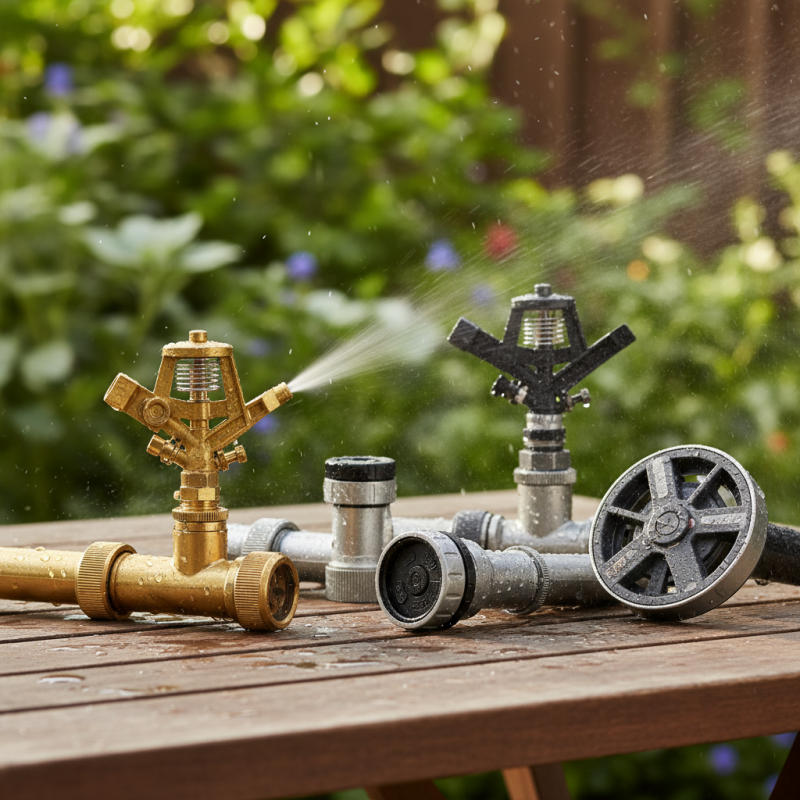
Furthermore, materials are critical. High-quality plastics and metals enhance durability against harsh weather conditions. However, not all products exhibit the same resilience. Users should be vigilant when selecting materials. Some may promise longevity but fail under pressure. Hence, careful evaluation is essential. The balance between innovation and traditional methods still deserves attention.
Evaluating Performance: Efficiency Ratings of Various Sprinkler Types
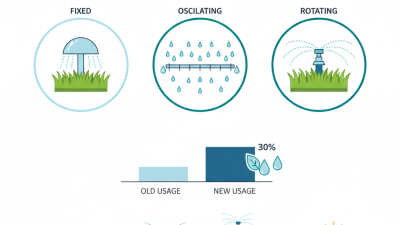
When evaluating garden sprinkler heads, efficiency ratings offer crucial insights. According to a report by the Irrigation Association, efficient sprinklers can reduce water usage by up to 30%. This is essential for sustainable gardening and landscape management. Different types of sprinkler heads have unique performance characteristics that can impact their efficiency.
For instance, drip irrigation systems often yield higher efficiency ratings. They deliver water directly to the plant roots, minimizing evaporation and runoff. In contrast, traditional spray heads may lead to significant water loss, particularly in windy conditions. A study indicated that conventional spray heads can waste up to 50% of water if not properly calibrated and placed. Awareness of these efficiency ratings can influence buying decisions.
Moreover, choosing the right sprinkler for specific garden types is vital. Some settings may require high-pressure spray heads for even coverage. However, lower pressure or rotary nozzles can enhance water distribution uniformity. This can be tricky, as incorrect installation can negate any efficiency benefits. Gardeners must aim for a balance between performance and water conservation to achieve optimal results.
Sourcing and Manufacturing: A Guide for Global Buyers in the Sprinkler Industry
When sourcing garden sprinkler heads, global buyers must consider several factors to ensure quality and reliability. Quality materials should be prioritized in manufacturing. Look for durable plastics or metals that can withstand various climates. Monitor the manufacturing process closely. Establish communication with suppliers to understand their quality control measures. This helps build trust.
Tips: Always ask for samples before making large orders. Testing products can reveal their true performance. Identify potential flaws early on.
Another key aspect is delivery timelines. Reliable suppliers should provide clear timelines. Unexpected delays can disrupt gardening projects. Engage with suppliers who are consistent in their shipping schedules. This reliability builds stronger business relationships.
Tips: Regular follow-ups can prevent miscommunications. Being proactive is crucial in the sourcing process. Stay informed about market trends to better negotiate terms and prices.