10 Best Garden Water Spray Guns for 2026
A dependable Garden Water Spray Gun should make watering feel controlled, not like a wrestling match with the hose. The right nozzle can rinse soil from a patio, soak a thirsty tomato bed, or give hanging baskets a gentle drink. But a wide spray that cleans paving may flatten seedlings. Small details matter: a smooth trigger, a comfortable grip, clear flow settings, and a connection that does not drip onto your shoes.
Horticulturist Dr. Linda Chalker-Scott’s research-based approach to watering can be distilled into a practical reminder: “Choose a spray that puts water where plants need it.” This guide compares 10 garden spray guns for 2026, looking at spray patterns, handling, adjustment, and everyday usefulness. A product can look sturdy online and still feel awkward after ten minutes. That deserves a second look.
Expect options for different jobs and budgets, rather than one perfect tool for every garden. We also consider how easily each gun switches from a soft shower to a stronger stream, and whether its controls are simple with wet hands. Nozzle labels do not tell the whole story. Your water pressure, hose, and plants change the result. A little trial and error is normal. The goal is a spray gun that makes routine watering easier, while giving delicate leaves and dry corners the attention they need.
What Garden Water Spray Guns Are and How They Work
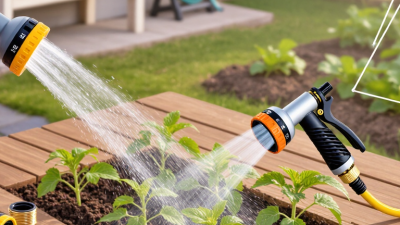
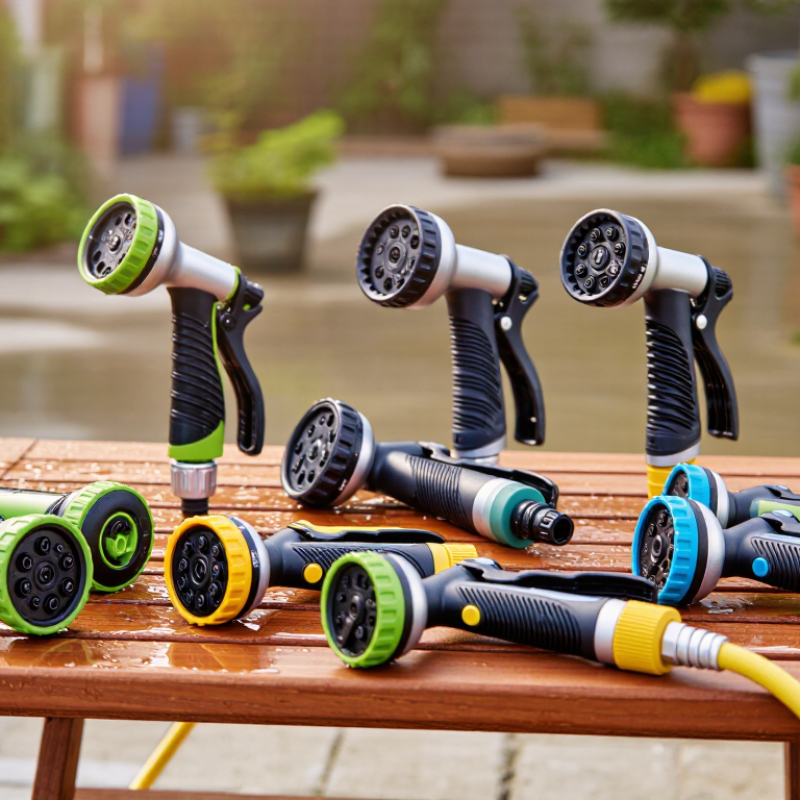
A garden water spray gun is a hand-held attachment that connects to a garden hose. Most models have a handle, trigger, internal valve, and adjustable nozzle. Squeezing the trigger opens the valve, letting water travel through the nozzle. Releasing it usually stops the flow. Twisting the nozzle changes the spray, from a focused stream to a wider fan or gentle shower. The gun does not create water pressure; it shapes the pressure supplied by the hose.
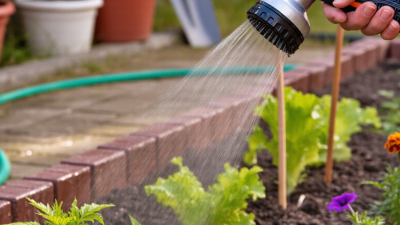
That sounds simple. Spray patterns suit different tasks. A soft shower can water seedlings without washing soil from their roots, while a stronger stream can rinse dirt from garden tools. Use the lightest setting that works, since high pressure may damage leaves or disturb soil. Check the hose connection and washer if water leaks near the handle. A loose or worn seal is easy to overlook. Some triggers also feel stiff after repeated use, so comfort matters as much as the number of spray settings.
Tips: Test the spray on bare soil before aiming at delicate plants. Keep the nozzle a short distance away, and avoid watering during strong midday sun when practical. Turn off the tap after use, then release leftover hose pressure through the trigger.
Common Spray Patterns and Their Gardening Uses
Spray patterns change how water reaches a plant, so matching the setting to the job matters. A shower pattern spreads water gently over seedlings and leafy greens, reducing the chance of flattening tender stems. It also works well for watering containers, where a narrow stream can wash soil over the rim. Keep the nozzle close enough to guide the water, but not so close that the spray pounds one spot. Small details matter.
A mist setting can refresh humidity-loving plants or lightly wet foliage before applying a suitable treatment, though it is not a substitute for watering the roots. A cone pattern covers a wider area, useful for beds with mixed plant heights. Use a jet sparingly for rinsing muddy tools or clearing debris from paving; its force can expose roots or compact bare soil. A flat spray can reach along rows, but may miss plants behind dense leaves. It is easy to overestimate coverage. Check the soil with a finger after watering, and adjust for wind, pressure, and plant size. Spray labels can vary, so test an unfamiliar pattern on a small area first.
Counts show how many example uses are listed for each pattern—not measured performance. Spray patterns and suitable uses can vary by nozzle; use a gentle setting for delicate plants and avoid directing a strong jet at foliage.
Key Features to Compare in 2026 Models
For 2026 models, compare spray patterns, flow control, grip comfort, and leak resistance—not just the number of settings. A gentle shower can water seedlings without flattening them, while a focused jet helps rinse soil from a spade. More settings are not automatically useful. If the selector is stiff or hard to read with wet hands, those extra options may go unused.
Water efficiency deserves attention. The U.S. Environmental Protection Agency’s WaterSense program reports that landscape irrigation uses nearly 9 billion gallons of water daily in the United States, about one-third of residential water use. In dry climates, outdoor use can reach 60 percent of household consumption. A spray gun cannot prevent waste by itself, but a responsive trigger and adjustable flow make it easier to avoid watering paths and patios. Check that the connection fits your hose, the handle stays comfortable during longer tasks, and the nozzle materials feel sturdy. Small details matter. A trigger lock can reduce hand strain, though it may be awkward for quick stop-and-start watering. EPA WaterSense, “Outdoor Water Use in the United States.”
Ten Garden Water Spray Guns to Consider in 2026
Ten Garden Water Spray Guns to Consider in 2026
Choosing a spray gun is less about having every setting and more about matching water flow to the job. The U.S. EPA’s WaterSense guidance on outdoor water use estimates that landscape irrigation accounts for nearly one-third of residential water use in the United States. A poorly aimed spray can also run off beds or blow away in the wind. Small details matter.
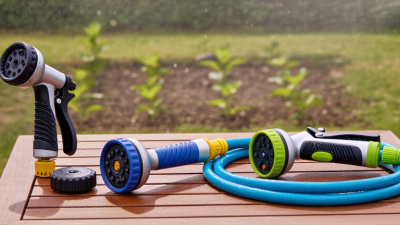
Options include compact-trigger, rear-trigger, thumb-control, and pistol-grip designs. Insulated-grip and metal-bodied versions may suit hot days or frequent use. Multi-pattern, gentle-shower, high-flow, and long-reach guns serve mixed beds, seedlings, cleanup, and hanging baskets. That makes ten useful formats to compare. A strong jet can rinse a muddy pot, but it may flatten young leaves. A soft shower is gentler, though sometimes too slow.
Check how easily the trigger locks, whether the pattern changes without a struggle, and how the grip feels with wet hands. Match flow to the task, and water close to the soil when possible. A spray gun cannot fix poor timing or dry soil beneath a thick mulch layer. I have found that even a comfortable handle can feel tiring during a long watering session. EPA’s figures describe broad household use, not the savings one specific nozzle will deliver.
How to Choose and Maintain a Garden Spray Gun
A good garden spray gun feels balanced when its hose is full and your hand is wet. Check trigger pressure, grip texture, and whether the spray selector turns without forcing it. An adjustable head is useful, but a simple fan or shower pattern often covers ordinary beds. Use a gentle shower for seedlings and a narrower stream for rinsing tools, not delicate leaves. Match the connector to your hose before buying; small fitting differences are easy to miss. Do not judge durability by metal parts alone. A poorly sealed joint can still drip across the path.
After watering, turn off the tap and squeeze the trigger to release pressure. Remove the nozzle and rinse away grit, especially if the spray begins to look uneven. Check the filter washer for sand or plant debris, and clean it gently rather than poking it with a sharp object. Hard-water scale may need a short soak, but check the care instructions before using vinegar. I sometimes overlook the washer because the nozzle seems to be the problem. It is an easy mistake. Store the gun drained and out of freezing temperatures; trapped water can split its housing or damage the seals.