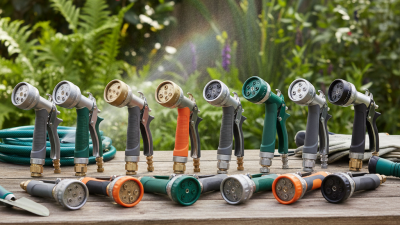
How to Choose the Best Garden Tool Water Gun?
Choosing a Garden Tool Water Gun is less about finding the most powerful spray and more about matching it to your garden. A gentle shower can protect seedlings, while a focused jet may help rinse mud from paving. The right tool should make both jobs manageable without forcing you to wrestle with the hose. Small details matter.
Before comparing models, consider your water pressure, hose connector, and the distance between your tap and garden beds. Check whether the nozzle offers useful settings, such as a soft shower, cone, or direct stream. A broad spray is handy for watering pots, but it can waste water if aimed carelessly. For routine use, a comfortable grip, clear controls, and a leak-resistant connection matter more than flashy extras. Materials also deserve attention: sturdy metal parts may withstand frequent handling, while lighter designs can feel easier during longer watering sessions. Neither choice is perfect for every gardener.
This guide explains how to compare spray patterns, build quality, reach, and ease of maintenance. It also considers how to match a water gun to flowers, vegetables, lawns, and cleaning tasks. Product specifications can help, but they do not always reveal how a trigger feels after ten minutes or whether a connector fits an older hose. That uncertainty is worth remembering. Use the checklist to narrow your options, then weigh your own habits and garden layout before buying. A well-chosen tool should simplify watering, not promise to solve every garden problem.
What a Garden Tool Water Gun Is and How It Works
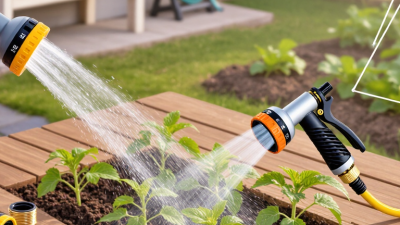
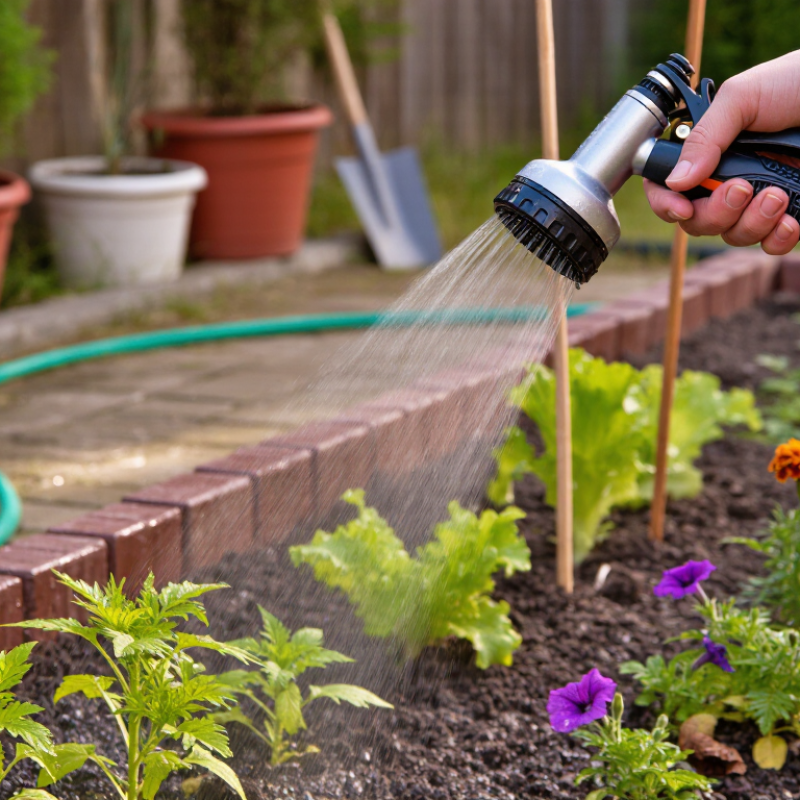
A garden tool water gun is a handheld nozzle that connects to a garden hose. It directs water where it is needed, from a soft shower over seedlings to a narrower stream for rinsing muddy pots. Despite the name, it is a watering tool, not a toy. Most models have a grip, a trigger, and an adjustable nozzle. Squeeze the trigger to open an internal valve; release it to stop the flow. Turning the nozzle changes how the water exits.
The mechanism is simple. The result depends on hose pressure, nozzle design, and how steadily you hold the tool. A broad, gentle spray is usually kinder to delicate leaves and loose soil. A concentrated jet can wash dirt from hard surfaces, but may flatten young plants or scatter potting mix. Try each setting on an empty patch of soil before watering. Check that the hose connection does not drip, and notice whether the trigger feels comfortable during longer tasks. A stiff trigger can tire your hand. Some product descriptions make spray patterns sound more precise than they feel in real use, so a little adjustment is normal. A useful garden tool water gun should offer controlled flow and a grip you can manage with wet hands.
How to Choose the Best Garden Tool Water Gun? - What a Garden Tool Water Gun Is and How It Works
| Nozzle type |
How it works |
Typical spray pattern |
Best suited for |
What to consider |
| Adjustable twist nozzle |
Turning the nozzle changes the opening through which water exits, adjusting the spray from a narrow stream to a broader spray. |
Usually ranges from a concentrated jet to a cone or wider spray. |
General garden watering and light cleaning. |
A simple design is easy to use, but changing patterns may require two-handed adjustment. |
| Pistol-grip nozzle |
A hand trigger opens and closes an internal valve. Many models also have a rear dial or twist head for selecting patterns. |
Varies by model; may include mist, shower, jet, or flat spray settings. |
Users who prefer trigger control for routine watering. |
Check trigger comfort and whether a latch can hold the valve open to reduce hand fatigue. |
| Thumb-control nozzle |
A thumb lever or slider controls the water valve, often allowing flow to be started or stopped without squeezing a trigger. |
Pattern depends on the nozzle head; adjustable models may offer several settings. |
Frequent stop-and-start watering and users who prefer top-mounted controls. |
Control placement and lever resistance affect comfort; inspect the grip before choosing when possible. |
| Multi-pattern dial nozzle |
A rotating selector aligns different outlets or internal passages with the incoming hose water. |
Common options include shower, mist, cone, jet, and flat patterns; available settings vary by model. |
Gardens with a mix of plants, containers, and cleaning tasks. |
More settings add versatility, but the selector should turn easily and lock clearly into position. |
| Fan or flat-spray nozzle |
A shaped outlet spreads water into a relatively wide, flat sheet instead of a round stream. |
Broad, flat spray with coverage concentrated across a band. |
Rinsing surfaces or watering a row of plants from a suitable distance. |
A strong or close-range spray can disturb soil or damage delicate foliage; use a gentle setting where available. |
| Shower-pattern nozzle |
Multiple small outlets divide the incoming flow into many streams, creating a softer, wider watering pattern. |
Broad spray of fine streams, generally gentler than a concentrated jet. |
Watering established garden plants and containers without a narrow stream. |
Small outlets can become blocked by debris or mineral deposits and may need cleaning. |
How a garden hose water gun works: Water from the hose passes through a hand-operated valve and the nozzle’s internal passages. The trigger or lever controls flow, while the nozzle opening or selector shapes the exiting water. A nozzle changes the spray pattern; it does not create extra water pressure. Actual flow and spray reach depend on the water supply, hose, nozzle design, and how far the valve is opened.
Key Features to Compare Before Choosing a Water Gun
How to Choose the Best Garden Tool Water Gun?
Key Features to Compare Before Choosing a Water Gun
A useful garden water gun should match the jobs you actually do, from rinsing muddy pots to watering seedlings. Check the spray settings closely. A gentle shower protects tender leaves, while a stronger jet can clear soil from paving stones. More settings are not always better. Look for controls that switch easily, even with wet hands, and check whether the trigger can be locked for longer tasks.
Pay attention to the connector, hose fit, and body material. A loose connection can drip onto your shoes, so test the fitting before regular use. Plastic models are often lighter, but sturdy metal parts may hold up better around rough storage areas. Weight matters. A heavy tool can tire your wrist, especially when the hose pulls sideways. Grip the handle if possible, and notice whether the trigger feels stiff. It is easy to overlook.
Flow control is another practical feature. A nozzle that adjusts water output can help avoid flooding pots or wasting water on a small bed. Do not judge performance by spray pressure alone; a forceful stream may damage delicate plants. Compare the pattern and control you need, not just the highest setting. If the product details are unclear, that is a reason to pause and check how its fittings and settings work before buying.
How to Match Spray Patterns and Flow to Garden Tasks
A useful garden water gun matches its spray to the plant, not just the hose. A narrow jet can rinse mud from paving, but it may flatten seedlings and wash soil from exposed roots. For young plants and containers, choose a gentle shower or fan setting. Keep the nozzle close enough to limit drift, and water the soil rather than the leaves when practical.
Flow matters as much as pattern. A strong stream can fill a bucket quickly, yet it may run off compacted beds before reaching roots. Use lower flow for delicate plants and slower-draining soil; increase it for established shrubs or quick rinsing. The U.S. EPA’s WaterSense program estimates outdoor water use at nearly 9 billion gallons per day nationwide, mostly for landscape irrigation. That figure makes small adjustments worthwhile, though a nozzle alone cannot correct poor watering habits.
Test it first. Squeeze the trigger over a bare patch and watch where the water lands. If it beads and runs away, soften the spray or pause between passes. If the bed stays dry below the surface, water longer rather than harder. I still find that labels such as “mist” and “shower” vary between tools, so checking the actual spray is more reliable than trusting the setting name.
How to Check Materials, Ergonomics, and Hose Compatibility
A garden water gun should feel dependable before the trigger is pulled. Compare impact-resistant polymer with metal; neither is automatically better. Polymer is lighter, while metal fittings can withstand repeated connection better, though poor plating may corrode. Inspect seams, nozzle joints, and the trigger return for wobble or rough edges. Small defects matter.
Judge ergonomics with the hose attached and water running. Keep your wrist relaxed; the trigger should move without a hard squeeze, and the spray selector should turn with wet fingers. Test it for several minutes, not just in the shop. The EPA WaterSense report Outdoor Water Use in the United States estimates that outdoor use exceeds 30% of household water use on average. That share varies by climate and property. A controllable nozzle may help avoid careless watering. I would still check whether a small trigger suits your hand.
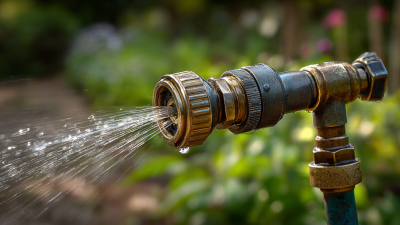
Check the connector before buying. In the United States, garden-hose threads are commonly 3/4-inch GHT; ASME B1.20.7 covers hose-coupling screw threads. Imported fittings and quick-connect systems may differ. Compare the thread type, diameter, and adapter with your hose, then test for leaks at low pressure. Compatibility is easy to overlook. If possible, bring the hose end to the store; photos can hide thread wear.
How to Choose the Best Garden Tool Water Gun
Check materials, ergonomics, and hose compatibility before you buy.
Hose compatibility: Common nominal hose inside diameters are 1/2 in (12.7 mm), 5/8 in (15.875 mm), and 3/4 in (19.05 mm). Actual dimensions can vary, so check the hose and water gun specifications. Also verify the connector thread standard; 3/4-inch garden-hose thread is common in North America, but standards vary by region.
Materials and ergonomics: Inspect the body, fittings, and seals for sturdy construction and visible wear or corrosion. Choose a grip and trigger that feel comfortable and easy to operate.
How to Select and Maintain the Right Water Gun for Your Garden
A useful garden water gun should match the plants, hose, and water pressure you actually have. For pots and seedlings, choose a gentle spray that will not flatten leaves or wash soil from the roots. For paths and larger beds, a broader pattern saves time. Check that the trigger feels comfortable and can be locked during longer watering sessions. Small details matter. A swivel connection can reduce hose twisting, while a replaceable washer may make minor leaks easier to fix. The U.S. EPA WaterSense outdoor-use guidance estimates that outdoor watering accounts for more than 30 percent of household water use on average, with higher shares in dry areas. That makes controllable flow more than a comfort feature.
Before buying, check your hose connection and the tool’s pressure requirements; a strong jet is not automatically better for plants. I learned this the messy way: a narrow setting can scatter potting mix across a patio. After use, release pressure, drain the tool, and store it out of direct sun and freezing conditions. Rinse the inlet screen if grit reduces flow. Inspect the washer and trigger for drips, especially after winter storage. Don’t overtighten fittings; it can damage seals. If a leak continues after cleaning and replacing a worn washer, the tool may need repair or replacement. Watering habits matter too: aim near the soil, and pause when runoff appears.