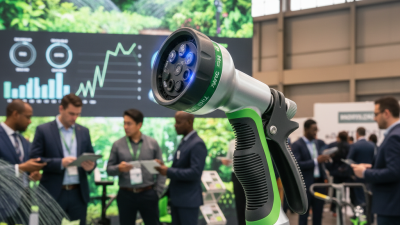
China Top Garden Spray Gun Nozzle How to Choose?
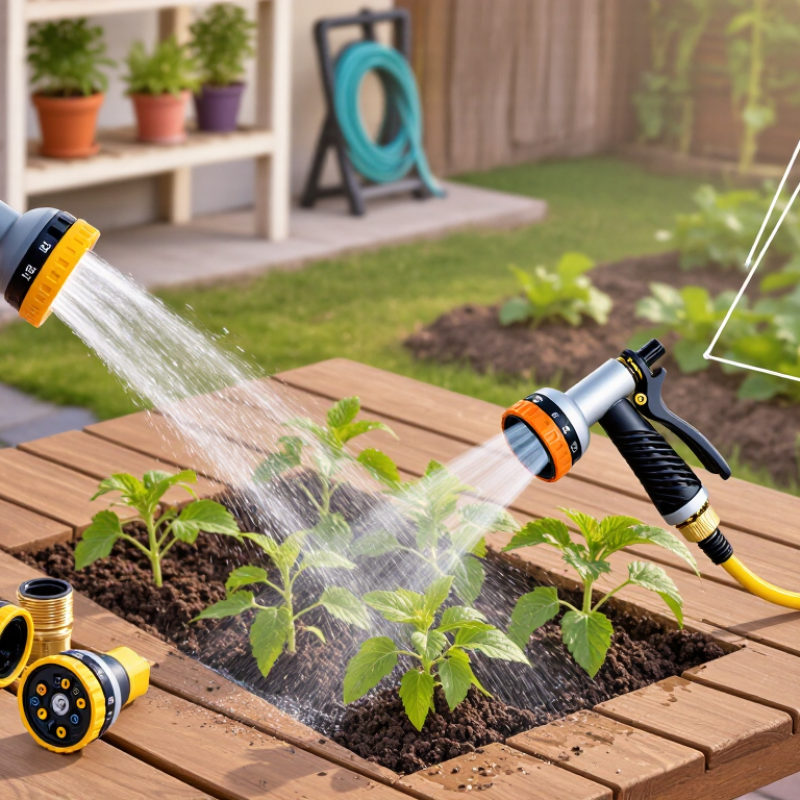
Choosing a China Garden Spray Gun Nozzle requires more than comparing prices and product photos. The right nozzle should match your hose, water pressure, garden size, and daily watering habits. A small balcony may need a gentle mist. A vegetable bed often needs a wider, softer spray. Hard streams can disturb soil and damage young leaves.
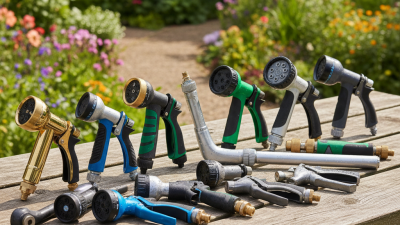
During product checks, examine the nozzle material, handle comfort, connection thread, spray patterns, and flow control. Brass and reinforced plastic can both perform well, depending on design and manufacturing quality. Ask suppliers for clear specifications, sample testing, and photographs of internal components. A reliable manufacturer should explain pressure limits, leakage tests, packaging, and replacement support.
Do not trust appearance alone.
I once assumed a heavier metal nozzle would always last longer. That judgment was too simple. Poor seals can cause leaks, even when the body feels solid. A practical test should include several minutes of continuous spraying, switching between mist, cone, and jet settings. Check whether the trigger remains smooth and whether the connection stays dry.
For buyers, communication also matters. Confirm thread standards, carton quantities, shipping terms, and inspection arrangements before placing an order. Product quality may vary between factories, so supplier experience deserves careful review. Look for consistent technical documents, responsive answers, and realistic performance claims. No Garden Spray Gun Nozzle is perfect for every task. The best choice balances comfort, durability, water control, and dependable after-sales service. This guide will help you compare options more carefully and avoid costly assumptions.
Define Use Cases: Watering, Cleaning, or Chemical Application
China Top Garden Spray Gun Nozzle How to Choose?
Define the job before choosing the nozzle. For watering beds, select an adjustable fan or gentle shower pattern. It should spread water without flattening seedlings or washing soil away. The FAO AQUASTAT database reports that agriculture uses about 70% of global freshwater withdrawals. Small control improvements matter, even in a home garden. A trigger lock can reduce hand fatigue, but it may encourage careless overwatering. That detail is easy to miss.
Cleaning requires stronger flow and a narrower spray pattern. A short metal nozzle can remove mud from tools, pots, and paved surfaces. However, excessive pressure may damage soft wood, plant stems, or painted furniture. The U.S. Environmental Protection Agency estimates household leaks waste nearly 10,000 gallons of water yearly. Check the connection and shutoff seal before blaming the nozzle. I have found that simple leaks often waste more water than poor spray design.
Chemical application needs separate attention. Choose a nozzle made from materials compatible with the intended, legally approved product. Follow the product label, dilution instructions, protective equipment guidance, and local rules. Never reuse a chemical nozzle for drinking-water tasks. A calibrated, low-drift pattern is safer than a powerful mist. The best choice is not always the most expensive one. Test it with clean water first, then inspect coverage on a small area. Perfect coverage is difficult. Record what worked, and reconsider the setting after wind, temperature, or plant growth changes.
Select Spray Patterns and Droplet Sizes for Each Garden Task
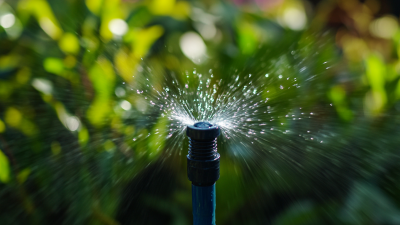
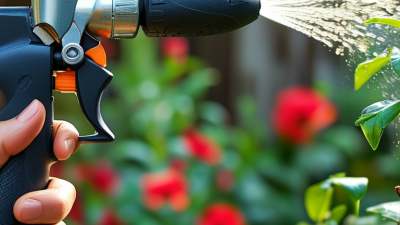
Choosing a garden spray gun nozzle starts with the task, not pressure. For soaking seedbeds or watering tender seedlings, use a shower pattern with medium to coarse droplets. It reduces splash and protects loose soil. A narrow jet suits pots, gutters, and hard-to-reach roots, but it can disturb compost quickly. For leaf cleaning, choose a softer fan pattern. Keep the nozzle close to the target.
Droplet size matters when applying permitted foliar nutrients or garden treatments. ASABE S572.1 classifies droplets by volume median diameter, from very fine below 100 micrometres to ultra-coarse above 500 micrometres. Fine droplets cover leaves well, yet they dry quickly and drift more easily. Coarse droplets travel with less drift, but coverage may become uneven. The FAO Guidelines on Good Practice for Ground Application of Pesticides also connect larger droplets with reduced drift and weaker surface coverage. A medium pattern often balances both needs.
I once selected a fine mist for every plant. That was a mistake. The leaves looked wet, but much of the spray missed the target. Now, I test the pattern on cardboard first. A steady fan should show an even band, not heavy stripes. Wind changes everything. Even a careful setting may fail outdoors. Use the lowest practical pressure, follow the product label, and recheck droplet behavior after changing distance or angle.
China Top Garden Spray Gun Nozzle: How to Choose?
Select the spray pattern and droplet size that best match each garden task.
Seedling mist
Fine droplets for gentle surface moistening.
Flower-bed shower
Soft, medium droplets for broad watering.
Leaf spraying
Fine droplets for even foliage coverage.
Vegetable rows
Medium-to-coarse droplets reduce drift.
Root-zone soaking
Larger droplets deliver water with less evaporation.
Hard-surface cleaning
Coarse streams provide stronger impact.
Droplet diameters are practical approximate values in micrometres (µm). Smaller droplets improve coverage but are more vulnerable to wind and evaporation, while larger droplets provide better penetration and reduced drift. Actual results vary with nozzle design, water pressure, spray distance, and weather conditions.
Compare Brass, ABS, and Stainless Steel Durability and Ergonomics
China Top Garden Spray Gun Nozzle: How to Choose?
Brass, ABS, and stainless steel each create a different balance of durability and comfort. Brass feels solid and resists impact during repeated garden work. However, it is heavier, and a wet handle can become tiring after several minutes. ABS is lighter and usually easier to control with one hand. Its weakness is surface cracking after strong impacts, freezing, or prolonged sunlight. Stainless steel offers strong corrosion resistance and a clean, firm feel. It can still develop dents or uncomfortable cold surfaces in winter.
Ergonomics matters as much as material. Choose a broad trigger with a textured grip and smooth spray adjustment. A narrow lever may force the index finger into one position. That small pressure becomes noticeable during long watering sessions. The U.S. EPA WaterSense program reports that American households use more than 9 billion gallons outdoors daily. It also estimates that up to 50% may be wasted through evaporation, runoff, or overwatering. A nozzle with stable flow can reduce careless overspray, although nozzle design alone cannot prevent waste.
For corrosion comparison, ASTM B117 salt-spray testing can reveal weaknesses, but it does not predict exact garden life. That limitation matters. My practical preference is stainless steel for coastal or humid areas, ABS for lightweight handling, and brass for impact-heavy use. Material choice is not perfect. Check the trigger return, thread fit, and grip texture before judging the finish.
Verify 1/2-Inch Connections, Leak Tests, and ISO 9001 Quality Systems
China Top Garden Spray Gun Nozzle: How to Choose?
A reliable nozzle should match a standard 1/2-inch connection. Measure the thread, not only the outside diameter. Some fittings look compatible but bind after two turns. I once trusted a visual match and found a slow leak under pressure. That mistake was avoidable. Check whether the connection uses compatible thread standards, then tighten it by hand before using a wrench. Over-tightening can damage plastic threads and distort the sealing washer.
Leak testing should happen before outdoor installation. Connect the nozzle to a hose, open the water slowly, and inspect the joint for at least one minute. Dry tissue wrapped around the fitting can reveal tiny leaks. Test the spray pattern too. Uneven streams may indicate blocked passages, poor molding, or an imperfect seal. Clean water is better for testing. It removes confusion caused by sediment.
An ISO 9001 quality system shows that a factory controls documented processes, inspections, corrective actions, and supplier management. It does not automatically prove that every nozzle is excellent. Ask for current certification details and product inspection records. Check thread gauges, pressure-test methods, material controls, and batch traceability. A trustworthy supplier should explain rejection criteria clearly. Sometimes the paperwork looks complete, yet field feedback exposes weak washers. That is why sample testing still matters. Choose measured performance over attractive claims.