Leave Your Message

What Are the Best Garden Tool Water Gun Types in 2026?

Choosing the right Garden Tool Water Gun in 2026 is less about chasing the highest pressure and more about matching the spray to the job. A gentle shower can settle seeds without exposing them. A focused jet can rinse mud from a path, but may disturb loose soil or bruise tender leaves. Between those extremes, adjustable nozzles, pistol-grip sprayers, and extended watering wands each solve different problems. Small differences matter.

The U.S. Environmental Protection Agency’s WaterSense program estimates that outdoor water use accounts for about 30% of household water use nationwide, with higher shares in dry regions. Its report, “Outdoor Water Use in the United States,” also estimates nearly 9 billion gallons are used outdoors each day. These figures cover more than garden guns, so they cannot prove one nozzle saves water. They do show why control, leakage, and spray pattern deserve attention. A dripping connector is easy to overlook.

This guide compares common types by handling, coverage, durability, and suitability for real garden tasks. We’ll consider whether a metal nozzle feels dependable, whether a thumb control is comfortable during longer watering, and whether a wand reaches beneath dense leaves. Product claims can be optimistic; practical fit is not always obvious from a label. The best choice depends on your plants, water pressure, and grip, not a single “best” feature.
What Are the Best Garden Tool Water Gun Types in 2026?

What Is a Garden Water Gun and How Does It Work?

A garden water gun is a hose-end nozzle that controls how water leaves the hose. When you squeeze its trigger, an internal valve opens and water flows through the nozzle. Releasing the trigger closes the valve. A rotating head or adjustable tip can change the spray from a narrow jet to a broad shower. The exact patterns depend on the nozzle design and your home’s water pressure.

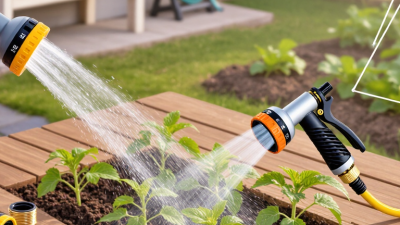
For watering seedlings, a gentle shower helps reduce soil disturbance. A stronger, narrower stream can rinse mud from tools or reach a distant planter, but it may splash soil onto leaves. Garden water guns do not create pressure on their own; they shape the flow supplied by the hose. If the spray seems weak, check for a kink, a loose connection, or a partly closed tap. Small details matter.

Tips: Start with a soft setting near young plants. Keep the nozzle moving, and water the soil rather than delicate flowers. Check for leaks around the connector before use. A trigger can feel convenient, though prolonged squeezing may tire your hand. I still find that choosing a setting by habit sometimes wastes water, so pause and watch where the spray lands.
What Types of Garden Water Guns Are Available in 2026?

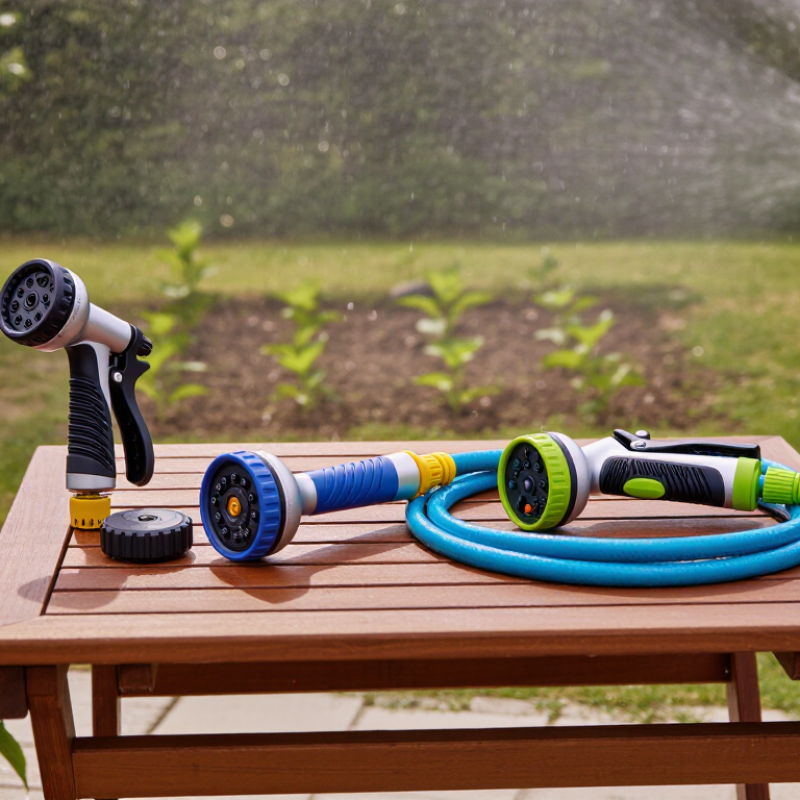
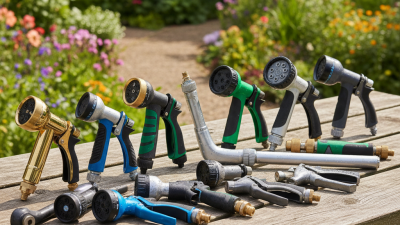
Garden water guns in 2026 generally fall into several practical types. Trigger-style pistol nozzles offer quick control for pots, paths, and small beds. Multi-pattern models switch between a narrow jet, flat spray, and gentle shower. Wand-style sprayers reach hanging baskets and dense planting without forcing gardeners to bend. Rotary or oscillating heads cover broader areas, while adjustable fan nozzles suit rows of seedlings. Each pattern has a trade-off. A hard jet can disturb soil; a soft shower may not reach far.

Water use matters as much as spray choice. The U.S. Environmental Protection Agency reports that outdoor use averages about 30% of household water use and can reach 60% in dry regions. That makes a shutoff trigger and a controllable spray useful features, especially during hand watering. For delicate leaves, choose a fine shower; for rinsing tools, use a stronger stream. Check that the grip stays comfortable when wet and that the nozzle changes patterns without leaking. Still, product labels can exaggerate “water-saving” benefits. Real savings depend on how long the water runs and where it lands. Quite easy to overlook.

What Are the Best Garden Tool Water Gun Types in 2026? — Available Types and Uses
Type How It Works Common Spray Options Best Suited For Main Advantages Things to Consider
Basic pistol-grip hose nozzle A hand trigger opens and closes the water flow; many models include a simple flow-control screw. Usually one adjustable spray, from a narrow stream to a broader spray. General watering, rinsing garden tools, and occasional outdoor cleanup. Simple to operate and commonly compatible with standard garden hoses. Some models require continuous trigger pressure and may offer limited spray choices.
Multi-pattern hose nozzle A selector lets the user switch between several spray patterns. Often includes shower, mist, flat, cone, jet, and center patterns; the exact selection varies by model. Households that need one nozzle for plants, containers, patios, and general rinsing. Offers more versatility without changing attachments. Pattern names and performance differ between designs; check that the selected patterns match the intended tasks.
Rotary or dial-pattern nozzle A rotating head or dial selects a built-in spray pattern. Commonly provides several fixed patterns, such as shower, mist, flat, and jet. Users who frequently switch between gentle watering and stronger rinsing. Pattern selection is quick and easy to see. Moving parts can collect grit or wear; rinse and store the nozzle properly.
Fireman-style high-flow nozzle A larger barrel-style body controls a relatively high-volume stream, often with a twist adjustment. Typically changes from a concentrated stream to a broader spray. Filling buckets, rinsing hard outdoor surfaces, and watering larger areas where a higher flow is useful. Designed for straightforward flow adjustment and substantial water delivery. May use more water than a gentle plant-watering spray; it is not a substitute for a pressure washer.
Watering wand with nozzle A long tube extends the reach between the hose connection and the spray head. Often provides a shower-style spray; some designs have adjustable patterns or a flow-control handle. Watering hanging baskets, raised beds, and plants that are difficult to reach. Helps direct water to plants while reducing the need to bend or reach over foliage. Longer wands can be less convenient to store and may feel heavier when full of water.
Thumb-control or squeeze-control nozzle A thumb lever or squeeze handle controls water flow, sometimes with a lock for continuous watering. Usually paired with an adjustable spray head or a small selection of patterns. Frequent watering where convenient on/off control is important. Can make water control easier without repeatedly reaching for a separate hose tap. Comfort depends on hand size, lever position, and how smoothly the control operates.
Fan-spray nozzle Shapes the water into a broad, relatively flat sheet rather than a narrow jet. Wide fan spray, with the spread varying by nozzle design and water supply. Gentle, even watering across garden beds and rinsing broad surfaces. Covers a wider area than a concentrated stream. Wind can carry the spray away from its target; avoid using a forceful setting on delicate seedlings.
Jet or adjustable-stream nozzle Narrows or adjusts the water outlet to produce a more concentrated stream. Narrow jet or stream, sometimes adjustable to a broader spray. Rinsing mud from sturdy tools and reaching specific spots at a distance. Directs water precisely for targeted rinsing. Concentrated water can disturb soil or damage delicate leaves; use a gentler pattern for fragile plants.

Selection note: Spray pattern, flow, and reach depend on the nozzle design, hose, and available water supply. For delicate plants, choose a gentle shower or mist; use a concentrated stream mainly for suitable cleaning tasks.

How Do Water Gun Types Differ in Pressure, Range, and Spray?

In 2026, garden water guns differ less by advertised “power” than by nozzle shape and the pressure reaching them. A focused jet concentrates flow into a narrow stream, helping rinse mud from paving stones or reach farther across a lawn. A fan spray spreads water over a wider area, but usually loses distance. Shower settings deliver softer droplets for seedlings and pots. Actual reach varies with hose pressure, nozzle opening, and wind; a jet can still feel weak at the far end of a long hose.

EPA WaterSense guidance estimates that outdoor use accounts for about 30% of household water use in the United States, with nearly half of outdoor water potentially wasted through evaporation, wind, or runoff. That makes spray control practical, not just convenient. Choose a gentler shower or fan for soil, and reserve a concentrated stream for hard surfaces. The trade-off is real: a narrow jet may disturb bare soil, while a broad spray may miss distant spots.

Tips: Test the nozzle on a small patch first. Watch where the droplets land, not just how far the stream travels. For pots, keep the spray close and gentle. I still find adjustable heads a little fiddly; the setting can shift when wet, so check it before watering.

Which Garden Tasks Suit Each Type of Water Gun?

A pistol-grip nozzle suits quick jobs near the tap, such as rinsing muddy hand tools or washing soil from a patio path. Its trigger is easy to control, though a tight jet can disturb loose potting mix. Keep the stream gentle around young plants. Good for short tasks.

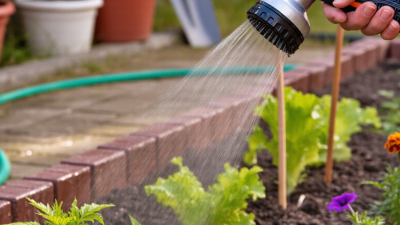
A shower or soft-spray setting works better for seedlings, leafy vegetables, and newly planted flowers. It spreads water across the soil without striking one small spot too hard. A watering wand can reach hanging baskets and beds behind a low border, reducing the need to step on damp soil. Check that water reaches the roots, not just the leaves.

Fan-shaped sprays are useful for broad, low beds and rinsing dust from sturdy foliage. A narrow jet can clear dirt from paving cracks or reach a distant container, but it is rarely kind to delicate plants. Adjustable nozzles are practical when one hose serves several jobs. Still, changing settings takes attention, and the printed pattern may not match the spray in your hand. Test it on bare soil before watering fragile growth.

What Factors Matter When Choosing a Garden Water Gun?

What Are the Best Garden Tool Water Gun Types in 2026?

What Factors Matter When Choosing a Garden Water Gun?

Choose the spray pattern for the job. A gentle shower suits seedlings and containers, while a focused stream can rinse muddy paths. Adjustable nozzles are versatile, but their labels can be vague. Spray patterns also change with water pressure. Small details matter.

Check the flow control, grip, and hose connection before buying. A thumb-operated shutoff can reduce wasted water during pauses. The U.S. Environmental Protection Agency’s WaterSense program estimates outdoor use makes up about 30% of household water use; inefficient irrigation can waste nearly half. A comfortable handle matters during longer watering sessions, especially with a full hose pulling behind you. Look for sturdy construction and seals that are easy to inspect. Test it first.

Tips: Try the nozzle at your home’s usual pressure. Use a soft setting on leaves, then check the soil rather than watering by habit. A spray that looks gentle may still disturb loose potting mix.

What Are the Best Garden Water Gun Types in 2026?

Key Factors to Consider When Choosing a Garden Water Gun

The ratings are an editorial guide, not laboratory test results. Prioritize spray-pattern control for general watering, reach for beds and hanging baskets, and comfortable handling for longer sessions. Adjustable-nozzle, multi-pattern, pistol-grip, and wand-style sprayers suit different tasks; check hose compatibility and care requirements before buying.