Leave Your Message
Choosing the best Automatic Sprinkler system begins with understanding the building, not browsing product catalogs. A small home, warehouse, hotel, and factory face very different fire risks. Room size, ceiling height, stored materials, water pressure, pipe condition, and local climate all influence the design. A qualified fire protection engineer should inspect these details before recommending equipment. NFPA fire protection expert Robert Solomon emphasizes, “A sprinkler system is only as reliable as its design, installation, and maintenance.” That principle deserves attention.
Look closely at sprinkler type, response temperature, coverage area, alarm integration, and maintenance access. Wet-pipe systems suit many heated buildings. Dry-pipe systems may serve unheated spaces, where freezing is possible. Pre-action systems can protect sensitive rooms, but they require more controls and testing. Water mist systems may fit selected applications, though they are not a universal solution. Small details matter. A blocked sprinkler can leave a dangerous shadow beneath it. Poor water flow can quietly reduce protection. Corrosion may remain hidden inside an aging pipe.
Cost matters, but the cheapest option may create expensive weaknesses later. No choice is perfect. Even a well-designed system can fail through neglect, renovation, or incorrect storage practices. That is an uncomfortable point, but it is practical. The right Automatic Sprinkler system balances verified performance, professional installation, routine inspections, and long-term service support. Before deciding, compare documented testing records, installer qualifications, warranty terms, and replacement availability. A reliable system should protect people first, property second, and budgets without sacrificing either.
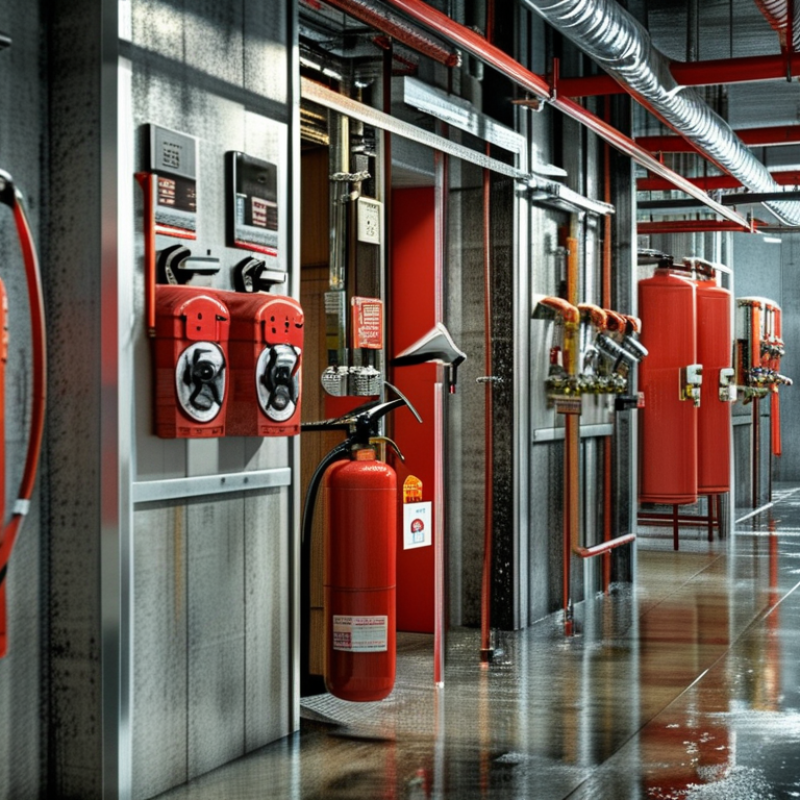
Choosing the best automatic sprinkler system starts with identifying the sprinkler type, not comparing equipment prices.
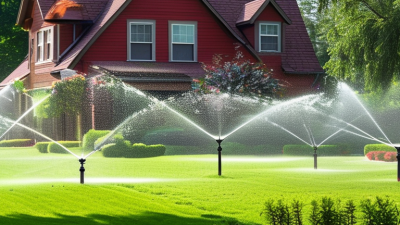
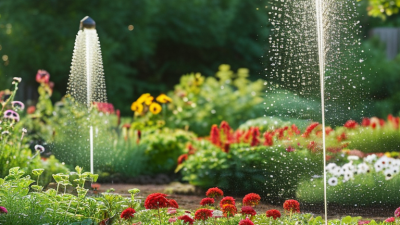
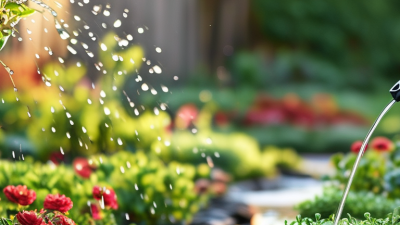
For gardens and lawns, fixed spray heads suit small, regular areas with nearby planting beds. Rotary heads cover larger zones and reduce overlapping spray. Drip systems deliver water slowly beside roots, making them useful for hedges, raised beds, and dry climates. EPA WaterSense reports that outdoor irrigation can represent nearly 30% of household water use, while inefficient watering may waste about half of that volume. A rain sensor and weather-based controller can prevent watering after a storm. Small details matter. Check the soil first.
Fire protection uses different automatic sprinkler types. Wet-pipe systems hold pressurized water in the pipes and respond quickly in heated rooms. Dry-pipe systems use pressurized air, so they fit unheated spaces where freezing is possible. Preaction systems require an additional detection signal before filling the pipes, reducing accidental discharge risks in sensitive areas. NFPA’s U.S. Experience with Sprinklers report found that sprinklers operated in about 92% of reported structure fires large enough to activate them. When they operated, they were effective in roughly 97% of cases. These figures are strong, but installation quality still decides performance. A poorly placed head can leave a dry corner. I would not select a system from coverage charts alone; water pressure, pipe sizing, maintenance access, and local climate deserve an on-site check.
| Sprinkler Type | Typical Coverage | Typical Operating Pressure | Typical Flow Rate | Best Applications | Main Advantages | Important Limitations |
|---|---|---|---|---|---|---|
| Fixed-Spray Pop-Up | Approximately 2–5 m radius | About 2.1–3.5 bar | Approximately 4–15 L/min per nozzle | Small lawns, narrow strips, flower beds, and compact planting areas | Simple layout, good edge control, and uniform coverage over small areas | Higher application rate can cause runoff on clay or compacted soil; wind can distort the spray |
| Rotary Spray | Approximately 4–8 m radius | About 2.1–3.5 bar | Approximately 2–8 L/min per nozzle | Small to medium lawns where water efficiency is important | Lower flow and slower application reduce runoff compared with conventional fixed sprays | Requires adequate pressure and longer run times; coverage can be uneven if spacing is poor |
| Gear-Drive Rotor | Approximately 7–15 m radius | About 2.8–4.8 bar | Approximately 7–38 L/min per head | Medium to large lawns, open landscapes, and sports turf | Long throw, adjustable arcs, and relatively low precipitation rate | Needs sufficient pressure and spacing; unsuitable for very narrow areas |
| Impact Sprinkler | Approximately 8–20 m radius | About 2.8–5.5 bar | Approximately 10–60 L/min per head | Large open lawns, agricultural areas, and locations with dirty water | Long coverage range, durable mechanism, and good tolerance of suspended particles | More visible and noisier than pop-up heads; exposed moving parts may be affected by damage |
| Rotating Stream Nozzle | Approximately 4–8 m radius | About 2.1–3.5 bar | Approximately 1.5–8 L/min per nozzle | Small and medium residential lawns with sloped or compacted soil | Low precipitation rate helps limit puddling and runoff; suitable for retrofit installations | Longer watering cycles are required; debris can affect the small rotating streams |
| Bubbler | Localized area of approximately 0.3–1 m diameter | About 1.0–2.8 bar | Approximately 1.9–8 L/min per outlet | Trees, shrubs, planter boxes, and individual deep-rooted plants | Delivers water directly near the root zone and is easy to adjust | Not intended for turf; exposed soil may erode if the flow is too high |
| Drip Irrigation Emitter | Point-source wetting, commonly 0.5–2 L per hour per emitter | Usually regulated to about 0.7–1.7 bar | Approximately 0.5–8 L/h per emitter | Vegetable gardens, hedges, containers, and densely planted beds | Very low evaporation and runoff when correctly designed; water is applied close to plant roots | Filters and pressure regulation are essential; tubing and emitters require periodic inspection |
| Micro-Spray | Approximately 0.5–3 m radius | About 1.0–2.8 bar | Approximately 20–120 L/h per device | Ground cover, flower beds, nurseries, and closely spaced plants | Provides broader coverage than point emitters and can be customized for delicate plants | More vulnerable to wind and evaporation than drip emitters; not ideal for turf |