Top 10 Benefits of Using an Abs Garden Sprinkler for Your Garden?
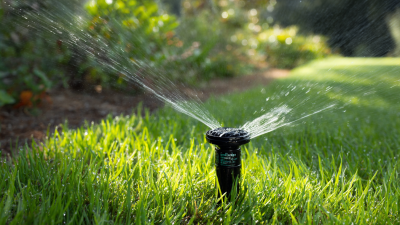
Maintaining a lush garden can be challenging. Many gardeners struggle with proper watering techniques. The right tools can make a significant difference. One such tool is the Abs Garden Sprinkler. This sprinkler offers numerous advantages that can enhance your gardening experience.
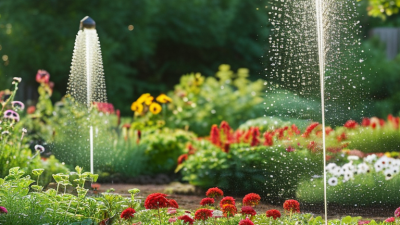
The Abs Garden Sprinkler is not just durable; it’s designed for efficiency. It disperses water evenly across your garden. This feature helps ensure that every plant receives adequate moisture. Over-watering and under-watering become less of a concern. Many users report significant improvements in their plants’ health.
Additionally, the Abs Garden Sprinkler is easy to install and adjust. This flexibility means you can tailor your watering needs based on plant types. However, it’s important to regularly check for clogs and leaks. Neglecting maintenance can lead to wasted water and diminished effectiveness. These aspects are often overlooked, but they are crucial for optimal function. By using the Abs Garden Sprinkler, gardeners can feel confident in their watering strategy.
Benefits of Efficient Watering: How Abs Garden Sprinklers Save Resources
Using an ABS garden sprinkler can significantly enhance the efficiency of watering your garden. These sprinklers distribute water evenly, ensuring that all plants receive adequate moisture. This efficiency means less water waste, making your gardening practices more sustainable. With precise watering, plants develop deeper root systems, promoting better growth and health.
Moreover, ABS garden sprinklers are designed for durability. They withstand various weather conditions, reducing the need for frequent replacements. This longevity contributes to resource conservation. When a sprinkler lasts longer, fewer materials are used over time, which is beneficial for the environment.
It’s important to reflect on the initial setup of these systems. If installation isn’t done correctly, water may pool in areas, leading to waste. Monitoring your system can help you identify any inefficiencies. Being proactive with adjustments can enhance water use and maximize the benefits of your garden sprinklers.
Enhancing Plant Health: Optimal Water Distribution and Soil Moisture Levels
In gardening, ensuring optimal plant health is crucial. One effective way to achieve this is by using an ABS garden sprinkler. Research indicates that uniform water distribution can enhance growth by up to 25%. A well-designed sprinkler system maintains consistent soil moisture. This reduces the risk of over- or under-watering.
Soil moisture levels directly affect plant health. According to the American Society of Agronomy, plants absorb nutrients better when moisture levels are stable. This stability promotes healthier root systems. Additionally, proper watering decreases the chances of plant diseases caused by damp conditions. Striking the right balance remains a challenge for many gardeners. Adjusting sprinkler settings may be necessary to suit specific plant needs.
While using an ABS sprinkler, some gardeners face issues with coverage. Not all areas in a garden receive equal water. This inconsistency can lead to patches of stressed plants. Regularly checking the system is essential for optimal performance. Tracking moisture levels helps in fine-tuning the process. Embracing these innovative irrigation systems can undeniably contribute positively to garden health.
Time-Saving Features: Automated Irrigation for Busy Gardeners
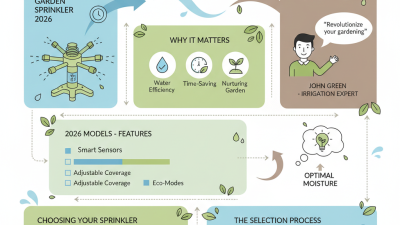
In today’s fast-paced world, busy gardeners need efficient solutions. An automatic garden sprinkler fulfills this need perfectly. With the ability to schedule watering times, it saves gardeners from the tedious task of manual irrigation. Research shows that automated systems can reduce water consumption by up to 50%, ensuring plants receive the moisture they need without waste.
Moreover, modern sprinklers often come equipped with smart technology. These devices can adjust based on weather conditions. For example, if it rains, the sprinkler can pause its schedule. According to a report by the Irrigation Association, using smart irrigation can lead to a 30% improvement in water efficiency. This real-time adaptability ensures gardens thrive while conserving vital resources.
Despite these advantages, some users may experience challenges. Setting up automatic systems can be daunting for beginners. Incorrect programming can lead to overwatering or underwatering, both harmful to plants. Understanding and monitoring the system is crucial for success. An initial learning curve may hinder some gardeners, but the long-term benefits and time savings are worth the effort. With patience and practice, these technologies can transform garden management.
Top 10 Benefits of Using an Abs Garden Sprinkler for Your Garden
| Benefit |
Description |
Time Saved (Hours/Week) |
| Automated Watering |
Eliminates the need for manual watering, ensuring consistent moisture. |
5 |
| Water Conservation |
Targets specific areas, reducing wastage of water. |
2 |
| Easy Setup |
User-friendly installation without professional help. |
1 |
| Customizable Settings |
Allows scheduling and adjusting based on plant needs. |
1 |
| Reduced Labor |
Minimizes the physical effort required for garden maintenance. |
3 |
| Healthier Plants |
Ensures appropriate watering, reducing plant stress. |
1 |
| Remote Control |
Management from a smartphone or device for convenience. |
2 |
| Enhanced Coverage |
Sprinklers can reach areas difficult to water manually. |
1 |
| Seasonal Adjustments |
Easily change settings with seasonal changes for optimal care. |
0.5 |
| Cost Efficiency |
Saves on water bills by using water more efficiently. |
1.5 |
Environmental Impact: Reducing Water Waste with Targeted Sprinkler Systems
Sprinkler systems can significantly impact water conservation in gardening. Traditional irrigation methods often lead to substantial water waste. Studies indicate that inefficient watering techniques waste as much as 50% of water resources. Targeted sprinkler systems address this issue by precisely delivering water where it is needed most. Data from the Water Research Foundation shows that optimized sprinkler usage can reduce water consumption by up to 30%. This efficiency is vital as global drought conditions continue to worsen.
Additionally, using an abs garden sprinkler reduces the carbon footprint associated with over-watering. Over-irrigation not only depletes water supplies but also fosters unhealthy soil conditions. Excessive water can lead to nutrient leaching and create a breeding ground for pests in your garden. The results from surveys in horticulture demonstrate that gardeners employing targeted sprinkler systems report healthier plants and better crop yields. This approach cultivates a responsible gardening practice that is both environmentally friendly and sustainable.
Moreover, adjusting the settings on your sprinkler system is essential. Many users fail to recognize that seasonal changes require water adjustments. Using moisture sensors can aid in determining the right amount of watering. According to the College of Agriculture at Purdue University, employing such technology can lead to significant water savings. Ironically, even as awareness of water conservation grows, many still utilize outdated methods, highlighting a need for ongoing education in gardening best practices.
Top 10 Benefits of Using an Abs Garden Sprinkler for Your Garden
Cost-Effectiveness: Long-Term Savings on Water Bills with Efficient Sprinklers
Using an abs garden sprinkler can significantly impact your garden while saving you money. These devices are designed for efficiency, ensuring that water is delivered directly to your plants. This targeted approach reduces water waste and optimizes the hydration process. Over time, these efficiencies contribute to lower water bills, making them a wise investment.
Many homeowners overlook the long-term savings associated with high-efficiency sprinklers. Traditional methods often lead to overwatering or inconsistent coverage. Abs sprinklers minimize these issues by using technology that directs water exactly where needed. This method not only saves money but also promotes healthier plant growth. Investing in these systems means paying less on monthly bills while contributing to environmental conservation.
Collecting feedback from users shows that satisfaction levels rise with the shift towards more efficient watering methods. While initial costs may seem high, the reduction in water expenses becomes apparent over time. Reflecting on efficiency can lead to better gardening practices. It encourages a focus on sustainability and cost-effectiveness that benefits both the gardener and the environment.