Leave Your Message

Why Choose Professional Lawn Irrigation Equipment?

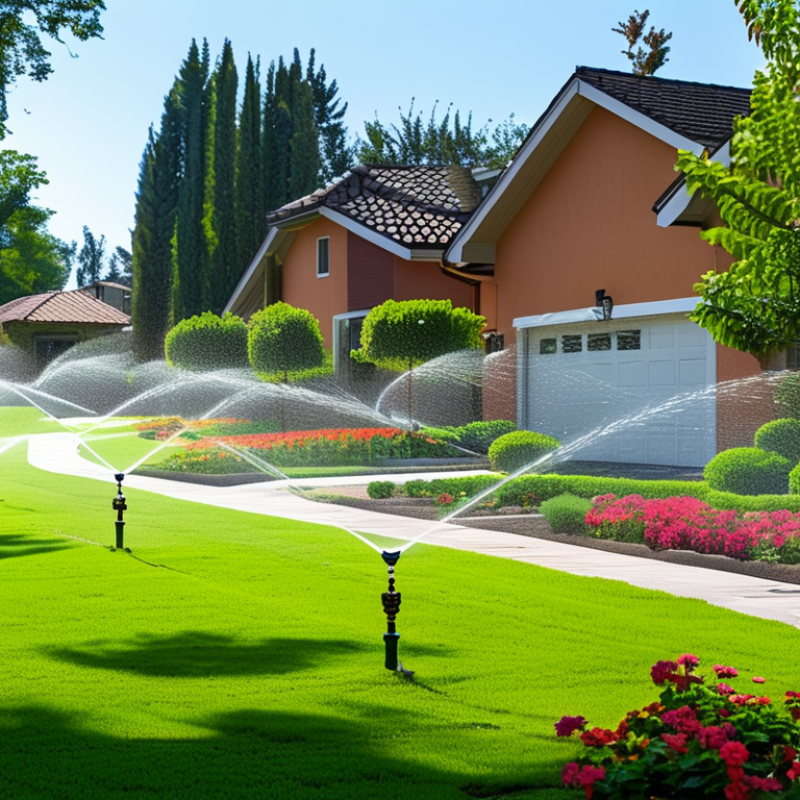
Choosing the right Lawn Irrigation Equipment can change how a landscape looks, grows, and uses water. Professional systems deliver measured coverage instead of uneven spraying. They also support healthier roots, fewer dry patches, and more consistent maintenance. The difference becomes visible on a hot afternoon, when poorly watered grass turns dull while protected areas stay green.

Experienced irrigation contractors assess soil type, slope, sun exposure, and water pressure before recommending equipment. They may combine rotors, spray heads, drip lines, smart controllers, and pressure regulators. Each component has a specific role. A qualified professional also checks manufacturer specifications and local water requirements. This approach reduces guesswork and helps prevent runoff near driveways, sidewalks, and planting beds.

No system is flawless.

Even high-quality equipment needs seasonal inspections, nozzle cleaning, and controller adjustments. A blocked filter can quietly weaken coverage. A misplaced sprinkler head can waste water for months. These small issues are easy to overlook, including by experienced teams. That is why reliable installers document zones, test distribution, and explain maintenance clearly. Homeowners gain more than convenient watering; they gain practical guidance from people accountable for the installation. Professional Lawn Irrigation Equipment may cost more initially, but durable components and accurate design can reduce repairs, plant stress, and unnecessary water use over time. The best choice is not always the most expensive system. It is the system that fits the landscape, performs consistently, and can be improved when conditions change.

Why Choose Professional Lawn Irrigation Equipment?

What Defines Professional Lawn Irrigation Equipment?

Why Choose Professional Lawn Irrigation Equipment?

What Defines Professional Lawn Irrigation Equipment?

Professional lawn irrigation equipment is defined by control, consistency, and measurable performance. It is not simply a stronger pump or a higher price tag. A professional system uses matched sprinklers, pressure regulation, reliable valves, filtration, and accurate flow monitoring. Each zone should apply water evenly, avoiding dry patches beside flooded soil.

Field experience shows that small pressure changes can distort spray patterns. A lawn may look green, yet its roots receive uneven moisture. The U.S. Environmental Protection Agency’s WaterSense research estimates that inefficient landscape irrigation can waste up to 50% of applied water. Weather-based controllers, rain sensors, and adjustable scheduling help reduce this waste. Still, sensors can fail. Regular inspection remains essential.

Professional design also considers local soil, slope, wind, and plant needs. The FAO AQUASTAT database reports that agriculture uses about 70% of global freshwater withdrawals. Lawn irrigation is smaller, but efficiency still matters in dry regions. A professional installer checks distribution uniformity, operating pressure, and seasonal demand before selecting equipment. I still find that perfect schedules are unrealistic. Weather changes quickly. Good systems allow practical adjustments, not blind automation. They also include accessible filters, labeled valves, and serviceable components, making faults easier to locate and correct.

How Professional Systems Improve Water Efficiency

Why Choose Professional Lawn Irrigation Equipment?

How Professional Systems Improve Water Efficiency

Professional lawn irrigation equipment delivers water according to soil, plant, and weather conditions. It does not simply spray everything for the same number of minutes.

During field inspections, I often find dry patches beside oversaturated areas. This usually comes from poor nozzle spacing, uneven pressure, or blocked sprinkler heads. A professionally designed system corrects these problems through separate watering zones, pressure regulation, and accurate head placement.

Small details matter.

Weather-based controllers can reduce watering after rainfall. Soil moisture sensors can pause irrigation when the ground remains damp. Drip lines deliver water slowly near plant roots, limiting evaporation and runoff. These features are especially useful during hot afternoons, when surface water disappears quickly.

Professional systems also make leaks easier to detect. A sudden increase in water use may reveal a damaged pipe or valve before the lawn shows serious stress. Regular inspections still matter, because technology cannot repair a cracked fitting.

Water-saving performance depends on proper adjustment. Even advanced equipment wastes water when schedules are too long or sprinkler heads are misaligned. I have had to shorten run times after observing runoff near paved areas. That correction saved water, but it also showed an uncomfortable truth: installation quality is only part of efficiency. Seasonal monitoring remains necessary, and no automatic setting stays perfect all year.

Key Components of a Professional Lawn Irrigation System

Why Choose Professional Lawn Irrigation Equipment?

Key Components of a Professional Lawn Irrigation System

A professional lawn irrigation system begins with accurate site planning. Soil type, slope, sunlight, and plant needs determine each irrigation zone. The controller schedules watering, while electric valves open individual zones. Pressure regulators maintain stable flow. Filters protect narrow passages from sediment. Small parts decide.

Proper backflow prevention protects drinking water from possible contamination. Mainline pipes carry water under pressure, while lateral pipes supply sprinklers or drip emitters. Rotary heads suit broad turf areas, but fixed sprays can serve narrow planting beds. Drip lines reduce wetting on paths and hard surfaces. The U.S. Environmental Protection Agency’s WaterSense program reports that outdoor irrigation can waste up to 50% of water through evaporation and runoff. That figure makes nozzle selection and pressure control practical priorities, not decorative upgrades.

Rain sensors pause irrigation during measurable rainfall. Soil-moisture sensors can respond more directly to root-zone conditions. A professional installer should test coverage with catch cups, inspect wiring, and measure precipitation rates. The Irrigation Association recommends regular audits because uneven distribution often hides beneath green grass. I have seen systems with excellent components still overwater shaded corners. The design was not the only problem; the schedule needed seasonal adjustment. A perfect program is unlikely. Controllers, emitters, and sensors require inspection after repairs, mowing damage, and changing weather. Reliable performance comes from matching every component to the landscape, then checking whether the ground agrees.

Factors to Consider When Choosing Irrigation Equipment

Why Choose Professional Lawn Irrigation Equipment?

Factors to Consider When Choosing Irrigation Equipment

Professional lawn irrigation equipment supports even watering, healthier roots, and better control over water use. However, choosing the right system requires more than checking pressure ratings. Measure the lawn’s size, slope, soil type, and sunlight exposure. Clay soil absorbs water slowly, while sandy soil may need shorter, more frequent cycles. A professional assessment can reveal dry corners that are easy to miss.

Check the equipment’s durability, coverage pattern, and adjustability. Sprinklers should match the lawn’s shape, not spray sidewalks or fences. Controllers with weather-based adjustments can reduce unnecessary watering after rainfall. Flow sensors may also detect unusual water use, which can indicate a damaged pipe. From practical installation experience, poor spacing often causes weak grass and muddy patches. It is a common mistake.

Tips: Test each zone with empty cans. Compare the collected water after ten minutes. Clean filters regularly, and inspect nozzles for blockage. Choose pipes and fittings suited to local water pressure. Keep repair access in mind. A hidden valve is frustrating. No system is perfect. Seasonal changes, growing trees, and altered drainage can affect performance, so review the layout every year. Professional guidance is especially useful when the property has steep areas, mixed planting, or limited water pressure.

How to Install, Maintain, and Upgrade the System

Why Choose Professional Lawn Irrigation Equipment?

How to Install, Maintain, and Upgrade the System

Professional irrigation equipment distributes water more evenly and reduces waste. A reliable installation begins with a simple site survey. Measure water pressure, mark sunny areas, and identify soil changes across the lawn. Divide the yard into zones based on plant needs and sprinkler coverage. Use durable pipes, properly sized valves, and approved backflow protection. Trench depth should suit local conditions and prevent damage from routine lawn work. A qualified installer can verify connections before covering the lines.

Test every zone after installation. Watch for misting, weak spray, pooling, or dry semicircles. These details often reveal incorrect pressure or poorly placed heads. Adjust spray patterns away from paths, walls, and neighboring property. Keep filters and nozzles clean. Inspect exposed fittings monthly, especially after mowing or heavy rain. A small leak can waste surprising amounts of water. I once overlooked a clogged filter, and one garden section stayed dry for weeks. It was an avoidable mistake.

Seasonal maintenance protects the system. Reduce watering during cooler periods, but check soil moisture instead of guessing. Before freezing weather, drain or professionally winterize vulnerable pipes. Upgrades can include moisture sensors, pressure regulation, efficient rotating heads, and drip lines for planting beds. Smart controllers are useful, though they still need accurate schedules and local observation. Technology cannot correct a poor layout. Recheck coverage after adding trees, paving, or new flower beds. Some adjustments may feel unnecessary, but uneven growth usually gives honest feedback.

Why Choose Professional Lawn Irrigation Equipment? - How to Install, Maintain, and Upgrade the System

System Component Primary Function Installation Guidance Recommended Maintenance Upgrade or Replacement Signs Practical Performance Information
Water Source and Shut-Off Valve Controls the incoming water supply and allows the irrigation system to be isolated during repairs or seasonal shutdown.
  • Install an accessible manual shut-off valve.
  • Confirm that the available flow rate and pressure are suitable for the planned zones.
  • Follow local plumbing and backflow-prevention requirements.
Operate the valve periodically and inspect for leaks, corrosion, or difficult movement. Replace when the valve cannot fully open or close, leaks around the stem, or causes a noticeable pressure restriction. A dedicated shut-off valve simplifies emergency repairs and reduces unnecessary water loss.
Backflow Prevention Device Helps prevent irrigation water from flowing backward into the household or public drinking-water supply. Install the device in the required location and orientation using a qualified professional when local regulations require certified installation or testing. Check for visible leaks, freeze damage, and signs of tampering. Arrange testing according to local rules. Upgrade or replace the device after failed testing, severe corrosion, physical damage, or repeated leakage. Backflow protection is a safety requirement in many jurisdictions, especially where irrigation is connected to potable water.
Controller or Timer Schedules watering times, run durations, and zone operation.
  • Mount it in a dry, accessible location.
  • Separate zones according to plant type, sun exposure, soil, and slope.
  • Set the controller after observing actual landscape water needs.
Review the schedule at least seasonally and after major weather changes. Replace backup batteries when needed. Consider an upgrade when the controller lacks seasonal adjustment, rain-sensor compatibility, flow monitoring, or flexible zone control. Weather-based scheduling can reduce overwatering by adjusting irrigation to rainfall and local weather conditions.
Rain or Soil-Moisture Sensor Pauses or adjusts irrigation when rainfall has occurred or soil moisture is already adequate. Install the sensor where it receives representative rainfall or reflects the moisture conditions of the main lawn area, away from roof runoff and sprinkler spray. Clean the sensor and verify operation before the irrigation season. Check wiring and mounting after storms. Upgrade when the sensor gives inconsistent readings, fails to communicate with the controller, or cannot be calibrated for site conditions. Sensor-based control helps prevent watering during or immediately after rain, but correct placement and calibration are essential.
Mainline and Lateral Pipes Transport water from the supply point to valves, sprinklers, and drip zones.
  • Use pipe sizes appropriate for expected flow and pressure loss.
  • Install below the local frost depth where required.
  • Flush lines before installing final nozzles or emitters.
Inspect exposed sections, valve boxes, and joints for leaks. Flush the system at the beginning of the season. Replace sections with repeated breaks, crushed pipe, chronic leaks, or severe mineral buildup. Correct pipe sizing improves pressure consistency and helps sprinklers operate within their intended coverage range.
Zone Control Valves Direct water to individual irrigation zones and allow different areas to receive different schedules. Place valves in accessible valve boxes, label each zone, and install wiring connections with waterproof connectors. Open valve boxes periodically, remove debris, and inspect for leaks or damaged wiring. Replace valves that remain open, fail to activate, close slowly, or cause pressure fluctuations. Dividing the landscape into hydraulic zones prevents high-flow areas from competing with low-flow areas.
Rotary or Fixed Sprinklers Distribute water across turf and planting beds according to the selected spray pattern and precipitation rate.
  • Use head-to-head coverage where practical.
  • Set the spray pattern to avoid buildings, sidewalks, driveways, and paved areas.
  • Install heads level with the finished soil or turf surface.
Clean nozzles, check alignment, and inspect for clogged filters, broken risers, and tilted heads. Upgrade when coverage is uneven, misting occurs, overspray is persistent, or the sprinkler no longer matches the zone design. Matching sprinkler types and precipitation rates within the same zone improves uniformity and reduces dry or saturated patches.
Pressure-Regulating Devices Maintain suitable operating pressure for sprinklers or drip components. Install regulators where pressure is higher than the equipment manufacturer’s operating range or where pressure varies significantly between zones. Inspect for leaks and compare sprinkler performance across the zone. Check filters and regulators for blockage. Consider replacement when spray becomes inconsistent, misting continues, or pressure changes sharply during operation. Excessive pressure can produce fine mist, overspray, and uneven distribution; insufficient pressure can reduce coverage.
Drip Irrigation Zone Delivers water slowly and directly to root areas in beds, shrubs, containers, and narrow planting strips. Install a filter and pressure regulator, secure tubing, and select emitter spacing according to soil type and plant layout. Flush lines, clean filters, check emitters for clogging, and inspect tubing for animal or gardening-tool damage. Upgrade when emitters clog repeatedly, flow becomes uneven, or the planting layout has changed substantially. Drip systems generally reduce foliage wetting and overspray compared with poorly adjusted overhead sprinklers.
Filters and Screens Capture sediment and debris before they reach valves, nozzles, or drip emitters. Install filters where recommended for the water source and size them for the zone flow rate. Clean filters at least seasonally and more frequently when the water contains visible sediment. Replace damaged screens, cracked housings, or filters that cannot be cleaned effectively. Clean filtration helps maintain flow, protects small emitters, and reduces nozzle blockage.
Drainage and Freeze Protection Protects pipes and components from standing water, freezing temperatures, and pressure damage. Use the method appropriate for the local climate, such as manual draining, automatic draining, or professional compressed-air winterization. Shut down the system before hard freezes and restart gradually after the risk of freezing has passed. Improve protection when pipes repeatedly burst, low points retain water, or valve boxes show freeze-related damage. Winterization requirements depend on pipe depth, climate, system design, and local practice; compressed air must be used carefully to avoid component damage.
Seasonal Watering Schedule Adjusts irrigation frequency and duration to match seasonal evapotranspiration, rainfall, soil, and plant demand. Start with shorter cycles, observe soil moisture, and use cycle-and-soak scheduling on slopes or compacted soils. Review settings in spring, summer, autumn, and after extended rainfall or drought conditions. Upgrade the control strategy when the schedule is fixed year-round or produces runoff, standing water, or repeated turf stress. Watering in the early morning generally reduces evaporation and allows foliage to dry during the day.
System Audit and Coverage Test Measures pressure, flow, distribution uniformity, leaks, and actual coverage across each zone. Run each zone separately and use catch cans or equivalent field measurements to compare application depth across the lawn. Perform a basic inspection at the start of the season and after landscape, plumbing, or sprinkler changes. Redesign or upgrade zones with persistent dry spots, runoff, mixed sprinkler precipitation rates, or excessive pressure loss. A field audit provides more reliable information than operating time alone because identical runtimes can deliver different amounts of water.
Professional irrigation equipment should be selected, installed, and adjusted according to site conditions, local water regulations, soil characteristics, plant requirements, and manufacturer specifications.