Why Choose the Best Garden Sprinkler for Your Needs?
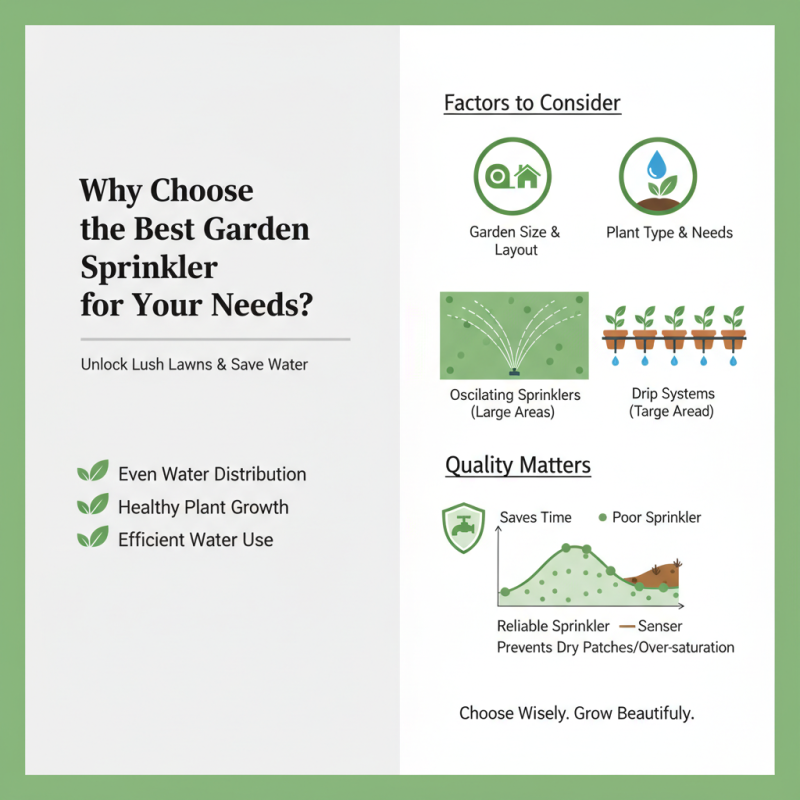
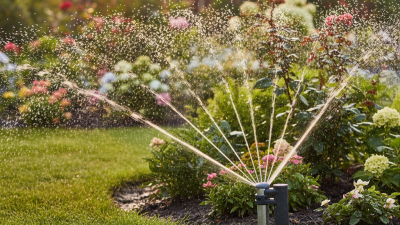
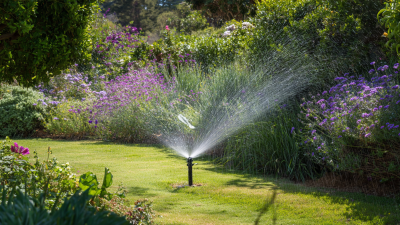
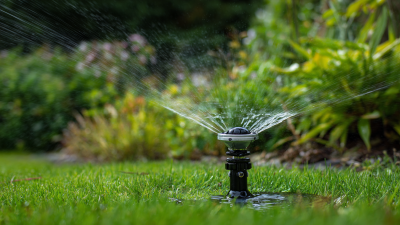
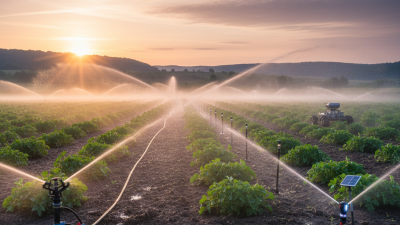
Choosing the right garden sprinkler can significantly impact your lawn care routine. A versatile garden sprinkler ensures even water distribution. This is essential for healthy plant growth.
When selecting a garden sprinkler, consider your garden's size and layout. Different sprinklers cater to various needs. For instance, oscillating models cover larger areas, while drip systems target specific plants. Understanding these differences helps you make an informed decision.
Many homeowners overlook the importance of quality. Investing in a reliable garden sprinkler can save time and water. A poorly designed sprinkler might lead to uneven watering. You could face dry patches or over-saturation. Reflect on your garden's unique requirements. This will guide you to the best choice for your watering needs.
Understanding Different Types of Garden Sprinklers and Their Uses
Choosing the right garden sprinkler can greatly enhance your gardening experience. Different types of sprinklers serve specific needs. For example, stationary sprinklers are straightforward and ideal for small lawns. These are easy to set up and require minimal maintenance. A study by the Irrigation Association suggests that these types are widely used in residential gardens due to their efficiency.
On the other hand, oscillating sprinkler systems cover larger areas. They distribute water evenly, making them suitable for varied terrains. According to a 2021 report from the Water Conservation Institute, oscillating sprinklers can reduce water wastage by up to 25%. However, their effectiveness may decline in windy conditions, leading to uneven watering. Drip irrigation systems are another option, focusing directly on plant roots. These can save 30% more water compared to traditional sprinklers. But installation can be complex and may require additional expertise.
Understanding these nuances helps in making informed decisions. Not all sprinklers suit every garden type. Consider factors like garden size, water availability, and local climate. Spending time researching can pay off, leading to a lush garden while conserving valuable resources.
Key Factors to Consider When Selecting a Garden Sprinkler
Selecting the right garden sprinkler is crucial for effective irrigation. One key factor to consider is the type of plants in your garden. Different plants require varying amounts of water. For instance, delicate flowers may need more gentle watering while vegetables thrive with a more direct approach.
The size of your garden also plays a significant role. A small garden can benefit from a simple oscillating sprinkler, while larger spaces might require a more complex system. Think about water pressure, too. Low pressure can hinder performance. Ensure the chosen sprinkler suits your water supply.
Additionally, consider the area’s climate. In hot, dry climates, a sprinkler that delivers a fine mist can reduce evaporation. Reflecting on these details can help you make a more informed choice. Remember, the ideal solution varies for everyone. Your garden's unique needs should guide your decision. Strive for functionality over trends in your selections.
Why Choose the Best Garden Sprinkler for Your Needs? - Key Factors to Consider When Selecting a Garden Sprinkler
| Feature |
Description |
Importance |
| Coverage Area |
The maximum area that the sprinkler can effectively water. |
High |
| Water Pressure Compatibility |
The range of water pressure the sprinkler can operate with optimal efficiency. |
Medium |
| Durability |
The ability of the sprinkler to withstand external elements and wear over time. |
High |
| Ease of Assembly |
How simple it is to set up and install the sprinkler. |
Medium |
| Adjustability |
The ability to customize water spray patterns and distances. |
High |
| Portability |
How easy it is to move the sprinkler to different locations. |
Low |
| Price |
The cost of the sprinkler, which can vary based on features. |
Medium |
The Importance of Coverage Area: Calculating Your Lawn Size
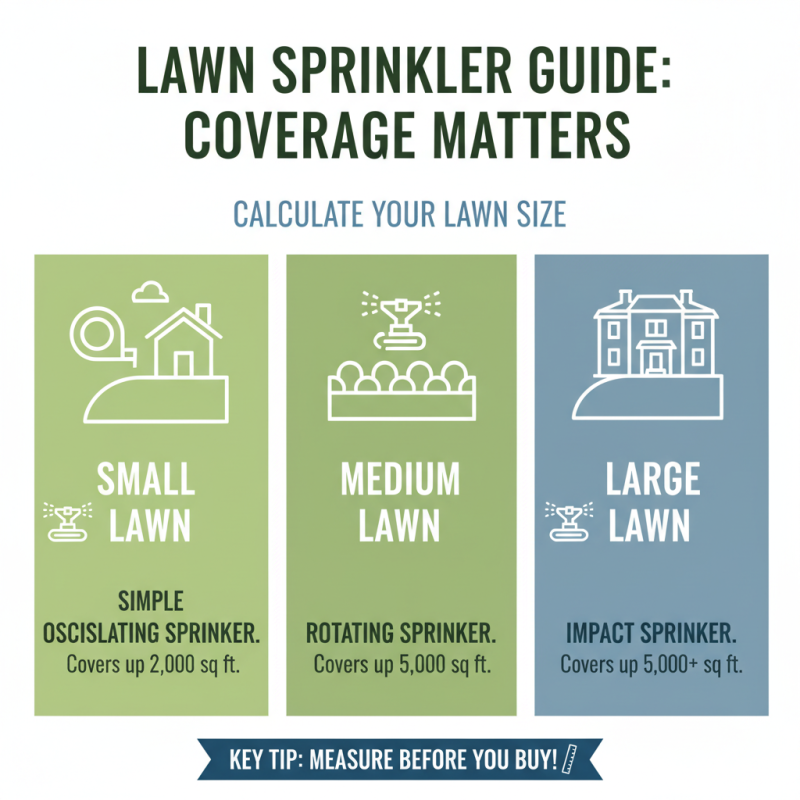
When selecting a garden sprinkler, understanding your lawn's coverage area is crucial. The size of your yard dictates the type of sprinkler you need. A small garden may only require a simple oscillating model. Larger lawns often benefit from rotating or impact sprinklers, which can cover more ground efficiently. It's essential to measure your lawn before making a choice.
Measuring the area might seem straightforward, but many overlook irregular shapes. If your lawn features curves, dividing it into sections can help. Calculate each area separately, then combine the totals. This step ensures you select a sprinkler that evenly distributes water without missing spots. A sprinkler that doesn’t fit your lawn size can lead to overwatering or underwatering, both of which are problematic for grass health.
Take time to consider your lawn's needs, as well as the local climate. What works well in one region might not suit another. If uncertain, consult gardening resources or local experts. Some trial and error may be needed to find the perfect match for your garden. Each lawn is unique, and sometimes the best solutions are those discovered through experience.
Efficiency and Water Conservation in Sprinkler Systems
When choosing a garden sprinkler, efficiency and water conservation are crucial factors. Inefficient sprinklers can waste significant water. According to the US Environmental Protection Agency, nearly 50% of outdoor water use is wasted due to inefficient watering practices. The right sprinkler can lead to better water management and a greener garden.
Consider using drip irrigation systems or soaker hoses. These methods target plant roots directly. They reduce evaporation and runoff. Estimates suggest that drip irrigation can save up to 30% more water than traditional sprinklers. Regularly checking for leaks in hoses and connections also helps maximize efficiency.
Planning your watering schedule is essential. Early mornings are often the best times to water your garden. This reduces water loss due to evaporation. Additionally, using rain gauges can help monitor rainfall and adjust watering accordingly. Implementing these simple tips supports water conservation efforts while nurturing your garden effectively.
Comparative Costs: Investment vs. Long-Term Savings in Sprinklers
When choosing a garden sprinkler, understanding comparative costs is essential. Initial investment in high-quality sprinklers can seem daunting. However, it’s crucial to consider long-term savings. According to the Irrigation Association, efficient irrigation systems can reduce water consumption by up to 30%. This reduction translates into significant cost savings over time.
Consider the average annual water bill for a residential property. In the U.S., this can exceed $500, depending on water rates. Investing in a top-tier sprinkler system might initially cost $200 to $600, but saving on water bills quickly offsets that expense. Some homeowners experience payback periods of less than two years. That’s a minor inconvenience for such a major benefit.
Furthermore, poor quality or outdated systems may require constant repairs or replacements. This leads to unforeseen costs, negatively impacting your budget. Regular watering can even affect soil health. Investing in the right sprinkler can ensure healthier gardens and lower maintenance costs. Eventually, it’s about creating a sustainable environment while maximizing your resources. Balancing initial costs with future benefits is essential.