Top 10 Garden Water Spray Gun Tips for Efficient Watering Techniques
Efficient watering techniques are crucial for maintaining a healthy garden, especially in the face of increasing water scarcity and environmental concerns. According to a recent report by the Water Conservation Association, up to 50% of water used for outdoor irrigation is wasted due to inefficient watering methods. This statistic highlights the need for effective tools like the Garden Water Spray Gun, which can significantly improve water conservation efforts while ensuring plants receive the adequate moisture they require.
Expert horticulturist Dr. Emily Greene emphasizes the importance of using quality watering tools, stating, "A well-designed Garden Water Spray Gun not only enhances the efficiency of watering but also supports sustainable gardening practices by minimizing water waste." As more gardeners seek to adopt sustainable techniques, understanding the optimal usage of such equipment becomes essential. Incorporating top tips for utilizing a Garden Water Spray Gun can empower both novice and experienced gardeners to achieve lush, thriving landscapes while being mindful of resource conservation.
Choosing the Right Garden Water Spray Gun for Your Needs
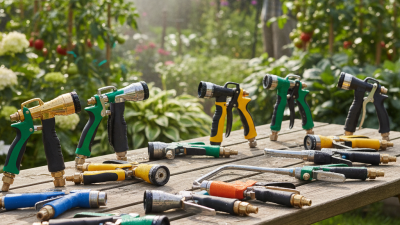
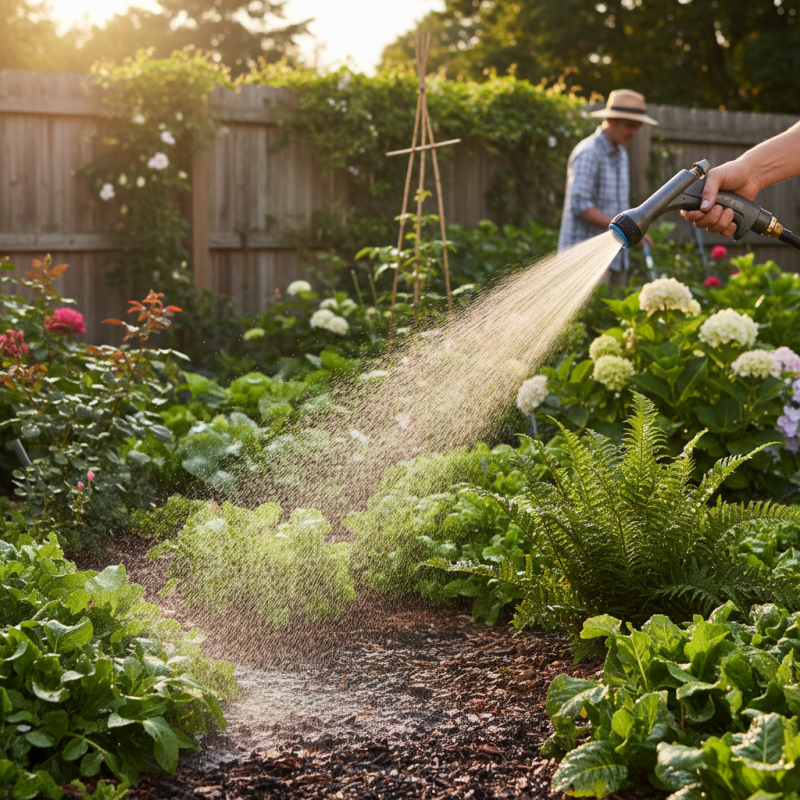
Choosing the right garden water spray gun is essential for maximizing watering efficiency and ensuring your plants thrive. Start by assessing your garden's size and the types of plants you have. For small gardens or potted plants, a hand-held spray gun with adjustable settings will allow you to control the water flow and pressure, making it perfect for delicate flowers. Conversely, larger gardens may benefit from a more powerful spray gun with options for various spray patterns, such as mist, shower, and jet, to accommodate different watering needs.
Another factor to consider is the ergonomics and weight of the spray gun. Look for designs that offer comfortable grips to reduce hand fatigue during prolonged use. Additionally, lightweight materials can make the watering experience much more enjoyable. Check for features such as a longer hose length or a rotating connector, which can enhance your mobility in the garden and make it easier to reach all areas without straining. By carefully evaluating these elements, you can ensure you select a garden water spray gun that meets your specific watering requirements while promoting effective and enjoyable gardening activities.
Top 10 Garden Water Spray Gun Tips for Efficient Watering Techniques
This chart illustrates the effectiveness of various garden watering techniques using different spray gun settings, highlighting their water usage efficiency and the corresponding area covered.
Understanding Different Spray Patterns for Efficient Watering
When it comes to efficient watering techniques in the garden, understanding different spray patterns is crucial. Various spray patterns can dramatically influence how water reaches your plants, ensuring that moisture is evenly distributed and reducing waste.
A fan spray is one of the most versatile options, providing a gentle mist that covers a wide area without saturating the soil too deeply. This is ideal for seedlings and delicate plants, allowing for gradual moisture absorption.
Alternatively, a jet spray is excellent for targeted watering, making it perfect for larger plants or areas with hard-to-reach spots. This concentrated stream can penetrate deeper into the soil, helping to deliver water directly to the root zone.
For broader areas, a soaker pattern is highly effective; it allows water to trickle out slowly, ensuring even coverage over a larger garden bed. By understanding and utilizing these various spray patterns, gardeners can optimize their watering routines for better plant health and water conservation.
Techniques for Adjusting Water Pressure on Your Spray Gun
Adjusting the water pressure on your spray gun is essential for achieving efficient watering while minimizing waste. The first step is to understand the relationship between pressure and flow rate. A higher pressure setting can deliver a more concentrated spray, which is ideal for reaching distant plants or those with tough foliage. Conversely, lower pressure allows for a gentler mist that’s beneficial for delicate flowers or seedlings, reducing the risk of damaging them. Begin by testing your spray gun at various pressure levels to find the optimal setting for your garden’s specific needs.
Another important technique for managing water pressure involves utilizing a pressure regulator. These devices can help maintain a consistent pressure regardless of fluctuations in your water supply. By installing a regulator, you ensure that your spray gun operates within a safe and effective range. Additionally, consider the nozzle type on your spray gun—different nozzles provide different spray patterns and pressures. Experimenting with various nozzle options can help tailor the water output to match your watering requirements, ultimately leading to healthier plants and a well-maintained garden.
Tips for Proper Maintenance of Your Water Spray Gun
Proper maintenance of your water spray gun is essential for ensuring its longevity and optimal performance. Regular inspection is a key aspect; check for any signs of wear or damage, such as cracks in the nozzle or hose, which can significantly affect water efficiency. Cleaning the spray gun after each use helps remove dirt and debris that can clog the nozzles. Simply rinse it under water and allow it to dry completely to prevent corrosion or buildup.
Another vital tip is to store your water spray gun in a cool, dry place, especially when not in use for an extended period. Avoid leaving it exposed to harsh weather conditions, as extreme temperatures can degrade the material. Additionally, consider detaching the hose if it is subjected to bending or twisting when stored, as this can cause leaks over time. Regular maintenance not only keeps the spray gun in good working order but also optimizes its watering efficiency, allowing you to take full advantage of your gardening efforts.
Top 10 Garden Water Spray Gun Tips for Efficient Watering Techniques
| Tip No. |
Tip |
Description |
Maintenance Frequency |
| 1 |
Choose the Right Nozzle |
Select a nozzle based on your watering needs (e.g., spray, mist, jet). |
As needed |
| 2 |
Adjust the Pressure |
Adjust the water pressure for better control and less waste. |
Weekly |
| 3 |
Use a Timer |
Set a timer to prevent overwatering. |
Every season |
| 4 |
Regularly Clean the Filter |
Prevent clogs by cleaning the water filter regularly. |
Monthly |
| 5 |
Inspect Hoses for Leaks |
Check hoses to ensure no leaks and reduce water waste. |
Bi-weekly |
| 6 |
Store Properly in Off-Season |
Store your spray gun in a dry place to prevent damage. |
Yearly |
| 7 |
Test Before Use |
Check for leaks and functionality before starting your watering. |
Each use |
| 8 |
Use Eco-Friendly Settings |
Utilize settings that conserve water while maintaining effectiveness. |
Whenever possible |
| 9 |
Check Temperature |
Avoid watering during high temperatures to reduce evaporation. |
Seasonally |
| 10 |
Educate Yourself on Soil Needs |
Understand your plants' and soil's water requirements. |
Ongoing |
Best Practices for Watering Techniques to Conserve Water
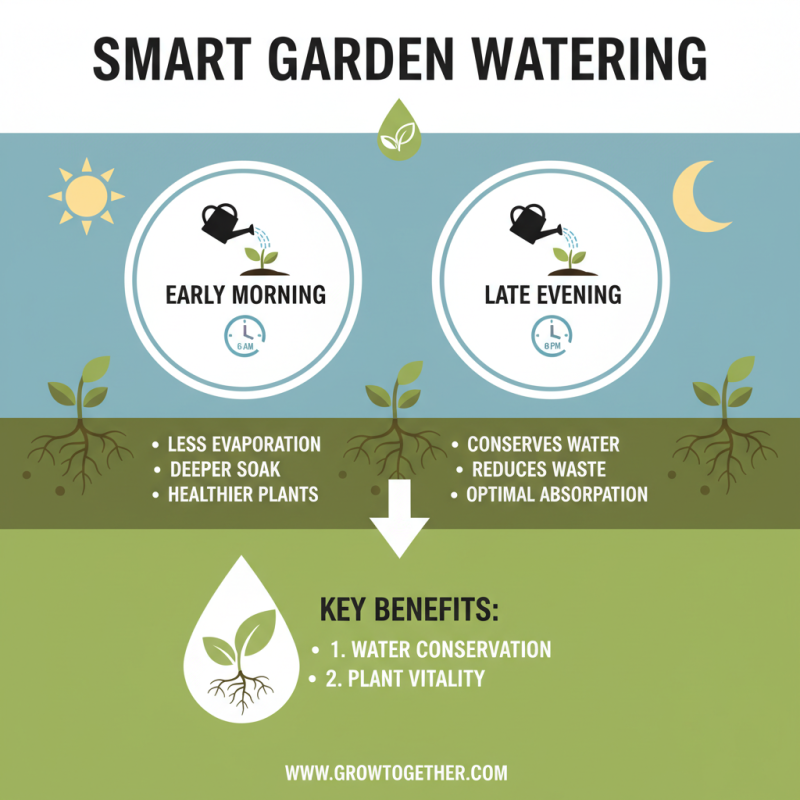
Watering your garden efficiently is crucial not just for the health of your plants but also for conserving precious water resources. Adopting the best practices in watering techniques can significantly reduce water waste. One effective way to achieve this is to water your garden early in the morning or late in the evening. During these cooler times of day, evaporation rates are lower, allowing the water to soak deep into the soil rather than evaporating into the air.
To maximize your watering efficiency, consider using a water spray gun with an adjustable nozzle. This allows you to control the flow and direction of water, ensuring that it's precisely where it's needed. Additionally, incorporating mulch around your plants can suffice in retaining moisture in the soil, which reduces the frequency of watering. Make sure to check the moisture level in the soil before watering; investing in a soil moisture meter can help you determine when your plants truly need water, thereby preventing overwatering.
Lastly, consider practicing deep watering techniques. Instead of light, frequent watering, aim to water deeply less often. This encourages root systems to grow deeper into the soil, making plants more resilient and better able to withstand drought conditions. By implementing these tips, not only will your garden thrive, but you'll also contribute to significant water conservation efforts.