Ultimate Guide to Garden Water Connectors for Efficient Irrigation?
Efficient irrigation systems are crucial for healthy gardens. Understanding how to use Garden Water Connectors can significantly improve your watering practices. According to Jim Green, a leading expert in irrigation systems, “A garden thrives when water distribution is optimized.” This highlights the importance of quality connectors in achieving efficiency.
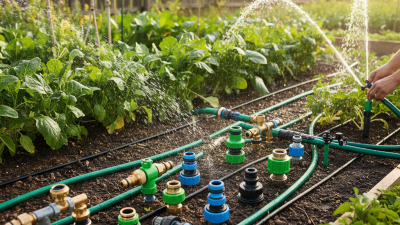
Garden Water Connectors play a vital role in delivering water to plants. They ensure a seamless connection between hoses, sprinklers, and other irrigation tools. The right connectors can prevent leaks and maintain consistent water flow. However, not all connectors are created equal. It's essential to consider the materials and compatibility with existing equipment.
Choosing the wrong connectors can lead to frustrating issues. A leak here and a disconnection there can waste water and time. Reflecting on different types of Garden Water Connectors will empower gardeners to make informed decisions. Reliable connectors can turn a good irrigation system into a great one. Understanding this can enhance the overall gardening experience while conserving resources.
Understanding Garden Water Connectors: Types and Uses
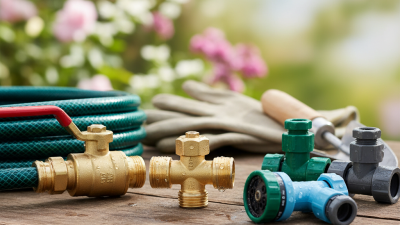
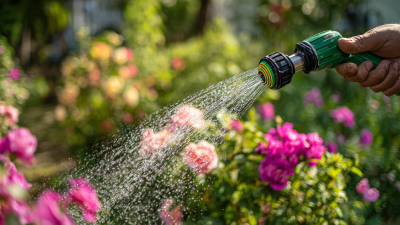
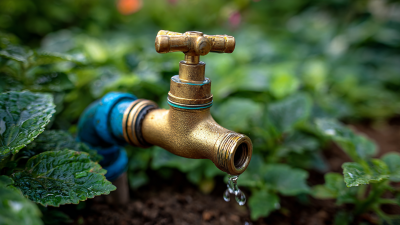
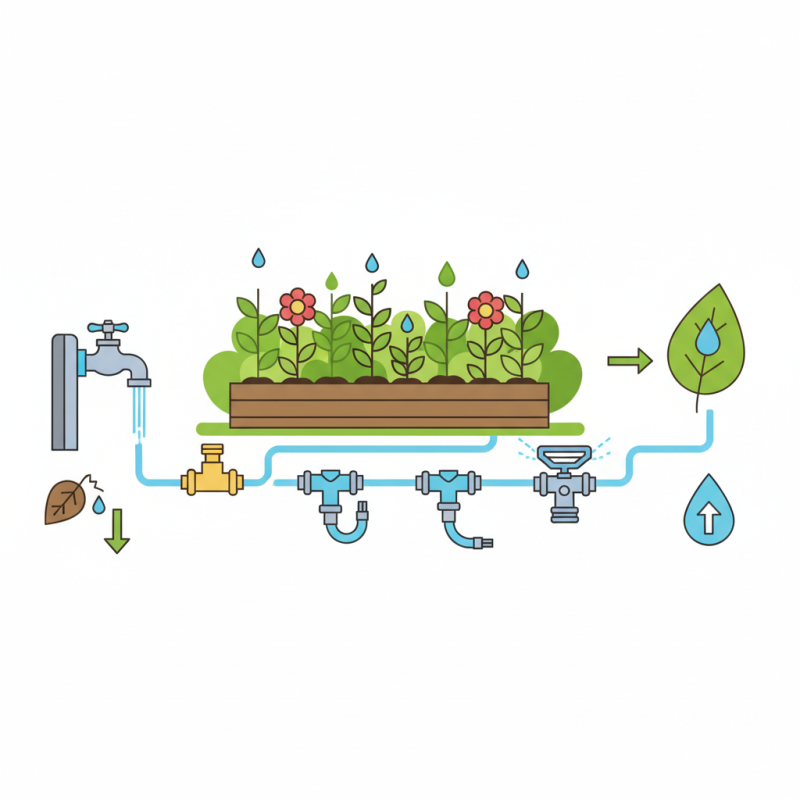
Garden water connectors are essential for efficient irrigation. Several types exist, each serving unique functions. Hose connectors simplify the attachment of hoses to faucets or sprinklers. They allow for quick setup and a seamless connection, ensuring water flows smoothly.
Another type is the quick connector, which speeds up the process of switching hoses. These connectors are user-friendly, making it easier to manage multiple watering tasks. However, improper installation may lead to leaks. Understanding how to use these connectors is crucial for maintaining an efficient garden.
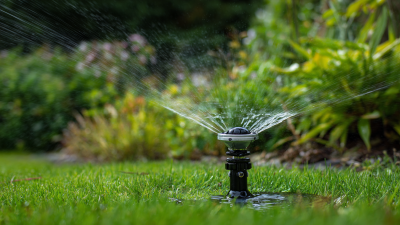
Drip connectors offer precision watering. They deliver water directly to the plant roots, reducing waste. This type of connector is ideal for gardens with varying plant needs. It can be challenging to set up, but the benefits outweigh the initial effort. Over time, gardeners may need to adjust their systems for optimal performance.
Ultimate Guide to Garden Water Connectors for Efficient Irrigation
Key Features to Look for in Garden Water Connectors
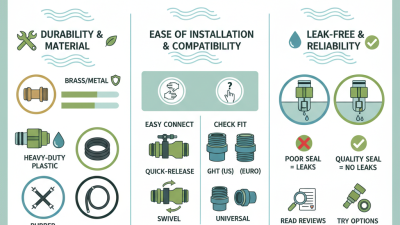
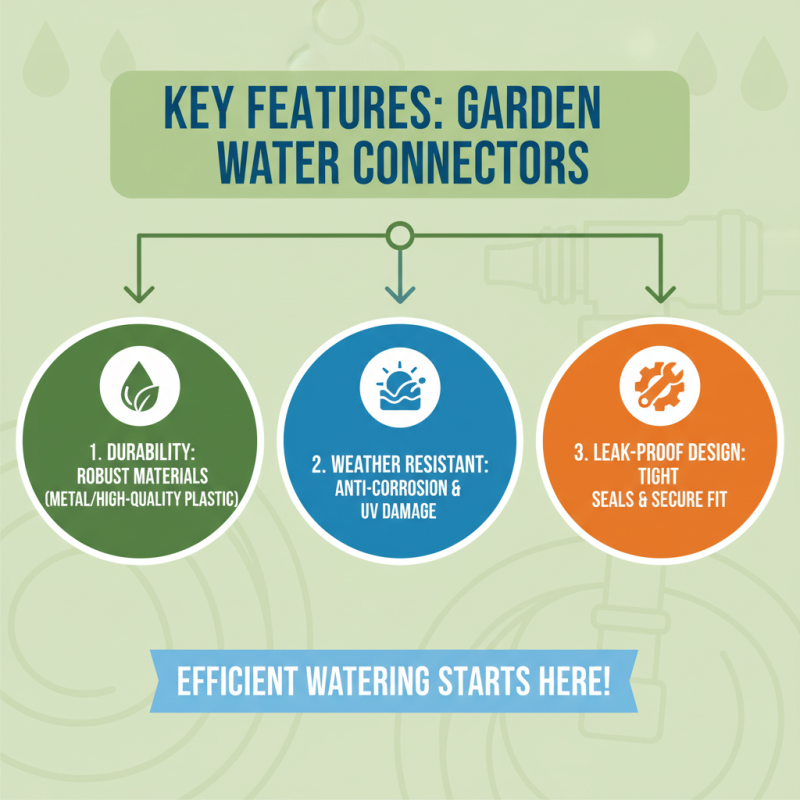
When choosing garden water connectors, understanding key features is crucial. One significant aspect is the material quality. Connectors made from durable plastics or brass resist wear from UV rays and extreme weather. Industry reports indicate that connectors constructed from these materials can last up to 10 years with proper care. This longevity saves both money and time in replacements.
Another essential feature is the connector's compatibility. A versatile connector should fit various hose sizes and types. Data shows that over 70% of gardeners prefer connectors that can adapt to different equipment, enhancing their irrigation setups. Look for models with ergonomic designs that provide easy attachment and removal. Lightweight options also alleviate strain and make watering less exhausting.
Furthermore, consider the flow rate. Higher flow rates enable efficient watering, reducing the time spent irrigating. Research indicates that using connectors with adjustable flow can reduce water waste by up to 30%. A thought-out design not only improves efficiency but can also help manage water resources better. Experimenting with different connectors may reveal options that perform better than anticipated, challenging preconceived notions of effectiveness.
Step-by-Step Guide to Installing Garden Water Connectors
Installing garden water connectors can seem daunting, but it’s manageable with a clear step-by-step approach. Begin by gathering your tools. You’ll need a pair of scissors, a wrench, and some tape. Don’t forget the connectors themselves, which usually come in various sizes to fit different hoses.
Next, measure the length of your hose. Make sure to cut it straight. This ensures a snug fit for your connectors. Applying tape around the threaded end of the connector can help prevent leaks. When you attach the connector, screw it on tightly. It’s crucial to avoid over-tightening to prevent damage.
Test the connection afterward. Turn on the water flow slowly and check for any leaks. If you notice a drip, re-check the tightening. Sometimes you might need to adjust your connector. This is normal; don’t be discouraged. Each adjustment teaches you the importance of precision in irrigation.
Ultimate Guide to Garden Water Connectors for Efficient Irrigation
| Connector Type |
Material |
Flow Rate |
Recommended Use |
Installation Difficulty |
| Quick Connect |
Plastic |
5 GPM |
General watering |
Easy |
| Threaded Connect |
Metal |
8 GPM |
Hoses with fittings |
Medium |
| Barbed Connector |
Plastic |
Variable |
Drip irrigation |
Easy |
| Snap-On Connector |
Rubber |
6 GPM |
Flexible hoses |
Easy |
| Compression Fitting |
Brass |
10 GPM |
Permanent connections |
Hard |
Common Issues with Garden Water Connectors and Their Solutions
Garden water connectors are essential for effective irrigation. However, they often face common issues that can disrupt water flow.
One frequent problem is leaks at connection points. These can occur due to wear and tear or improper installation. A simple check of the connectors can help identify if they are worn out.
Tightening or replacing faulty connectors is crucial.
Another common issue is clogs in the connectors. Dirt and debris can accumulate over time, obstructing water flow. Regular cleaning can prevent such problems. Using filtered water or adding a mesh screen can minimize debris from entering the system.
Users should be aware of the signs of clogs, such as reduced water pressure.
Lastly, temperature fluctuations can also impact connectors. Extreme heat or cold may cause materials to expand or contract. This can lead to cracks and breaks, resulting in costly repairs.
Inspecting connectors regularly, especially during seasonal changes, can help maintain their integrity. Gardeners should reflect on their maintenance routines to ensure reliability. Taking proactive steps can improve overall irrigation efficiency.
Maintaining Your Garden Water Connectors for Longevity
Maintaining your garden water connectors is crucial for a thriving garden. Proper care ensures that your irrigation system works efficiently over time. Regularly inspect the connectors for wear and tear. Check for leaks, cracks, or any buildup that can affect flow. Cleaning the connectors can prevent clogging.
Tips: Use warm, soapy water to clean dirt from the connectors. Rinse thoroughly to remove soap residue. For stubborn deposits, a soft brush can help.
Storage is also essential for longevity. When not in use, store your connectors in a cool, dry place. Extreme temperatures can cause materials to degrade. Insulate them during cold months to prevent damage.
Tips: Always disconnect the connectors from hoses after use. This prevents stress on the fittings. A simple routine can significantly extend the life of your irrigation tools. Be mindful of how often you use them. Overuse can lead to premature failures, so balance your watering needs effectively.