How to Choose the Right Agricultural Water Sprinkler for Your Farm
Choosing the right Agricultural Water Sprinkler is crucial for optimizing water usage and enhancing crop yields on your farm. According to the United Nations Food and Agriculture Organization (FAO), agriculture accounts for approximately 70% of global freshwater withdrawals, underscoring the importance of efficient irrigation practices. Selecting the appropriate sprinkler system can significantly impact water conservation efforts, ultimately leading to improved sustainability and productivity.
Recent studies indicate that modern sprinkler systems can improve irrigation efficiency by up to
30% compared to traditional irrigation methods, thereby reducing water wastage and lowering operational costs for farmers. With the advent of new technologies, such as precision agriculture and smart irrigation systems, farmers are afforded greater control over their water resources, enabling them to tailor their application to specific crop needs. This not only fosters better growth conditions but also aligns with
environmental stewardship goals aimed at maintaining healthy ecosystems.
As the demand for food continues to rise globally, the implementation of effective Agricultural Water Sprinkler systems becomes increasingly critical. Farmers must consider various factors, such as crop type, field size, and local climate conditions, to select a sprinkler system that meets their unique agricultural requirements. Making an informed choice in this regard can lead to substantial improvements in both yield and resource management, positioning farmers for
success in a rapidly evolving agricultural landscape.
Understanding Different Types of Agricultural Water Sprinklers Available in 2025
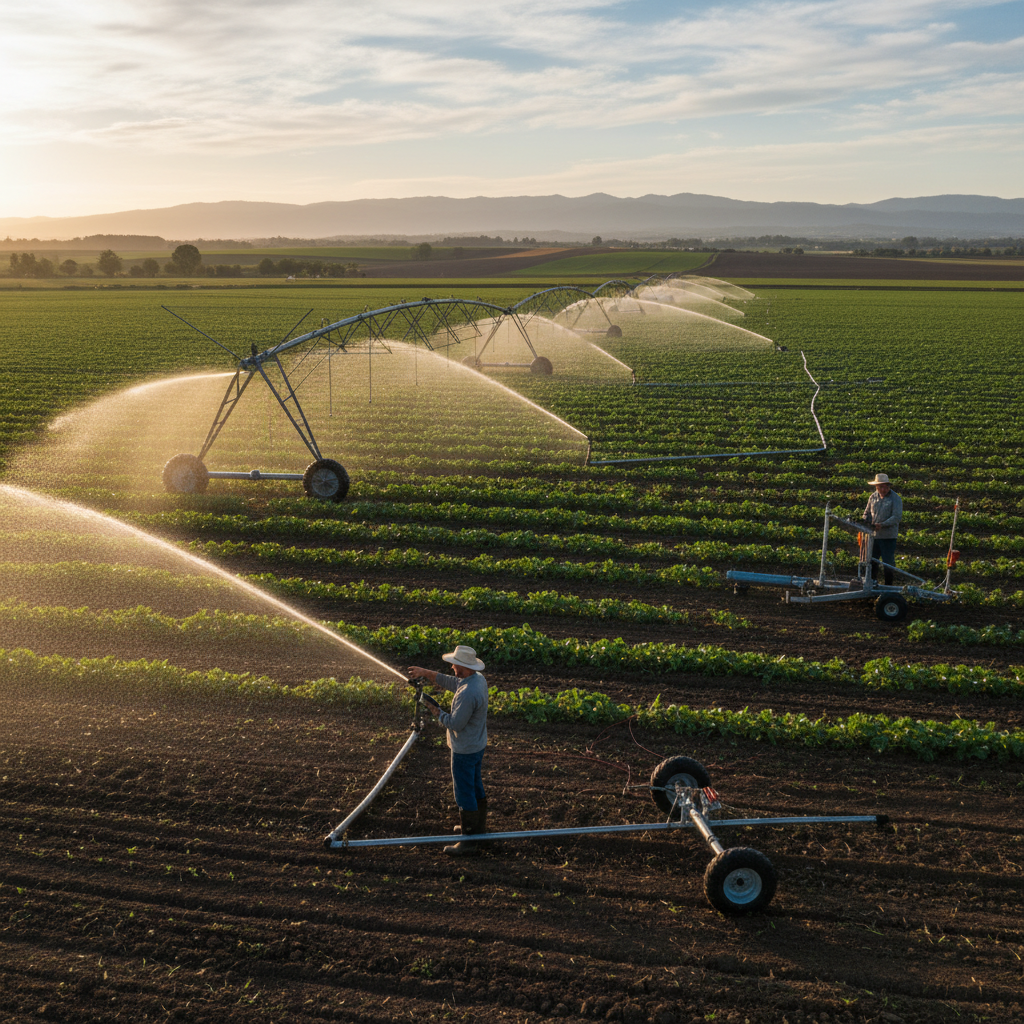
When selecting the right agricultural water sprinkler for your farm in 2025, it’s crucial to understand the various types available on the market. The most common types include stationary, portable, and oscillating sprinklers, each designed to cater to specific agricultural needs.
Stationary sprinklers are ideal for small to medium-sized fields, providing consistent coverage for crops. They work best for well-defined watering schedules and can be adjusted based on plant requirements.
In contrast, portable sprinklers offer greater flexibility, allowing farmers to move them around different parts of the farm as needed. This is particularly beneficial for diverse crop arrangements.
Oscillating sprinklers, known for their ability to cover large areas with a horizontal movement, are perfect for larger fields but may require more power and water pressure. Understanding these types will enable farmers to make informed decisions tailored to the unique conditions of their land and the specific needs of their crops, ensuring efficient water usage and optimal yield.
Key Factors to Consider When Selecting a Water Sprinkler for Your Farm
When selecting a water sprinkler for your farm, several key factors should be taken into account to ensure you choose the most appropriate system for your crops and soil type. First and foremost, consider the size of the area that needs irrigation. Larger fields may require a more powerful system, or perhaps multiple sprinklers, while smaller plots could benefit from a more compact, efficient option. Additionally, studying the specific water requirements of your crops will help determine what type of sprinkler settings are necessary, as different plants have varying moisture needs.
Tips: Always measure your field's topography and soil composition, as these can significantly impact water distribution and absorption. If your land is uneven, a rotating sprinkler system might be a better choice to ensure consistent coverage. Another aspect to consider is water pressure availability; low-pressure areas may not support certain sprinkler types effectively, so it’s essential to evaluate your water source and its pressure capabilities.
Lastly, the durability and maintenance requirements of the sprinkler system are crucial. Choose materials that are resistant to weather elements to prolong the lifespan of your equipment. Additionally, look for models that allow for easy repairs or replacements of parts, as this will save time and money in the long run. Considering these factors will help you make an informed decision and lead to more efficient water usage on your farm.
Evaluating Water Pressure and Coverage Area for Optimal Sprinkler Performance
When selecting the right agricultural water sprinkler for your farm, evaluating water pressure is crucial. Water pressure affects how far and evenly the water is distributed across your fields. A sprinkler designed for low pressure may not achieve the desired reach, resulting in uneven watering and wasted resources. It is essential to measure your water supply's pressure to ensure compatibility with the chosen sprinkler system. Typically, a pressure gauge can be used to obtain accurate readings, allowing you to select a sprinkler that operates effectively within that pressure range.
In addition to water pressure, the coverage area is another vital factor in achieving optimal sprinkler performance. Each sprinkler model has specific coverage limits that are influenced by its design and the water pressure available. Depending on the size and layout of your farm, it may be beneficial to consider adjustable or rotating sprinklers that can cover larger areas efficiently. Before making a purchase, assessing the total acreage that needs irrigation and understanding how the sprinkler's spray pattern fits your crop layout ensures that water distribution is maximized, promoting healthy growth and reducing resource waste.
How to Choose the Right Agricultural Water Sprinkler for Your Farm
| Sprinkler Type |
Recommended Water Pressure (PSI) |
Coverage Area (Acres) |
Best for Crops |
Distribution Uniformity (%) |
| Center Pivot |
40-60 |
80-150 |
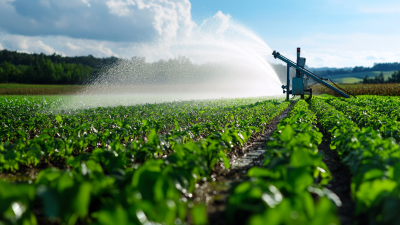
Corn, Soybeans |
85 |
| Drip Irrigation |
10-30 |
0.5-10 |
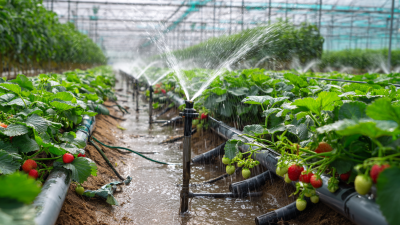
Vegetables, Berries |
95 |
| Spray Nozzle |
30-50 |
1-5 |
Flowers, Small Crops |
80 |
| Fixed Sprinkler |
25-50 |
0.25-1 |
Lawns, Gardens |
75 |
| Traveler Irrigator |
30-50 |
10-50 |
Pastures, Row Crops |
82 |
Cost Analysis: Budgeting for Your Agricultural Water Sprinkler Investment
Investing in an agricultural water sprinkler system is a critical decision for any farm, as it directly impacts crop yield and operational efficiency. According to the Irrigation Association, farmers can expect to save up to 50% on water usage by switching to modern, efficient sprinkler systems. When budgeting for this investment, it's essential to consider not just the initial purchase price but also long-term operational costs. A cost analysis by the USDA indicates that the average farmer spends between $1,000 and $5,000 on irrigation equipment, depending on the size of their farm and specific needs.
**Tips:** When considering your budget, factor in annual maintenance costs, which can range from 5% to 10% of the initial investment. Additionally, assess potential savings through enhanced water efficiency. For instance, a well-optimized sprinkler system can lead to an estimated 20% increase in overall crop production, which can offset initial costs over time.
Choosing the right sprinkler system also involves understanding local water regulations and the types of crops grown. Reports show that precision irrigation systems can enhance water application efficiency, potentially saving farmers thousands in water bills annually. By carefully analyzing these factors and utilizing available resources like agricultural extension services, farmers can make informed choices that benefit both their budget and yield.
Future Trends in Agricultural Water Sprinklers: Innovations to Watch in 2025
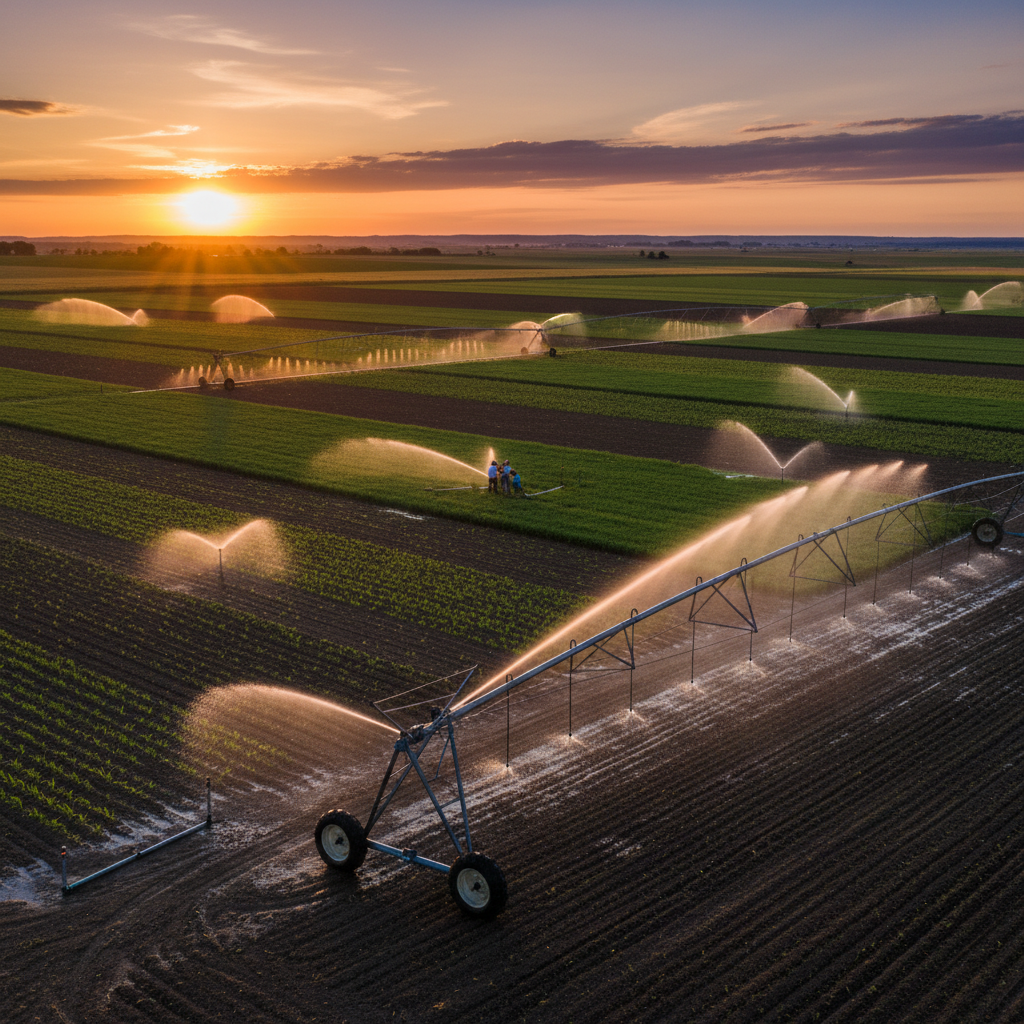
As we look toward 2025, the agricultural sector is poised for significant advancements in water sprinkler technology that promise to enhance efficiency and productivity on farms. Recent reports from the International Irrigation Association indicate that precision irrigation systems, which include advanced sprinkler technologies, can lead to water savings of up to 40%, ensuring that every drop counts in resource-conscious farming. With global water shortages becoming increasingly acute, these innovations will be vital for sustainable agricultural practices.
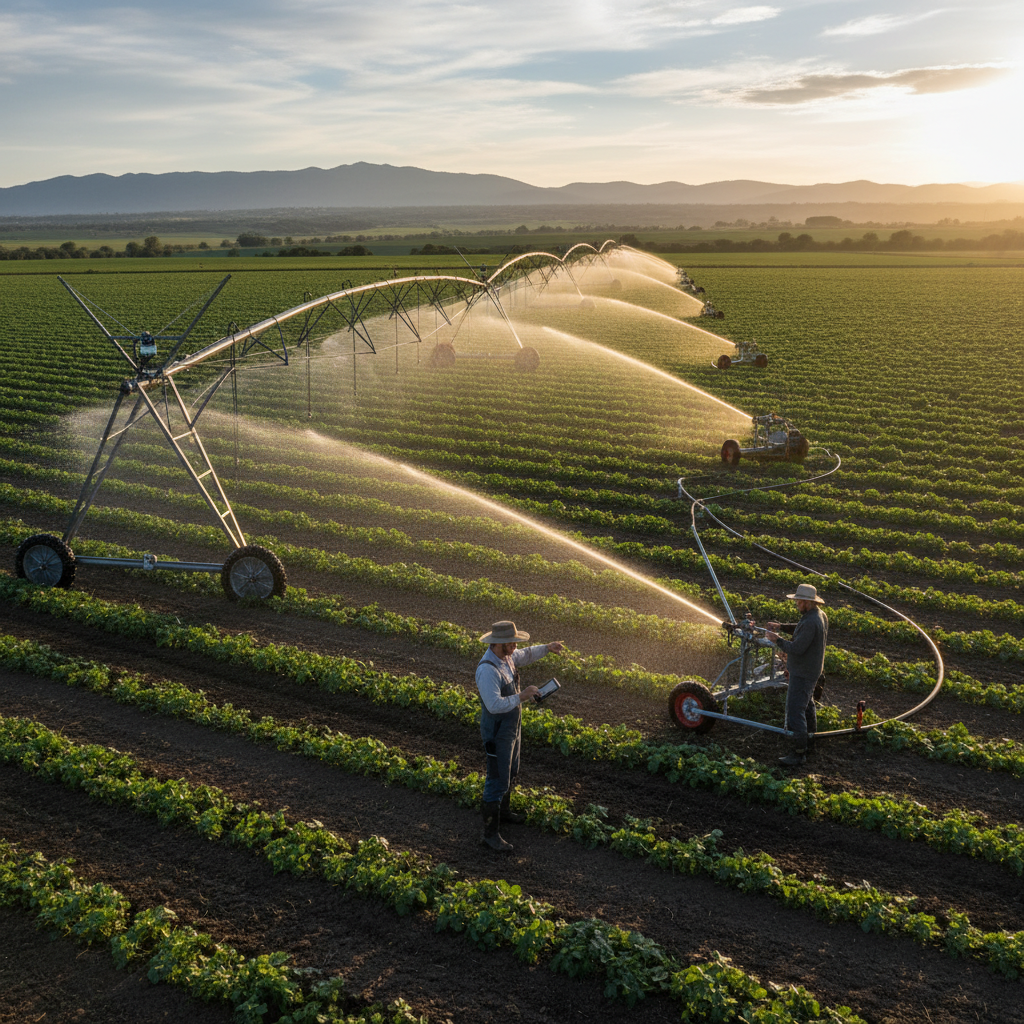
One of the most exciting trends on the horizon is the integration of smart technology into water sprinkler systems. According to a study by MarketsandMarkets, the smart irrigation market is projected to reach $2.32 billion by 2025, experiencing a compound annual growth rate (CAGR) of 15.5%. These systems leverage IoT and AI capabilities to monitor environmental conditions in real-time, optimizing water usage based on soil moisture and weather patterns. Such technology not only minimizes waste but also supports farmers in making data-driven decisions, ultimately boosting crop yields and profitability.