How to Choose the Best Lawn Sprinklers for Your Garden?
Choosing the right lawn sprinklers can greatly enhance your garden's health and beauty. With various options available, understanding their features is essential. Lawn sprinklers not only provide water but also save you time and effort.
Look for models that suit your garden size and shape. Consider the type of plants you have. Some require more water, while others thrive in drier conditions. The placement of your lawn sprinklers is as important as their type. Ensure that all areas receive adequate coverage.
Sometimes, people overlook maintenance. Clogged nozzles can drastically reduce efficiency. Regular checks and cleaning can prevent this issue. Remember, your choice reflects your care for your garden. Choosing wisely can create a lush, thriving space.
Understanding Different Types of Lawn Sprinklers Available in the Market
When choosing lawn sprinklers, it’s crucial to understand the various types available. Sprinklers can be broadly categorized into stationary, oscillating, and rotating models. Each type offers unique benefits suited for different garden needs.
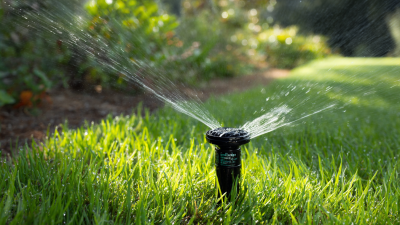
Stationary sprinklers are simple and efficient for small areas. They distribute water evenly but can leave some spots dry.
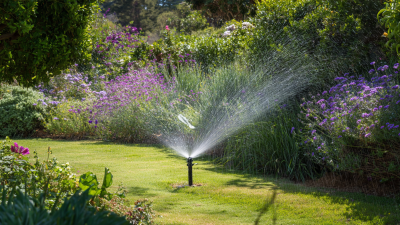
Oscillating sprinklers create a fan-like spray pattern. They cover wider areas and are ideal for medium-sized gardens. However, they may not provide consistent watering due to wind interference. It’s important to place them strategically to avoid dry patches.
Rotating sprinklers work well for large lawns. They can deliver water in a circular pattern, reaching even distant corners. While they cover a lot of ground, they may take longer to ensure thorough watering.
When selecting the best type, consider the size and shape of your garden. You may find that one type doesn't fit all your watering needs. Testing different styles can lead to unexpected results. Sometimes, a combination of sprinkle types works best. Analyzing your garden's specifics is essential for effective watering. Remember, over-watering or under-watering can harm your plants. Adjusting your methods based on trial and error can lead to a healthier lawn.
Evaluating Garden Size and Watering Needs for Optimal Sprinkler Selection
When selecting lawn sprinklers, start by evaluating your garden size. A small garden may only need a simple oscillating sprinkler, while larger spaces might require more advanced options. According to a study from the Irrigation Association, approximately 75% of residential landscapes use sprinklers inefficiently. Understanding your garden's dimensions helps in choosing a model that covers the entire area without wasting water.
Next, consider your watering needs. Different plants require varying amounts of water. The USDA suggests that lawns receive about one inch of water per week, including rainfall. This means you must gauge the frequency and duration of watering your specific garden. Fixed spray heads might seem effective, but they can lead to overwatering in some spots. You could end up with dry patches or soggy soil. Observations show that many homeowners struggle with these issues, pointing to the importance of balanced choices.
So, measure your garden accurately. Identify the plants and their needs. Ultimately, a well-chosen sprinkler not only conserves water but also promotes plant health. Being mindful of size and watering can prevent mistakes that many gardeners face. Keep experimenting until you find the right balance.
Exploring Key Features to Look for in Lawn Sprinklers
When choosing lawn sprinklers, several key features stand out. The type of sprinkler determines coverage.
For large areas, oscillating or rotating models work well.
Fixed or stationary sprinklers are suitable for small, defined spaces.
Adjusting the sprinkler’s range can also help target specific areas, minimizing water waste.
Tips: Always consider your garden's layout. Measure your garden size before purchasing. This ensures you select a sprinkler that meets your needs without overspending.
Remember, what seems convenient may not always be effective.
Water efficiency is crucial. Some models come with timers or sensors, which can reduce water usage.
Look for sprinklers that allow customization of spray patterns. This feature can optimize water distribution.
However, these advanced options may require more maintenance and understanding, which can be challenging.
Tips: Regularly check your sprinkler system for clogs or malfunctions.
An overlooked problem can lead to uneven watering. Always test your sprinkler’s output before settling on a position.
You might need to adjust things after the initial setup.
Assessing Budget Considerations for Buying Lawn Sprinklers
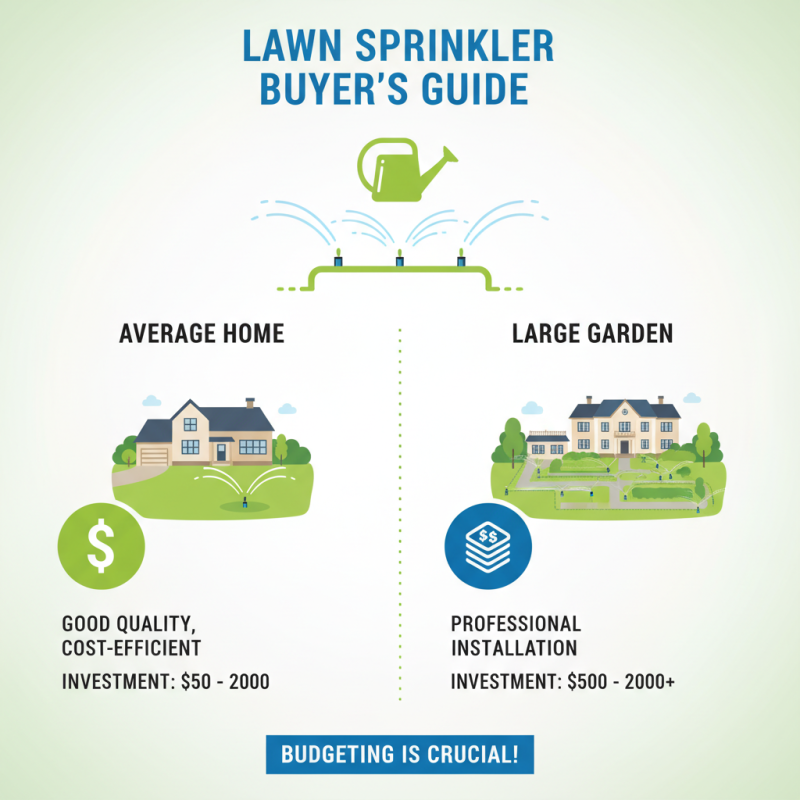
When it comes to buying lawn sprinklers, budget considerations are crucial. The average homeowner invests between $50 and $200 on a decent sprinkler system. This range often provides a good balance between quality and cost-efficiency. For those with larger gardens, costs can escalate quickly. Professional reports indicate that big installations can run from $500 to over $2,000. This makes budgeting a critical step in the decision-making process.
Many homeowners overlook operational costs. Water bills can increase significantly if efficient sprinkling is not in place. According to the U.S. Environmental Protection Agency, inefficient irrigation can waste up to 50% of the water used in landscaping. Investing in a sprinkler system with smart technology may initially seem expensive, but it can reduce water expenses in the long run. Furthermore, consider installation costs. Some homeowners opt for DIY setups to save money, but this can lead to mistakes and additional costs in fixing issues.
It is essential to weigh these factors carefully. Not every budget-friendly option will meet your garden’s needs. Cutting corners could result in a system that fails to optimize water usage. Taking the time to assess your specific needs against your financial limits will lead to better outcomes.
Maintenance Tips for Ensuring Longevity of Your Lawn Sprinklers
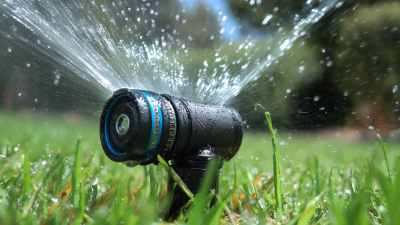
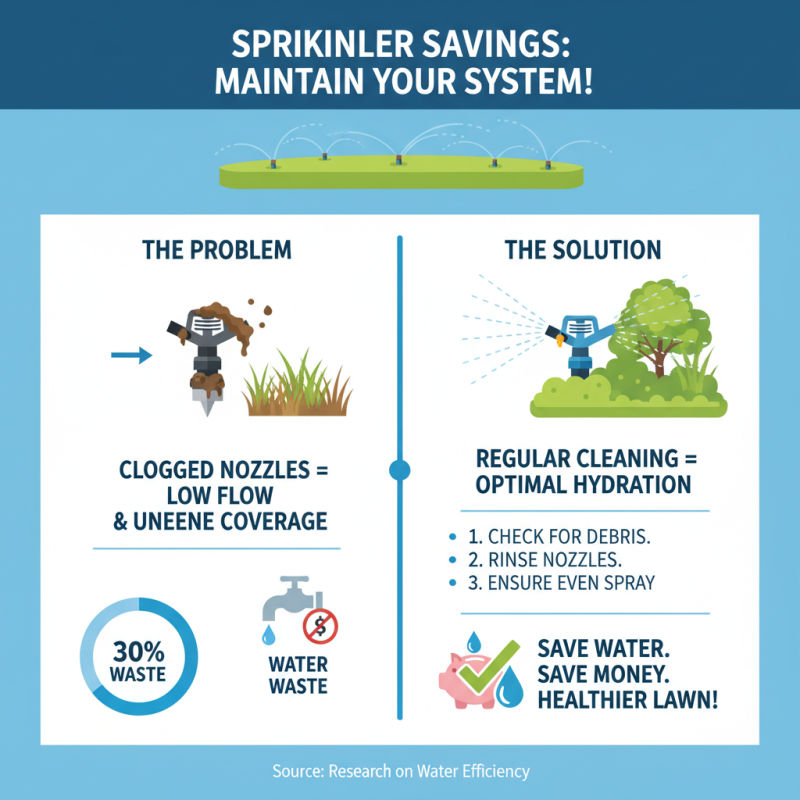
Maintaining your lawn sprinklers is crucial for their longevity and effectiveness. Regular cleaning is a must. Debris can clog the nozzles, reducing water flow. Research has shown that a clogged sprinkler system can waste up to 30% more water than a clean one. This inefficiency not only harms your garden but also your wallet.
Inspect your sprinklers frequently. Look for leaks, which can lead to water loss and higher bills. According to a study by the Irrigation Association, even a small leak can waste over 6,000 gallons per year. If you notice any issues, address them quickly. Using a simple repair kit can often extend the life of your sprinkler system significantly.
Seasonal checks are essential too. Before winter, drain the water from your system to prevent freezing. Conversely, in spring, reset your timers. A well-set timer can save approximately 20% of water used. Remember, maintaining your sprinklers is an ongoing task that requires regular attention. Neglect could lead to costly repairs or the need for replacement.