Why Choose the Best Garden Water Connectors for Your Needs?
When creating a thriving garden, the choice of Garden Water Connectors is crucial. These connectors serve as the lifeline for your plants, ensuring they receive adequate water. A reliable connector helps prevent leaks and ensures consistent water flow. Poor choices can lead to frustration, wasted water, and unhealthy plants.
Each garden is unique, requiring specific water solutions. Understanding your needs will help you select the right connectors. This decision can impact not only your garden's health but also your overall gardening experience. Have you ever battled with faulty connectors that disrupt your watering schedule? Such experiences highlight the importance of investing in quality products.
Selecting Garden Water Connectors may seem straightforward, yet many overlook critical features. Compatibility, durability, and ease of use should guide your choices. Reflecting on these elements can lead to a flourishing garden, while neglect can hinder your gardening success. Remember, the right tools make all the difference in nurturing your outdoor space.
Understanding the Importance of Garden Water Connectors in Irrigation Systems
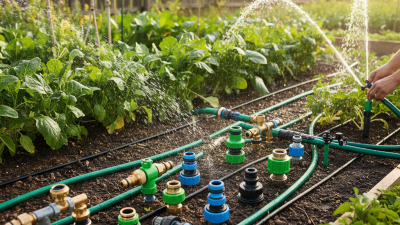
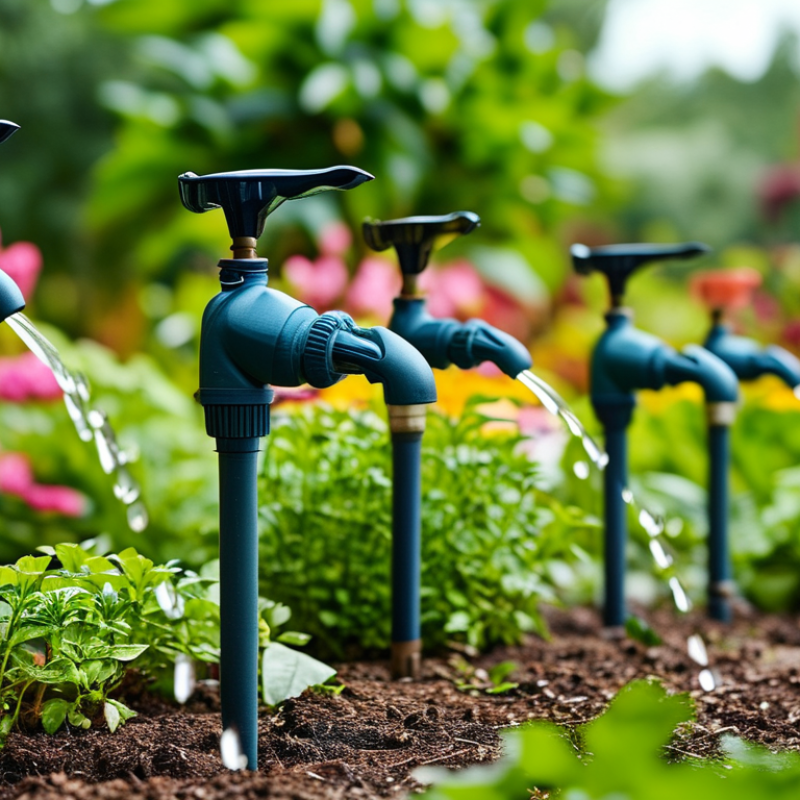
Garden water connectors are vital for efficient irrigation systems. They link hoses, sprinkler heads, and other components in a seamless manner, ensuring water is delivered where needed. A suitable connector prevents leaks, which can waste precious water and increase costs. Choosing a connector that fits your system can significantly impact plant health in your garden.
When selecting connectors, consider the material and size. High-quality materials resist wear and tear, while the proper size ensures a tight fit. Many gardeners overlook these factors, leading to frustration later. It is crucial to assess compatibility with existing equipment. Unsuitable connectors often cause leaks and hinder system performance, creating inefficiencies in watering routines.
While it may seem easy to overlook, the right garden water connector plays a significant role in maintaining an effective irrigation system. They should not be treated as mere accessories. Instead, they are essential tools in promoting a healthy garden environment. Small choices can lead to significant outcomes, making informed decisions critical.
Key Features to Look for in High-Quality Garden Water Connectors
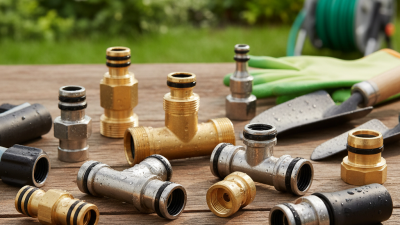
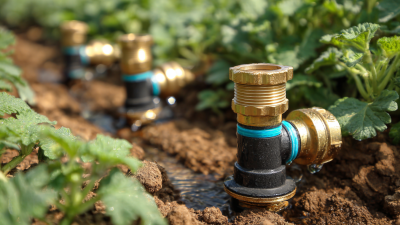
When choosing garden water connectors, focus on key features that enhance durability and functionality. High-quality connectors are often made from materials that resist corrosion and rust. Brass and high-grade plastic options can greatly extend the lifespan of your connectors. Reports indicate that connectors made from durable materials last up to 50% longer than cheaper alternatives. This is crucial for any gardener looking to invest wisely in tools that withstand varying weather conditions.
Another important feature is ease of use. Look for connectors that offer a secure, leak-proof fit. Many innovative designs include push-fit mechanisms or quick-release features. According to industry analyses, nearly 30% of garden water connector users experience issues due to leaks, which can lead to water waste. Investing in a reliable fitting system not only minimizes this issue but also saves water and reduces costs in the long run.
It's essential to consider compatibility as well. Choose connectors that fit your existing hoses and watering systems. A mismatch may lead to frustration and wasted time. Industry surveys show that 40% of gardeners face challenges due to incompatible fittings. This not only affects the efficiency of watering but can also impact plant health. So, while selecting connectors, ensure they meet your specific needs.
Comparative Analysis of Materials Used in Garden Water Connectors
When selecting garden water connectors, the materials used are crucial. They can significantly impact durability and performance. Common materials include plastic, brass, and stainless steel. Each provides different advantages and drawbacks.
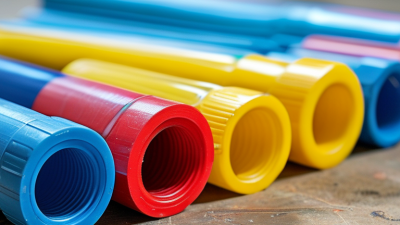
Plastic connectors are lightweight and affordable. However, they can become brittle over time, especially in extreme temperatures. A study by the Gardening Industry Association showed that nearly 30% of gardeners have experienced failure with plastic due to UV exposure. In contrast, brass connectors offer robustness and a longer lifespan. They are resistant to corrosion, making them ideal for varying climates. Yet, they tend to be pricier and heavier.
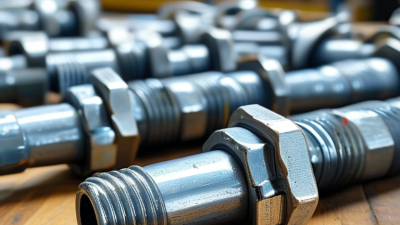
Stainless steel is also gaining traction due to its strength and aesthetic appeal. It resists rust and is often more durable than brass or plastic. According to market analysis from the Watering Solutions Institute, stainless steel connectors show a 15% longer lifespan in moist environments compared to brass. Nonetheless, stainless steel may not be necessary for every gardener. It warrants consideration for those investing heavily in their irrigation systems. Thus, evaluating personal needs before choosing a connector material is essential.
Industry Statistics: Common Issues and Failures in Garden Water Connectors
Garden water connectors are vital for effective irrigation. However, many users encounter common issues like leaks, clogs, and premature wear. Industry statistics indicate that a significant percentage of gardeners experience these problems, often leading to frustration and wasted resources. Understanding these failures can guide gardeners in selecting the most reliable connectors to meet their specific needs.
One common issue is leakages at connection points. These often arise from poor-quality materials or incorrect fitting. Regularly check your connections and look for signs of wear. It can save time and water.
Another prevalent challenge is clogs caused by dirt or debris. These can disrupt water flow and hinder irrigation efforts. To combat this, consider using filters at connector points to keep your system clean. A little maintenance goes a long way.
Choosing the right garden water connectors is crucial. Don’t just settle for the first option you see. Research different materials and designs to find what suits your garden best. This will result in fewer issues and a more efficient watering system.
Best Practices for Maintaining and Choosing the Right Garden Water Connectors
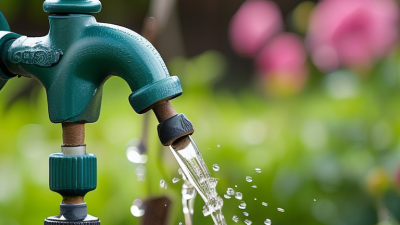
When selecting garden water connectors, consider both functionality and durability. The right connector should fit securely onto hoses and spouts. Look for materials that resist rust and wear over time. This choice ensures that they won't leak under pressure. A sturdy connector means fewer interruptions during watering.
Maintenance plays a crucial role in the lifespan of your connectors. Regularly check for lime buildup or debris. Clean connectors with a soft brush and soapy water. This simple step can enhance performance and extend usage life. Sometimes, connectors might wear down sooner than expected. This can happen due to frequent assembly and disassembly. Always have extras on hand, just in case.
Lastly, choose connectors that match your watering demands. Match the flow rate with the gardens' needs. Mistakes can lead to inefficient watering or wasted water. Reflect on your garden's requirements and reassess your choices periodically. A connector that worked last season might not be suitable now. Staying attuned to your gardening habits can lead to improvements.