2026 Top Plastic Hose Connector Trends for Global Buyers?
The market for Plastic Hose Connectors is evolving rapidly. According to recent industry reports, the global demand for these connectors is expected to grow at a CAGR of 5.6% from 2021 to 2026. Innovations in materials and designs are essential for meeting diverse industry needs.
Manufacturers are focusing on durability and flexibility. Trends show a move towards environmentally friendly solutions. Recent studies indicate that nearly 30% of buyers prioritize sustainable products. This shift reflects a larger industry trend emphasizing eco-conscious decisions.
The complexity of the global supply chain presents challenges too. Fluctuations in raw material prices can affect product availability. Buyers must remain vigilant regarding quality and performance. Exploring the latest trends in Plastic Hose Connectors can assist in making informed purchasing decisions.
Emerging Materials in Plastic Hose Connectors for 2026
The plastic hose connector industry is evolving. Emerging materials are set to redefine functionality and sustainability in 2026. New polymers are being developed to enhance durability. Innovations in bioplastics could also lead to more eco-friendly options.
One notable trend is the use of advanced thermoplastics. These materials offer better resistance to chemicals and temperature fluctuations. They can withstand harsh environmental conditions. Additionally, composite materials are gaining traction, combining various elements for superior performance.
However, challenges remain. The manufacturing processes for these new materials can be complex and costly. Not all manufacturers may have access to the latest technology. This raises questions about consistency and quality. As the industry moves forward, it will be crucial to balance innovation with practicality.
Innovative Design Features: What to Expect in Hose Connectors
The evolving landscape of hose connectors in 2026 showcases innovative design features that resonate with global buyers. A major trend is the emphasis on user-friendly interfaces. Connectors now often include ergonomic grips, enhancing ease of use. Users can connect and disconnect hoses without straining. This makes them ideal for diverse applications, from gardening to industrial use.
Another significant innovation is the integration of smart technology. Some connectors now feature built-in sensors. These sensors provide real-time feedback on water pressure and flow rates. This data can help users optimize their systems for efficiency. Additionally, materials used in these connectors focus on durability and resistance. Enhanced polymer blends resist wear and tear, extending the lifespan of connections.
Despite these advancements, some designs face challenges. Manufacturing inconsistencies can lead to quality control issues. Not every connector meets the promised standards. Buyers must remain vigilant, researching products thoroughly. Engaging with user reviews and expert insights can guide better purchasing decisions. The goal is to find reliable tools that deliver on their claims and meet practical needs.
Sustainability Trends Affecting Plastic Hose Connectors Market
The plastic hose connector market is witnessing significant shifts driven by sustainability trends. Environmental concerns are prompting manufacturers to rethink materials. Traditional plastics are under scrutiny for their environmental impact. Many companies are exploring biodegradable alternatives and recycled materials. These changes aim to reduce plastic pollution and improve product sustainability.
Consumer awareness is another vital factor. Buyers now prefer eco-friendly options. This change is pushing brands to be transparent about their sourcing and production processes. Certification programs for sustainable materials are gaining traction. However, there are challenges. Not all biodegradable options perform well under real-world conditions. This raises questions about reliability and longevity.
Additionally, balancing cost and sustainability remains complex. Many manufacturers face higher production costs when using sustainable materials. This can lead to increased prices for consumers. Manufacturers must innovate to find economically viable solutions. Sustainability in the plastic hose connector market requires careful consideration of multiple factors. There is still much to learn and improve upon.
Global Market Insights: Regional Preferences and Buyer Demands
Understanding regional preferences in the plastic hose connector market is crucial for global buyers. Different markets exhibit unique characteristics based on industries and climate. For instance, North America often favors durable materials that can withstand harsh conditions. In contrast, Europe tends to prioritize eco-friendly designs, reflecting a growing commitment to sustainability.
Buyers in Asia show a diverse range of demands due to varied industrial applications. Some regions prioritize cost-effectiveness while others focus on high performance. However, sourcing challenges arise from inconsistent quality standards. This variability can lead to buyer dissatisfaction.
Moreover, local regulations significantly impact preferences. For example, strict regulations in some regions may push buyers to seek connectors that meet specific safety standards. Others might favor products that enhance efficiency to comply with energy-saving initiatives. Buyers must navigate this complex landscape to make informed decisions. A deeper understanding of these dynamics leads to better purchasing strategies.
Technological Advancements Driving Plastic Hose Connector Sales
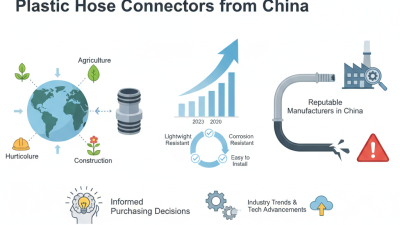
The landscape of plastic hose connectors is evolving rapidly due to technological advancements. These innovations are crucial for enhancing the performance and reliability of connectors across various industries. According to a recent market report, the global plastic hose connector market is projected to grow at a CAGR of 5.6% from 2023 to 2028. This growth is driven by increased demand for lightweight and corrosion-resistant connectors.
Modern manufacturing techniques, such as 3D printing and advanced polymers, improve the durability and flexibility of plastic hose connectors. With enhanced design capabilities, manufacturers can produce connectors that withstand high pressure and extreme temperatures. Optimization of these products leads to reduced maintenance costs and longer life cycles. However, quality control can be a challenge, and not all manufacturers meet the highest standards.
Tips: Ensure you choose connectors that meet industry certifications. This will guarantee reliability and safety in your applications. Regular inspections can also help spot potential issues before they escalate. As the market expands, staying informed about emerging trends is essential. Pay attention to innovations and adapt your purchasing strategies accordingly.