Why Choose Agricultural Water Sprinkler Systems for Your Farm?
Agricultural Water Sprinkler Systems play a crucial role in modern farming. These systems offer efficient ways to nourish crops and manage water resources. Farmers face many challenges, such as climate variability and water scarcity. Thus, selecting the right irrigation method is essential for maintaining productivity.
Using Agricultural Water Sprinkler Systems can enhance crop yields significantly. They deliver water evenly across fields, ensuring that each plant receives adequate moisture. This promotes healthy growth and reduces the risk of diseases. However, farmers must also consider installation and maintenance costs. Not every system is right for every farm.
Many farmers have found success with Agricultural Water Sprinkler solutions, but they also report challenges. Issues with clogging and uneven distribution can arise. These problems require careful attention and regular maintenance. Reflecting on these experiences can lead to better decision-making and optimized outcomes. Adopting agricultural technology is essential for future farming success, but it requires thoughtful consideration.
Advantages of Using Agricultural Water Sprinkler Systems on Your Farm
Agricultural water sprinkler systems are gaining popularity among farmers. These systems provide even water distribution across fields. This leads to healthier crops and better yields. Sprinklers can adapt to different types of terrain and crop needs. Farmers can save time and labor with an automated system.
Water conservation is another significant advantage. Sprinklers minimize water waste by targeting specific areas. This helps to reduce runoff and ensure water reaches the roots. Moreover, farmers can schedule watering during cooler parts of the day. This reduces evaporation and maximizes efficiency.
However, installing and maintaining these systems requires investment and knowledge. Some farmers may struggle with the technical aspects. They must understand soil types and water pressure. This knowledge is essential for optimal performance. Regular maintenance is crucial to prevent leaks and ensure longevity. Balancing benefits and challenges is key for success in agricultural watering.
Types of Agricultural Water Sprinkler Systems and Their Applications
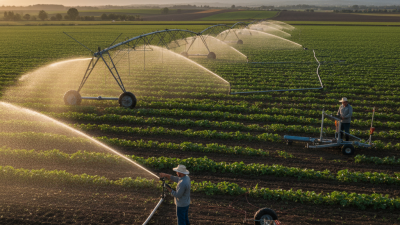
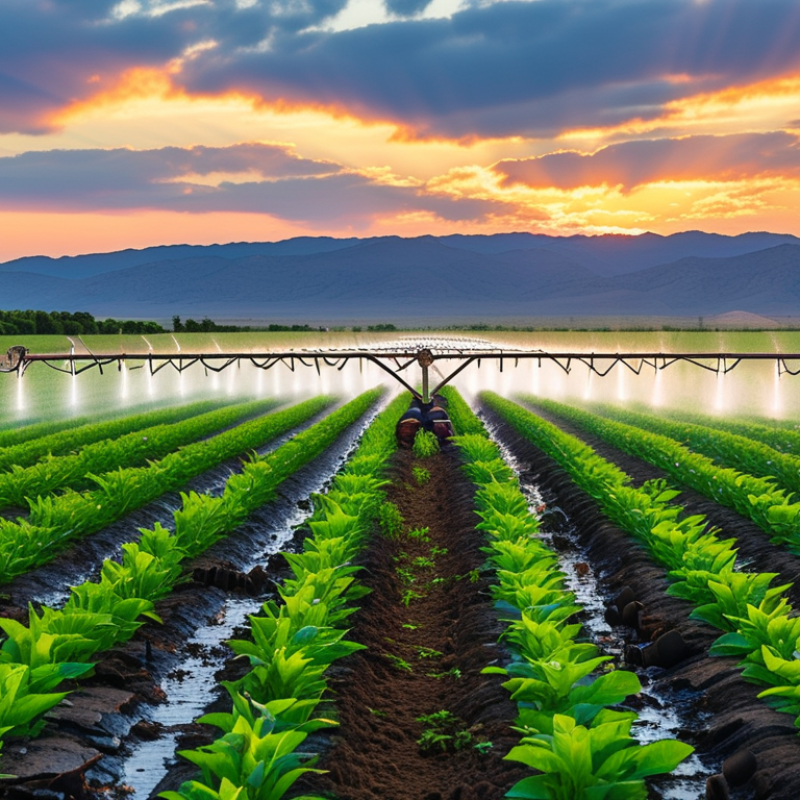
In the world of agriculture, water management is crucial. Sprinkler systems play a vital role in this area. There are various types of agricultural water sprinkler systems, each designed for specific applications. For instance, center pivot systems are ideal for large fields. They rotate around a central pivot, efficiently covering vast areas. They minimize water wastage and ensure uniform distribution.
Another effective option is the drip irrigation system. It delivers water directly to the plant roots. This reduces evaporation and runoff. However, it requires a higher initial investment. Timely maintenance is essential to prevent clogging. Many farmers find it challenging to manage these systems effectively.
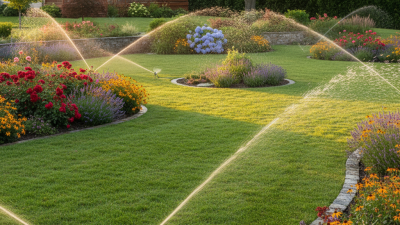
Toward smaller plots, stationary or portable sprinkler heads can be used. They are easier to set up, but less automated. Farmers may need to adjust them frequently, which can be time-consuming. Choosing the right system depends on many factors like crop type and field size. There's no one-size-fits-all solution, making it imperative for farmers to evaluate their unique needs. Making the right choice can significantly impact crop yield and water conservation.
Cost-Effectiveness of Sprinkler Systems Compared to Traditional Irrigation
When it comes to agriculture, efficient water usage is key. Sprinkler systems offer a cost-effective alternative to traditional irrigation methods. Research shows that farmers using sprinkler systems can save up to 30% on water usage. This efficiency not only conserves water but also reduces the overall costs associated with water procurement.
Moreover, the initial investment in sprinkler systems can be recouped quickly. A report from the American Society of Agricultural and Biological Engineers indicates that farmers can see a return on investment in as little as three years. This is noteworthy, especially when considering the costs of labor and maintenance associated with traditional irrigation. While some farmers may worry about the higher upfront costs, the long-term savings tell a different story.
The versatility of sprinkler systems also plays a significant role. They can adapt to various crop types and soil conditions. However, not all farms are suitable for sprinkler installation, given factors like terrain and existing infrastructure. Overall, this highlights the need for a careful assessment before making the switch. Striking a balance between initial costs and potential savings ensures that farmers are making informed decisions.
Why Choose Agricultural Water Sprinkler Systems for Your Farm? - Cost-Effectiveness of Sprinkler Systems Compared to Traditional Irrigation
| Irrigation Method |
Initial Setup Cost ($/acre) |
Annual Maintenance Cost ($/acre) |
Water Use Efficiency (%) |
Crop Yield Increase (%) |
| Traditional Flood Irrigation |
500 |
50 |
60 |
10 |
| Drip Irrigation |
1200 |
100 |
85 |
25 |
| Sprinkler Irrigation |
800 |
75 |
75 |
20 |
| Surface Drip Irrigation |
1500 |
120 |
90 |
30 |
Impact of Sprinkler Systems on Crop Yield and Soil Health
Agricultural water sprinkler systems play a vital role in enhancing crop yield and preserving soil health. Proper irrigation ensures that crops receive consistent moisture. This consistency leads to more robust growth and increased productivity. Sprinkler systems can efficiently distribute water evenly across the field, reducing runoff and ensuring that the soil retains its nutrients.
Healthy soil is crucial for sustaining crop production over time.
Maintaining soil health is key. Sprinkler systems help to avoid issues like erosion and salinity, which can arise with improper watering techniques. When water is applied evenly, plants can absorb nutrients more effectively. Moreover, proper moisture levels can reduce the risk of diseases caused by overcrowded water. A well-calibrated system enables farmers to optimize water usage, promoting healthier crops.
Tip: Regularly check your sprinkler system for clogs. Ensure that every plant receives adequate water. Inconsistent watering can lead to patchy growth and nutrient deficiencies.
Farmers should monitor soil moisture levels regularly. This practice will help gauge the effectiveness of irrigation methods. Overwatering can lead to problems like root rot. Balancing water supply is critical for long-term soil vitality and crop health.
Maintenance and Optimization Best Practices for Sprinkler Systems
Maintaining your agricultural water sprinkler system is crucial for optimal performance. Regular inspections can prevent costly breakdowns. Check for leaks, clogs, and worn-out components. A small leak can waste hundreds of gallons of water. Use a simple water pressure gauge to measure system efficiency.
Tips: Schedule inspections every season. Track changes in water distribution. Look for uneven wetness in your fields. This could indicate clogs or misaligned nozzles.
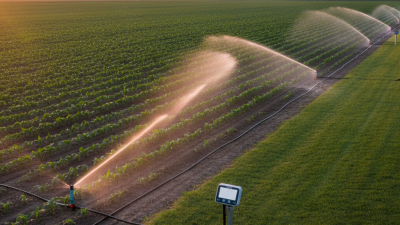
Optimization is another key aspect. Adjust your sprinkler settings based on crop needs and weather conditions. Too much water can harm crops and waste resources. Use moisture sensors to get accurate readings. These tools can help inform your watering schedule.
Tips: Fine-tune your system after each harvest. Evaluate whether different crops require varying amounts of water. Don’t ignore feedback from your team. Their observations can guide improvements. Consider that even the best systems may need re-evaluation as conditions change.