Best Water Sprinkler Solutions for Efficient Irrigation?
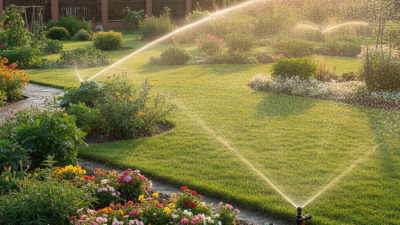
Efficient irrigation is crucial for sustainable agriculture and landscape maintenance. According to the USDA, over 80% of water consumption in the U.S. is used for irrigation. This highlights the importance of optimizing water usage. A well-chosen Water Sprinkler system can significantly reduce waste while ensuring crops and lawns receive adequate moisture.
Modern Water Sprinkler technology provides various options to enhance efficiency. Drip irrigation can cut water usage by up to 60%. Meanwhile, smart sprinkler controllers can adjust watering schedules based on weather data. However, the industry still faces challenges. Many systems are underused, leading to inefficient watering practices. This inconsistency often wastes both water and money.
As we explore the best Water Sprinkler solutions, it's essential to consider their design, functionality, and environmental impact. Reports indicate that 25% of households use outdated systems. Upgrading to efficient options not only conserves resources but also supports healthier plants. Understanding these aspects can lead to better choices for both home and commercial irrigation.
Understanding the Importance of Efficient Irrigation Systems
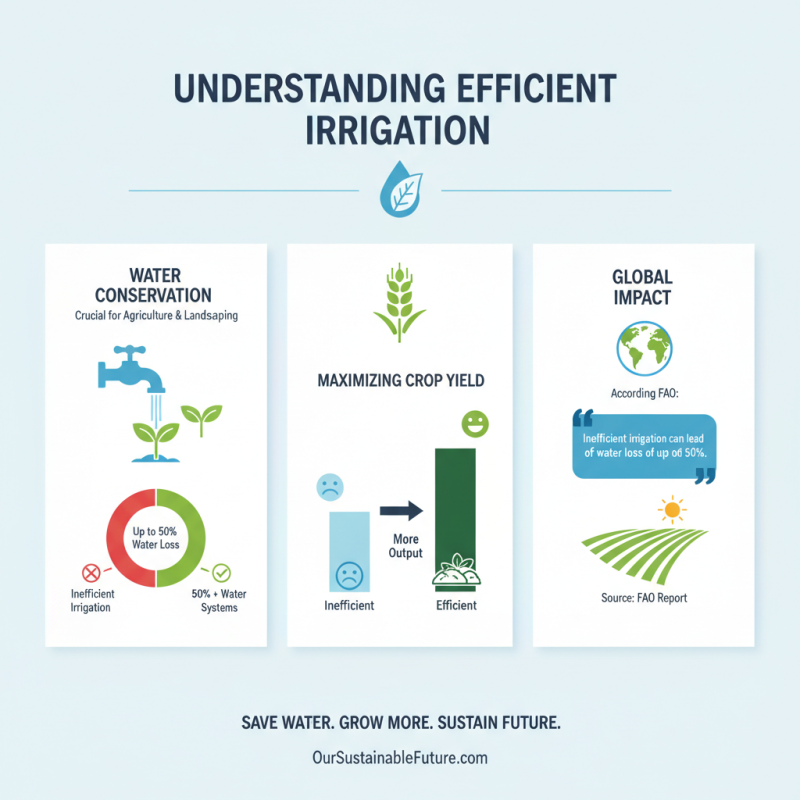
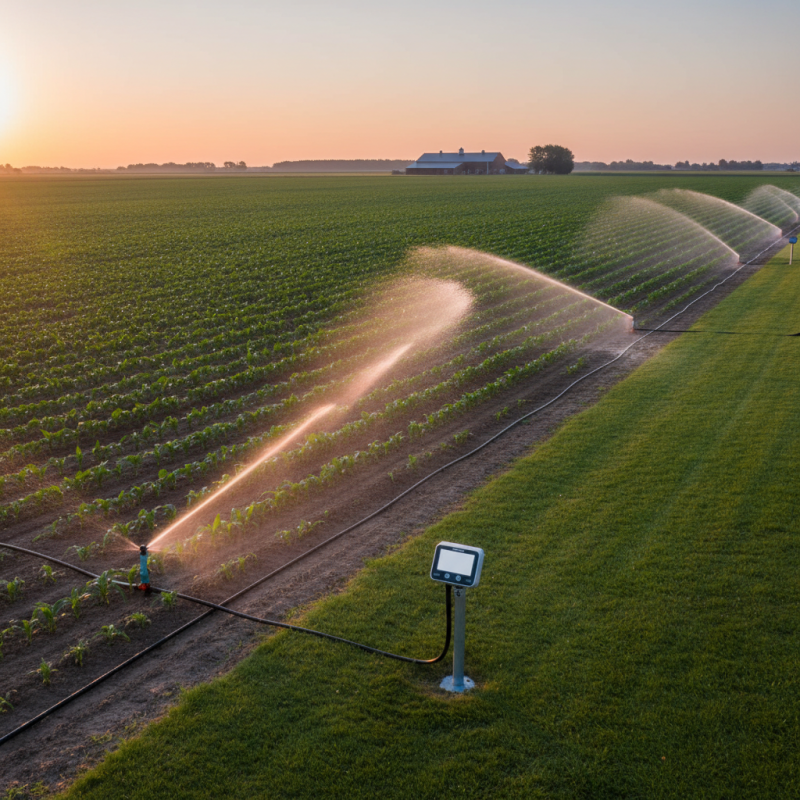
Efficient irrigation systems play a crucial role in agriculture and landscaping. They help conserve water while maximizing crop yield. According to a report by the Food and Agriculture Organization (FAO), inefficient irrigation can lead to water loss of up to 50%. This statistic highlights the need for effective solutions.
Proper irrigation technology is essential for sustainable practices. A study found that using drip irrigation can reduce water usage by 30-50% compared to traditional methods. This technique ensures that water reaches the roots directly, minimizing evaporation and runoff. As agriculture faces challenges with water scarcity, these systems provide a lifeline.
However, implementation is not always straightforward. Some farmers may struggle with initial costs and learning new methods. This can lead to underperformance and reluctance to adopt better practices. It's essential to weigh these challenges against long-term benefits. Improvements in technology continue to evolve, but awareness remains a critical hurdle. Investing in education around irrigation can enhance understanding and efficiency.
Types of Water Sprinkler Solutions for Different Applications
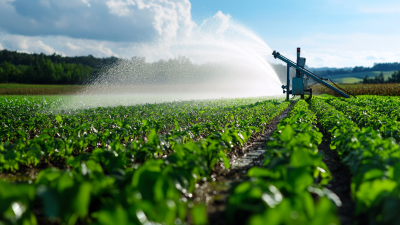
When selecting water sprinkler solutions, it’s important to recognize the different types available. Each type of sprinkler serves unique applications. For large areas like farms or parks, traveling sprinklers can efficiently cover vast spaces. They move along a preset path and distribute water uniformly. This design minimizes water waste and maximizes coverage.
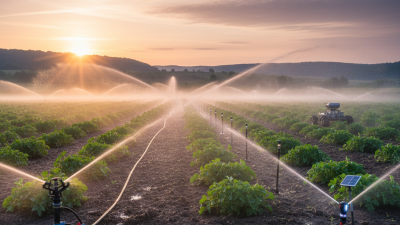
For residential gardens, drip irrigation systems are increasingly popular. These systems deliver water directly to the plant's roots, which enhances absorption. By using emitters placed at strategic points, gardeners can conserve water. It’s a smart choice for those looking to maintain lush gardens while being eco-friendly. However, installation may require careful planning to avoid clogs and ensure even distribution.
Finally, oscillating sprinklers work well for medium-sized lawns. They provide adjustable spray patterns and distances. Homeowners can adjust settings based on the zone being watered. This type can be less efficient if not properly set up. All these options require knowledge of your landscape to choose the best fit. A poor choice can lead to overwatering or under-watering, prompting further reflection on the systems in use.
Factors to Consider When Choosing a Water Sprinkler System
When selecting a water sprinkler system, a few critical factors come into play. Consider the size of your lawn or garden. Larger areas require powerful systems that cover more ground. Smaller spaces benefit from more targeted sprinklers. The water pressure in your area also matters. Check your home's water pressure to ensure effective sprinkler operation.
Tips for choosing the right system include understanding plant needs. Different plants require various amounts of water. Native plants often need less watering, which can guide your sprinkling choices. Additionally, examine the soil type. Sandy soils drain quickly, while clay retains water. This knowledge influences how often you should water.
Evaluate ease of installation and maintenance. Some systems are complex and may need professional help. Simpler systems can be managed by homeowners. Do not overlook the impact of climate. Hot, dry periods demand more water, while rainy seasons require adjustments. Your local weather patterns significantly affect your irrigation strategy. Always be prepared to adapt your system based on unexpected changes.
Best Water Sprinkler Solutions for Efficient Irrigation
| Type of Sprinkler |
Coverage Area (sq. ft.) |
Water Pressure (psi) |
Flow Rate (GPM) |
Efficiency Rating (1-10) |
| Oscillating Sprinkler |
3,500 |
30-50 |
2.0 |
8 |
| Rotary Sprinkler |
5,000 |
30-60 |
3.0 |
9 |
| Drip Irrigation |
1,000 |
15-30 |
0.5 |
10 |
| Spray Sprinkler |
2,500 |
20-40 |
1.5 |
7 |
Innovative Technology in Modern Water Sprinklers
Innovative technology in modern water sprinklers has transformed irrigation practices significantly. Recent studies highlight that smart sprinklers can reduce water usage by approximately 30%. These systems utilize weather data and soil moisture levels to optimize watering schedules. This results in more effective water management and promotes healthier plants.
Timers and sensors are now equipped with real-time analytics. This innovative feature allows users to monitor and adjust settings via apps. A 2022 report indicated that users experienced a 25% increase in irrigation efficiency. Such solutions enhance the user experience, but they come with a learning curve. Some users struggle to fully utilize these features.
Furthermore, the integration of artificial intelligence is gaining momentum. AI-driven sprinklers analyze data to predict the best watering times. However, not all regions have access to reliable internet needed for these advancements. There remains a gap in adoption, especially in rural areas. As the technology evolves, addressing these challenges is vital for widespread implementation.
Best Practices for Maintaining Your Water Sprinkler System
Maintaining your water sprinkler system is crucial for optimal performance. Regular checks can prevent major issues.
Inspect the sprinkler heads for clogs or damage. Dust, grass, and debris can obstruct water flow. Cleaning them ensures even irrigation across your garden. A simple rinse can work wonders.
Adjusting the sprinkler settings is also important. Ensure they cover the right areas. Sometimes, grass or plants grow into the spray path. This can lead to over-watering or under-watering in some zones. Reassess your system's layout once or twice a season.
Don’t forget about scheduling maintenance. Seasonal checks can help you spot leaks early. A small leak can waste a lot of water. Keep an eye on your water bills too. If you notice a spike, look into your system. Documenting these checks can lead to better care over time. Making regular maintenance a habit saves resources and promotes a healthy landscape.