Choosing the best Spray Water Gun in 2026 requires more than comparing bright colors and advertised shooting distance. A reliable choice should balance safety, grip comfort, water capacity, sealing quality, and age suitability. Small details matter. A rough trigger can hurt small fingers. A loose tank can soak a child’s clothes within seconds.
The U.S. Consumer Product Safety Commission estimated 231,100 toy-related emergency-room injuries in 2023, according to its Toy-Related Deaths and Injuries report. That figure covers all toys, not only water blasters, but it shows why product selection deserves attention. ASTM F963-23 also provides a recognized safety framework for toys sold in the United States. Buyers should check clear age labeling, smooth edges, durable plastic, and dependable pressure control. Extremely powerful performance is not automatically better.
Joan Lawrence, senior vice president of standards and regulatory affairs at The Toy Association, has said, “Safety is always the first consideration when choosing a toy.” Her point remains practical. A good Spray Water Gun should feel balanced when filled, not only when empty. Look for a wide handle, a simple pump, and a tank that opens without force. I would also question unsupported range claims. Marketing numbers can change with wind, water level, and pumping speed. In my view, the best model is the one children can operate comfortably, clean easily, and use responsibly around others. The perfect choice does not exist. Careful comparison still prevents disappointing purchases.
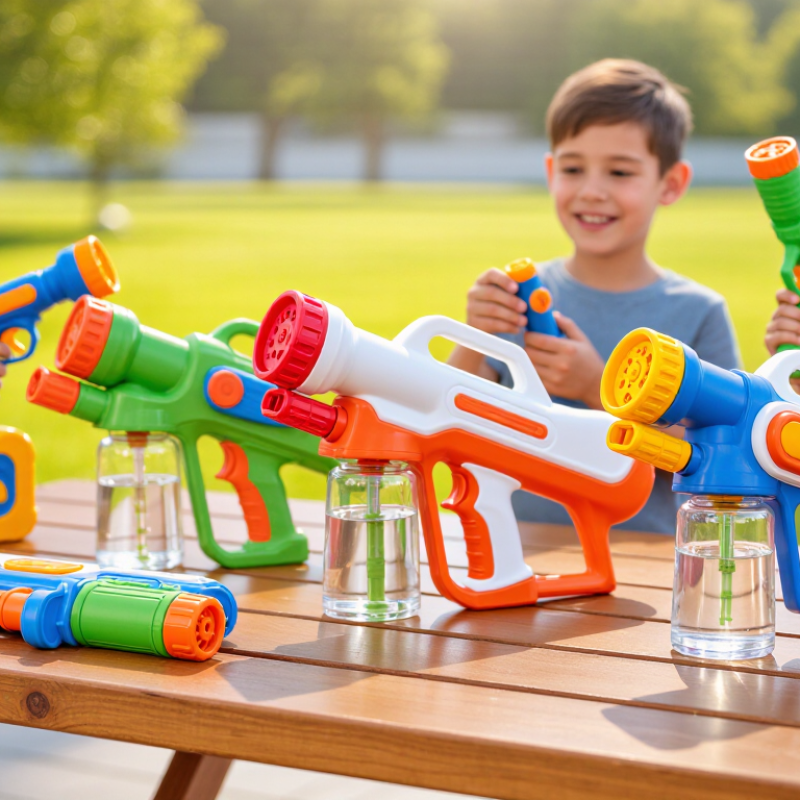
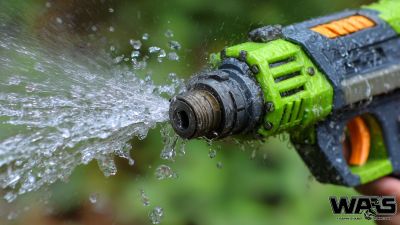
A spray water gun is a handheld nozzle that turns pressurized water into a controlled stream or spray. It usually contains a trigger, valve, internal passage, and adjustable outlet. When the trigger is pressed, the valve opens and allows hose water through. The narrow outlet increases the water’s velocity, creating a jet. Turning the head changes the opening, producing mist, fan spray, or a stronger stream.
The U.S. Environmental Protection Agency reports that a typical garden hose can deliver about 10 gallons of water per minute. Outdoor household use also represents more than 30% of residential water consumption in the United States, according to EPA WaterSense data. These figures make the trigger mechanism important. A model with a responsive shutoff can prevent water from running between tasks. I once assumed stronger pressure always meant better cleaning. That idea was too simple. Pressure, flow rate, spray pattern, and nozzle distance work together.
When choosing one in 2026, inspect the valve response and grip comfort before judging appearance. A metal or reinforced polymer body may tolerate frequent use, but construction quality varies widely. Look for a smooth trigger, secure hose connection, and clear spray settings. The Agricultural Engineers Association recommends matching nozzle output to the task rather than maximizing flow. A narrow stream may clean mud from paving, while a gentle fan spray suits seedlings. Small leaks matter, too. Test the connection for several minutes. A dry handle is reassuring, but not perfect evidence.
How to Choose the Best Spray Water Gun in 2026?
The best spray water gun depends on the work, not its appearance. For watering seedlings, choose a gentle fan or mist setting. It spreads water softly across fragile leaves and exposed soil. A narrow jet works better for rinsing muddy tools, patios, or bicycle frames. However, a powerful jet can disturb soil and damage delicate plants. Match the spray pattern to the surface.
For routine garden care, a trigger-style gun offers useful control and reduces wasted water. A rotating nozzle is practical when several patterns are needed quickly. Foam-producing models suit light vehicle cleaning, but they require compatible soap and steady water pressure. Check the connector size, operating pressure, and flow rate before buying. These details often matter more than extra settings.
I have found that grip comfort becomes important after ten minutes of watering. A textured handle, smooth trigger, and lockable spray can reduce hand fatigue. Look for corrosion-resistant metal parts and durable seals, especially in humid storage areas. Plastic can be lighter, but cheap plastic may crack during cold weather. That assumption was wrong for me once. Not every leak means poor construction; a worn washer may be the cause. Rinse the nozzle after muddy use, then store it away from direct sunlight. Also, never point a high-pressure stream at people, animals, or fragile glass. Feel matters.
A practical comparison of common spray water gun types for household, garden, cleaning, and light-duty outdoor applications.
| Spray Water Gun Type | Typical Spray Patterns | Typical Flow Rate* | Practical Reach* | Best Intended Use | Water Efficiency | Main Advantages | Main Limitations | Recommended Selection Criteria |
|---|---|---|---|---|---|---|---|---|
| Trigger Nozzle | Mist, cone, shower, and jet | About 4–12 L/min | About 3–7 m | Potted plants, flower beds, rinsing, and light cleaning | Good when used with a shut-off trigger | Lightweight, inexpensive, easy to control, and widely compatible with standard garden hoses | Limited reach and cleaning force; prolonged trigger use may tire the hand | Choose an adjustable pattern dial, comfortable grip, and a leak-resistant hose connection |
| Pistol-Grip Multi-Pattern Gun | Usually 5–10 patterns, including flat, shower, center, and mist | About 5–15 L/min | About 4–8 m | General garden watering, vehicle rinsing, patios, and household outdoor cleaning | Good to moderate, depending on the selected pattern | Versatile, ergonomic, and suitable for several everyday tasks | Plastic pattern selectors can wear; high-flow settings use more water | Look for a lockable trigger, metal or reinforced inlet, and clear pattern markings |
| Fire-Hose-Style Nozzle | Adjustable stream from wide spray to concentrated jet | About 10–25 L/min | About 6–12 m | Large lawns, driveways, decks, bins, and rapid rinsing | Moderate to low at high-flow settings | Strong stream, simple adjustment, and effective coverage over larger areas | Can damage delicate plants or surfaces if used too close; requires adequate water supply | Check maximum working pressure, inlet size, grip comfort, and corrosion resistance |
| Long-Reach Watering Wand | Gentle shower, fan, and soft cone spray | About 4–10 L/min | Reach extends about 50–100 cm from the handle; spray distance about 2–5 m | Hanging baskets, raised beds, borders, and watering plants without bending | Good for controlled, low-impact watering | Protects soil from erosion and helps reach difficult planting areas | Less suitable for heavy cleaning; long handles can feel unbalanced | Prioritize a soft shower head, lightweight shaft, balanced handle, and flow-control valve |
| High-Pressure Jet Wand | Narrow jet, pencil stream, or concentrated fan | About 6–15 L/min | About 8–15 m, depending on pressure and nozzle design | Mud removal, hard-surface rinsing, gutters, and targeted outdoor cleaning | Moderate; concentrated spray reduces coverage time but can use high flow | Long reach and strong impact on stubborn dirt | May strip paint, damage soft materials, or disturb soil and plants | Use only when the hose supply supports the required pressure; select adjustable pressure and spray angle |
| Foam-Cannon or Soap-Dispenser Gun | Foam, fan spray, and rinse stream | About 5–15 L/min | About 3–8 m | Vehicle pre-washing, outdoor furniture, bins, and washable surfaces | Moderate; detergent and rinse stages add water use | Applies cleaning solution evenly and reduces direct scrubbing | Needs compatible detergent, thorough rinsing, and regular reservoir cleaning | Check detergent adjustment, container capacity, chemical compatibility, and easy disassembly |
| Rotating Turbo Nozzle | Rotating concentrated jet | About 7–18 L/min | About 5–10 m | Hard patio stains, algae, concrete, stone, and heavily soiled surfaces | Moderate to low because of high-impact flow | Cleans hard surfaces quickly and distributes impact over a circular path | Unsuitable for most plants, wood, painted surfaces, and delicate finishes | Confirm pressure compatibility and keep a safe distance from fragile surfaces |
| Automatic Watering Pistol | Continuous shower, fan, or adjustable stream | About 4–12 L/min | About 3–7 m | Long watering sessions, larger gardens, and users who prefer reduced hand fatigue | Good when equipped with flow control | Lockable flow reduces the need to hold the trigger continuously | A continuous-flow lock can cause unintended water use if left open | Select a reliable lock mechanism, ergonomic handle, and clearly marked flow adjustment |
How to interpret the figures: Flow rate and reach are typical working ranges for hose-connected spray tools under ordinary residential water pressure. Actual performance varies with inlet pressure, hose diameter, nozzle setting, elevation, and connector restrictions.
Safety note: Begin with the widest, gentlest spray pattern and keep the nozzle farther from the surface when cleaning plants, wood, painted finishes, glass, or other delicate materials.
Pressure affects cleaning strength, but higher pressure is not always better. Compare the stated pressure range, not only the maximum number. A moderate setting can rinse muddy shoes without damaging delicate surfaces. I test the spray against a bucket and nearby wall before using it fully. It takes seconds. Check whether pressure stays steady when the trigger is partly open. Some models feel powerful at first, then weaken quickly. That detail is easy to miss.
Range depends on pressure, nozzle shape, hose length, and wind. A narrow jet may reach farther, while a wide spray covers garden beds more evenly. Measure the useful range outdoors, not in a showroom. Materials also matter during regular handling. Reinforced plastic keeps the tool light, while metal connections usually resist repeated tightening better. Look for smooth trigger movement, sealed joints, and a grip that remains comfortable when wet. I once chose a heavier tool because it felt stronger. After ten minutes, my hand disagreed.
Water flow shows how quickly the gun uses water. A high-flow setting may finish rinsing sooner, but it can waste water during small tasks. Compare flow rates at similar pressure settings. Otherwise, the numbers can mislead you. A rotating nozzle sounds useful, yet it may create uneven coverage. Read the adjustment marks, then test each pattern with a small container. Real use reveals flaws that specifications cannot. Keep expectations practical. No single setting handles every surface well.
How to Choose the Best Spray Water Gun?
Choosing a spray water gun should begin with comfort, control, and safe handling. After testing several designs, I look for a contoured grip that fits naturally in one hand. A rubberized surface helps when the handle becomes wet or soapy. Balanced weight also reduces wrist strain during longer cleaning tasks. Small details matter.
Control improves when the trigger responds smoothly without excessive force. A thumb-operated flow switch can adjust water output without changing your grip. Adjustable spray patterns are useful for rinsing, watering, and removing surface dirt. The trigger should stop water quickly after release. A locking mechanism can prevent accidental spraying during storage. I prefer clear controls, although I once chose a model with confusing symbols. That mistake made routine work slower.
Safety depends on pressure management and dependable connections. Check the stated pressure range before attaching the spray water gun to a hose system. A secure connector should resist leaking, twisting, and sudden separation. Durable materials should tolerate outdoor moisture, but no material lasts forever without care. Rinse away grit after use and store the tool out of direct sunlight. Before buying, compare independent user reports with the manufacturer’s specifications. Expert advice helps, but real handling experience often reveals awkward triggers or slippery grips. A perfect design may not exist.
Feature impact scores show how strongly each practical design feature supports comfort, control, and safety during regular garden and cleaning use. Higher scores indicate greater selection priority.
Look for a low-force trigger and padded grip to reduce hand fatigue, adjustable spray control for accuracy, and safety-focused features such as trigger locks, pressure regulation, and anti-slip surfaces.
2026 How to Choose the Best Spray Water Gun?
How to Select, Use, and Maintain the Best Spray Water Gun
Choosing a spray water gun starts with the task, not the appearance. A gentle mist suits seedlings, while a stronger stream removes soil from paving. Look for several spray patterns, a comfortable grip, and a smooth trigger. A built-in flow control helps reduce wasted water. Check the connector carefully. It should fit your hose without wobbling or leaking. Durable plastic keeps the tool light, while metal components may tolerate rougher handling. However, heavier does not always mean better. Your hand will notice after ten minutes.
Before spraying, inspect the washer and tighten the hose connection by hand. Open the water slowly and test the pattern away from people, pets, and fragile plants. Use a fan spray for leaves and a focused stream for outdoor surfaces. Keep the nozzle moving across the area. Staying in one spot can disturb soil or damage soft materials. I once selected a gun with a stiff trigger because it looked powerful. That choice was wrong. My hand became tired quickly, and control suffered.
After use, release the water pressure and rinse dirt from the nozzle. Wipe the handle and store the gun under cover. During cold weather, drain remaining water to reduce internal damage. Examine the washer regularly for flattening or cracks. Replace worn parts before leaks become constant. A small leak seems harmless, but it can make the handle slippery and waste water. Testing the tool every few weeks is useful, although I sometimes forget. That habit still needs improvement.