Top 5 Splitter Hose Tips for Efficient Use and Maintenance?
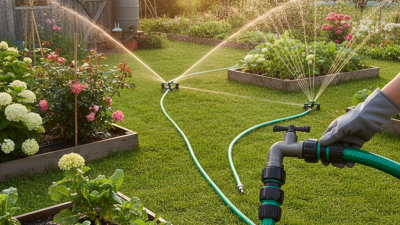
When it comes to gardening and irrigation, using a "Splitter Hose" effectively can significantly enhance your experience. These hoses allow multiple connections to a single water source, offering versatility for watering various plants at once. However, many users are unaware of how to maximize their efficiency.
Proper maintenance and appropriate usage are crucial for the longevity of your splitter hose. Without adequate care, issues can arise, such as leaks or reduced water flow. By employing some best practices, gardeners can avoid these common pitfalls. For instance, ensuring regular cleaning and being mindful of temperature changes can prolong the life of your equipment.
In this guide, we will explore the top five tips for efficient use and maintenance of splitter hoses. These insights aim to help you achieve the best watering results while also reflecting on common mistakes that might impede your gardening efforts. Engaging with these tips can lead to a smoother, more effective watering routine.
Understanding Splitter Hoses: Types and Functions
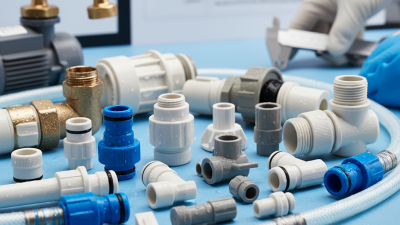
Understanding splitter hoses is essential for efficient watering and maintenance. These hoses are designed to distribute water across multiple areas simultaneously. There are several types, such as Y-shaped and T-shaped splitters, each serving different needs. A Y-shaped splitter is ideal for simple tasks, while a T-shaped design suits complex setups. Knowing these types helps in selecting the right one for your garden or irrigation system.
Proper maintenance of splitter hoses can prevent common issues. Leaks can develop if the hose is not fitted correctly. Regularly checking connections ensures they remain tight. Another consideration is hose material; some are more durable against UV rays and weather elements. Using high-quality hoses can reduce the need for frequent replacements. It's important to inspect for wear and tear periodically, especially after seasons of heavy use. Addressing minor issues early can save money and effort later on.
Identifying Signs of Wear and Tear in Splitter Hoses
Identifying signs of wear and tear in splitter hoses is crucial for maintaining efficiency. When you notice cracks, leaks, or bulging areas, it’s time to inspect the hose closely. These issues can lead to reduced water flow and waste, impacting your overall gardening efforts. A worn-out hose may also become less flexible, making it harder to maneuver.
Regular checks are essential. Look for discoloration or stiffness in the material. A hose that feels brittle is likely nearing the end of its lifespan. Small leaks may seem insignificant, but they can quickly turn into larger problems. If you see any drips, replace the hose before it fails completely.
Here are some practical tips for maintenance. Use clamps to secure connections and prevent leaks. Store hoses out of direct sunlight to avoid UV damage. Strong sunlight can accelerate wear, leading to costly replacements. Additionally, clean the hoses regularly to prevent dirt buildup, which can also cause deterioration over time. Stay proactive; paying attention to these details can save you from headaches in the future.
Top 5 Splitter Hose Tips for Efficient Use and Maintenance
| Tip |
Description |
Signs of Wear and Tear |
| Regular Inspection |
Check hoses for cracks, leaks, and abrasions. |
Visible cracks or damp spots around connections. |
| Proper Storage |
Store hoses away from direct sunlight and extreme temperatures. |
Deformation or fading of hose material. |
| Use of Hose Clamps |
Secure connections with hose clamps to prevent leaks. |
Loose or missing clamps causing disconnections. |
| Avoid Kinks |
Do not bend hoses sharply; this damages internal structure. |
Kinks or bulges indicating internal damage. |
| Replace When Necessary |
Timely replacement of hoses showing severe wear ensures efficiency. |
Severe cracks, discoloration, or leaks at multiple points. |
Best Practices for Cleaning and Maintaining Splitter Hoses
Maintaining splitter hoses is essential for longevity and performance. Regular cleaning is one of the best practices to ensure they function effectively. Use mild soap and water for cleaning. Avoid harsh chemicals that can degrade the material. Rinse thoroughly to prevent any soap residue from affecting the hose.
Inspect the hoses for any signs of wear or damage. Look for cracks, leaks, or dents. Even small issues can lead to bigger problems later. Addressing these concerns early helps avoid costly replacements. Store hoses in a cool, dry place when not in use. Exposure to extreme temperatures can weaken them over time.
Consider using filters to keep debris out of the hoses. This can extend their lifespan and improve efficiency. After each use, make it a habit to remove and clean any attachments. It's often the small details that lead to better maintenance. Reflecting on your cleaning routine can also highlight areas needing improvement. Consistency is key.
Tips for Proper Installation and Secure Connections
Proper installation of splitter hoses is crucial for optimal function and longevity. Start by ensuring the hoses are cut evenly. Uneven edges can lead to leaks. When connecting, push the hose firmly onto the splitter's fitting. Use a hose clamp for an extra layer of security. This simple step can prevent accidental disconnections, especially under pressure.
Secure connections also depend on the right fittings. Choose the correct size to ensure a snug fit. Loose connections can compromise flow efficiency and create weak points. Regularly check for signs of wear or damage. A small crack might seem inconsequential, but it can escalate into a significant issue over time. Always be proactive in your maintenance approach.
Don’t ignore the importance of thorough cleaning. Residue buildup can obstruct flow and affect performance. Rinse out hoses after each use to maintain optimal efficiency. Remember, even minor missteps in installation or maintenance can lead to frustrating malfunctions. Taking time to ensure accuracy can save headaches later.
Enhancing Durability: Choosing the Right Materials for Splitter Hoses
When it comes to choosing materials for splitter hoses, durability is key. Different materials provide varying levels of strength and flexibility.
Rubber and PVC are common choices. Rubber offers excellent resistance to abrasion and high temperatures.
PVC, however, is lightweight and resistant to chemicals but may wear down faster under extreme conditions.
Consider the environment where the hoses will be used. For outdoor applications, UV resistance is crucial. Hoses exposed to sunlight can degrade faster if not made of appropriate materials.
Reinforced hoses can also be a good choice for heavy-duty tasks. They typically feature layers that enhance strength and longevity.
Maintenance plays a vital role in the lifespan of your hoses. Regular inspection for wear or leaks is essential. Even the best materials can fail if not properly cared for.
Using the right connectors can prevent unnecessary stress on hoses. Pay attention to bends and twists; excessive strain can lead to premature damage. It's important to acknowledge that no material is perfect.
Each has its pros and cons, and understanding these aspects can lead to more informed choices.