Top 10 Plastic Hose Connector Options for Global Buyers?
In the global marketplace, the demand for reliable and durable Plastic Hose Connectors has surged. According to a recent industry report by MarketsandMarkets, the plastic hose connector market is projected to reach $2.5 billion by 2025, with a compound annual growth rate (CAGR) of 5%. This growth reflects the increasing applications in agriculture, construction, and various industrial sectors.
Plastic Hose Connectors play a crucial role in ensuring fluid transfer in numerous applications. Their adaptability and resistance to corrosion make them invaluable in many scenarios. However, selecting the right type can be challenging given the plethora of options available. Some connectors may not withstand extreme temperatures or high pressures, leading to potential failures.
Investors and buyers must consider several factors, including material quality and compatibility with different hose types. It's essential to focus on the performance and reliability of each connector to avoid costly replacements. As the industry evolves, having accurate information can empower buyers to make informed decisions when selecting the best Plastic Hose Connector for their specific needs.
Types of Plastic Hose Connectors Suitable for Global Markets
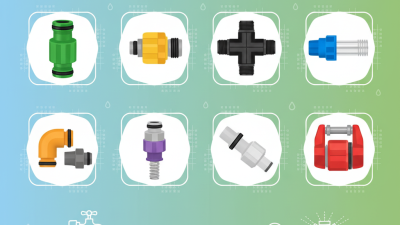
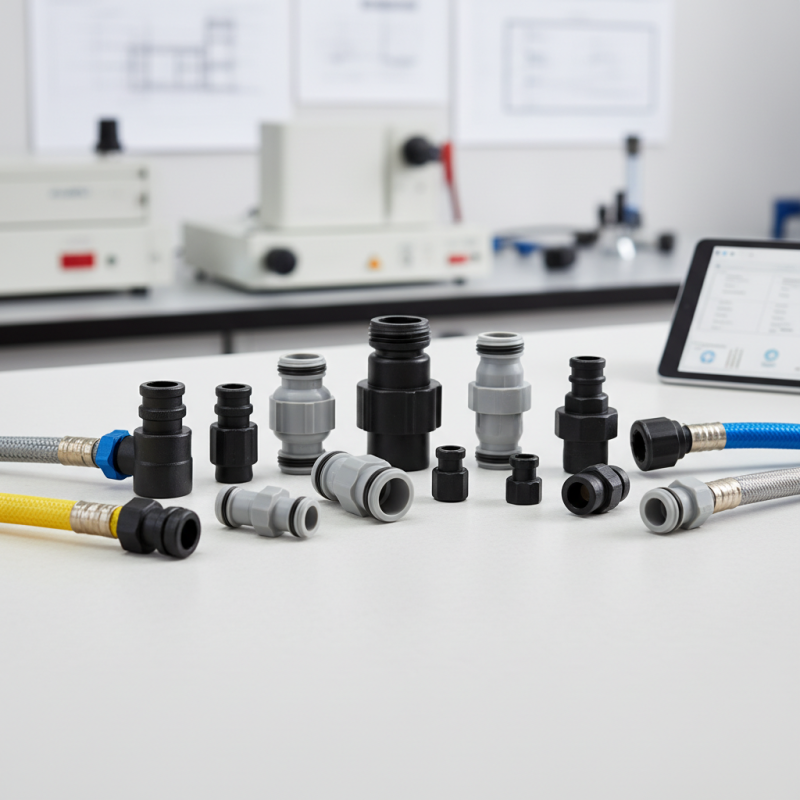
When considering plastic hose connectors, diverse designs cater to various global markets. One popular option is barbed connectors. These are easy to install and offer secure connections. They are suitable for a range of applications, from garden hoses to commercial setups. However, users must ensure the sizes match to avoid leaks.
Another type is threaded connectors. These provide a strong, leak-proof seal when properly tightened. Industries like agriculture and construction often rely on these. It's essential to regularly check the threads for wear and tear. Regular maintenance can prevent failures during critical operations.
Quick disconnect connectors also serve many needs. They allow for easy attachment and detachment of hoses without mess. Such connectors thrive in equipment needing frequent hose changes. However, users should beware of compatibility issues. Not all connectors fit all hoses. This can lead to frustrating situations, particularly in urgent contexts. Understanding each type of connector is vital in crafting effective solutions for specific projects.
Key Features to Consider When Choosing Plastic Hose Connectors
When selecting plastic hose connectors, buyers should consider several key features that impact performance and durability. Material quality is essential. High-grade plastics, such as PVC and polycarbonate, offer better resistance to UV light and chemicals. According to a report by the American Society of Plastic Engineers, using high-quality materials can enhance lifespan by up to 30%.
The size and compatibility of connectors are also critical. Ensure the connectors match hose diameters accurately. Misfits can lead to leaks or failures. Based on industry data, approximately 25% of hose failures are due to improper connections. Users should check specifications meticulously.
Lastly, ease of installation is often overlooked. Connectors that allow quick assembly without specialized tools can save significant time and labor costs. Research shows that efficient connectors can reduce setup time by nearly 40%. As buyers navigate various options, they should weigh these factors carefully and reflect on their specific needs in a practical context.
Top Manufacturers of Plastic Hose Connectors Worldwide
Plastic hose connectors play a vital role in various industries, including agriculture, plumbing, and manufacturing. The demand for these connectors is steadily increasing, driven by the growth of the global gardening and irrigation sectors. According to a recent industry report, the plastic hose connector market is projected to grow by 5.8% annually through 2025. This growth presents opportunities for buyers to explore various manufacturing options worldwide.
Leading manufacturers of plastic hose connectors are focusing on innovative designs and materials. They aim to improve durability and reduce environmental impact. Some companies utilize advanced polymers that enhance performance under extreme conditions. However, not all manufacturers consistently achieve these goals. Quality can vary significantly across different suppliers, making it crucial for buyers to vet options thoroughly before making decisions.
In regions like North America and Europe, regulations on material sustainability are influencing production practices. Many manufacturers are adapting to these standards by investing in research and development. As a result, buyers can expect to see more environmentally friendly options entering the market. Challenges remain, however, as some manufacturers struggle with supply chain issues. This can impact availability and pricing, complicating the buying process for global customers.
Top 10 Plastic Hose Connector Options for Global Buyers
| Connector Type |
Material |
Diameter (mm) |
Pressure Rating (bar) |
Temperature Range (°C) |
Applications |
| Barbed Connector |
Polypropylene |
10 |
6 |
-20 to 80 |
Water Transfer |
| Screw Connector |
PVC |
15 |
8 |
-10 to 60 |
Irrigation |
| Quick Connect |
Nylon |
20 |
10 |
-5 to 70 |
Air & Liquid |
| Camlock Connector |
Polyethylene |
25 |
5 |
0 to 60 |
Chemical Handling |
| Threaded Connector |
Polyamide |
12 |
7 |
-20 to 80 |
HVAC Systems |
| Barbed Tee Connector |
Acrylonitrile Butadiene Styrene |
10/10/10 |
6 |
-20 to 60 |
Irrigation |
| Plastic Snap Fit Connector |
Polypropylene |
15 |
8 |
-10 to 80 |
General Fluid Transfer |
| Flexible Hose Connector |
Elastomer |
20 |
4 |
-30 to 50 |
Pneumatic Systems |
| Push-Fit Connector |
PC (Polycarbonate) |
12 |
5 |
-20 to 70 |
Oil & Gas |
| Dual-Purpose Hose Connector |
Nylon |
10 |
6 |
-10 to 80 |
Irrigation and Pressure Systems |
Comparative Analysis of Plastic Hose Connectors by Application
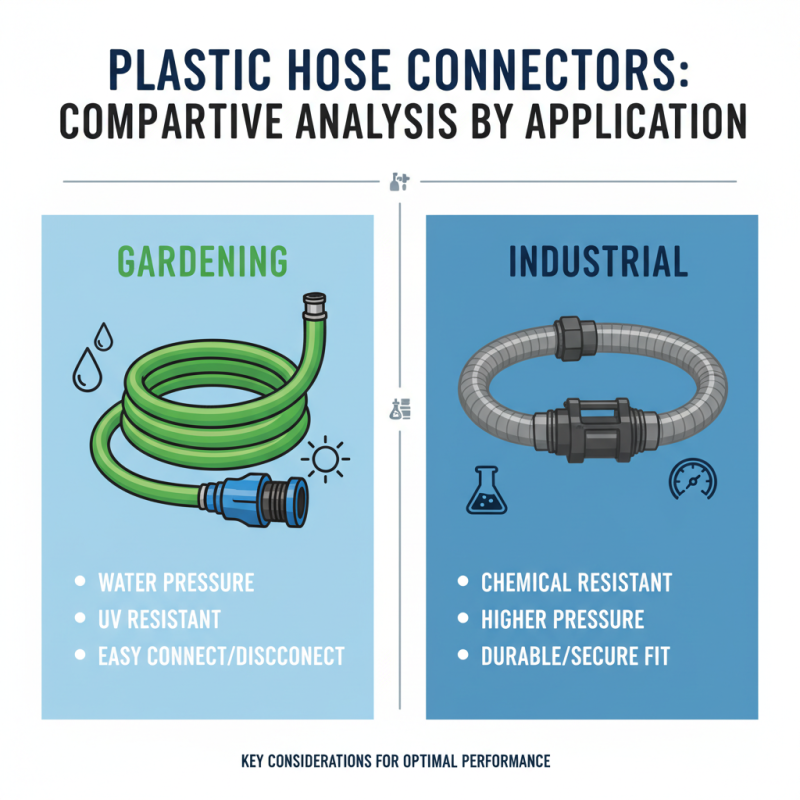
When selecting plastic hose connectors, it’s essential to consider application-specific needs. Different environments require varied connector specifications. For gardening, connectors must withstand water pressure and UV exposure. Those used in industrial settings should handle chemicals and higher pressures.
Material choice plays a pivotal role. Some plastic connectors are made from PVC, while others may use polypropylene. PVC connectors are suitable for general purposes, but they may not fare well under extreme conditions. Polypropylene tends to offer better resistance to both chemicals and extreme temperatures. Each material has its strengths and weaknesses, which must be evaluated carefully.
Installation methods vary, too. Push-fit connectors provide ease of use, while threaded connectors ensure a more secure fit. However, installation mistakes can lead to leaks or disconnections. Users should follow guidelines carefully. Maintenance is often overlooked, but regular checks on connectors can prevent issues in the long run. Choosing the right plastic hose connector involves understanding specific application requirements, considering material durability, and ensuring proper installation. This thoughtful approach can significantly enhance performance and lifespan.
Market Trends and Innovations in Plastic Hose Connector Industry
The plastic hose connector industry is witnessing significant transformation driven by innovation. Recent market reports highlight a projected growth rate of 5.2% annually through 2027. This trend is primarily fueled by increasing demand in agriculture and irrigation sectors. The need for efficient water management systems is urging manufacturers to develop high-quality connectors that withstand extreme environmental conditions.
Sustainability plays a crucial role in shaping this market. Manufacturers are now focusing on biodegradable materials to reduce environmental impact. Reports indicate that eco-friendly connectors could capture up to 30% of the market by 2025. However, many companies are still in the early stages of incorporating these materials. This creates a gap between promising innovation and practical implementation.
Despite advancements, challenges remain. Issues like inconsistent quality and compatibility with existing systems cause frustration for users. The industry must address these reliability concerns. Feedback loops among manufacturers and users can help identify pain points. Annual surveys reveal that user satisfaction is often linked to both product performance and customer service.
Top 10 Plastic Hose Connector Options - Market Trends
This chart illustrates the market share percentage of the top 10 plastic hose connector options utilized worldwide. PVC connectors lead the market with 25%, reflecting consumer preference for its versatility and durability, closely followed by PP and PE connectors.