Leave Your Message

Top Hose Connector Types for Global Buyers

For global buyers, choosing a Hose Connector is more than matching two thread sizes. It affects fluid safety, installation time, maintenance cost, and equipment performance. A connector may look simple on a product page. In practice, pressure, temperature, media compatibility, vibration, and cleaning methods can change the right choice. Small details matter. A stainless-steel coupling may suit washdown equipment, while a brass fitting may serve a controlled water application. Plastic options can reduce weight, but they require careful review of heat and chemical exposure.

This guide introduces common Hose Connector types used in industrial, agricultural, automotive, plumbing, and commercial systems. Readers will encounter threaded connectors, quick couplings, barbed fittings, camlock couplings, push-to-connect designs, and flange-based connections. Each type offers practical strengths and limitations. Quick couplings can speed servicing. Barbed fittings often need secure clamps. Camlocks support frequent connection changes, but their sealing condition deserves attention.

Reliable purchasing begins with verified specifications, not attractive photographs. Buyers should compare nominal size, working pressure, temperature range, sealing material, connection standard, and certification requirements. They should also confirm whether dimensions follow BSP, NPT, metric, or another regional system. A mismatch can cause leakage, rework, or an expensive production delay.

Supplier experience remains valuable. Ask for material certificates, pressure-test records, drawings, and traceable batch information when necessary. Field feedback helps too. However, no connector is universally best. A fitting selected for clean water may fail in oil service or abrasive slurry. That point is easy to overlook. This overview supports careful comparison rather than promoting one product. Site conditions and local standards still require confirmation before approval.
Top Hose Connector Types for Global Buyers

What Hose Connectors Are and Why Their Types Matter

Hose connectors are fittings that join a hose to equipment, another hose, or a fixed pipe. They guide flow while resisting leakage, movement, pressure, and vibration. A connector may look simple, but its thread, seal, and locking method control system safety. During equipment inspections, technicians often find the hose is sound while the connector is poorly matched. That small mismatch can cause drips, abrasion, or sudden separation.

Connector types matter because applications rarely share the same demands. Threaded connectors suit fixed assemblies and offer precise, compact installation. Barbed connectors grip flexible tubing with a clamp, making them practical for lower-pressure service. Quick-connect couplings support frequent changes, such as cleaning lines or mobile tools. Cam-lock designs connect larger hoses rapidly without wrenches. Flanged connections suit heavy-duty layouts where alignment and bolted strength matter. Each type has limits. A quick connector may save time but still fail under unsuitable pressure or heat.

Global buyers should check thread form, nominal size, working pressure, temperature range, and fluid compatibility. Seal material matters too; water, oil, and air can affect it differently. Request dimensional drawings and test records, not only catalog photographs. Verify locking sleeves, gasket seating, and hose-wall support before purchase. One recurring mistake is choosing by diameter alone. It feels efficient, but it ignores surge pressure and bending loads. I would also review installation instructions with the actual hose, because a technically correct fitting can still perform poorly when clamped unevenly. Field conditions often expose assumptions that a datasheet misses.
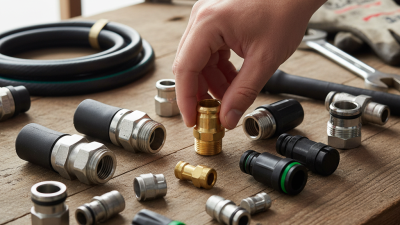
How Connector Designs Differ by Hose, Thread, and Connection Method

Top Hose Connector Types for Global Buyers

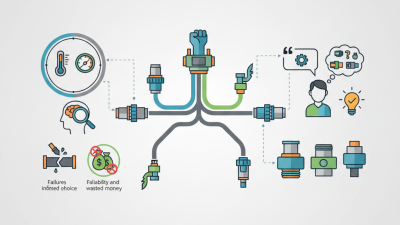
Connector selection begins with the hose itself. A soft PVC hose often uses a barbed connector and clamp. Reinforced hydraulic hose usually requires a crimped sleeve and verified ferrule. Rubber suction hose may need a cam-lock coupling for quick removal.

A perfect-looking fit can still leak. Field technicians should check the hose inner diameter, wall thickness, working pressure, and temperature range before assembly.

Thread design creates another difference. NPT threads use a tapered profile common in North America. BSP threads are widely used across Europe, Asia, and many industrial markets. Metric threads appear frequently in machinery and mobile equipment. These systems are not automatically interchangeable.

Forced engagement can damage threads and distort sealing surfaces. A recent industrial hose market report from Grand View Research projects steady growth through 2030, with demand linked to manufacturing, construction, and fluid-transfer equipment. That growth increases the need for clearer cross-border specifications.

Connection method also affects service time. Quick-connect couplings reduce maintenance delays, while permanent crimped connections generally offer stronger vibration resistance.

Push-to-connect fittings suit clean, low-pressure pneumatic lines, but they need accurate tube preparation.

ISO 4413 recommends controlling hydraulic system safety, pressure, and assembly practices. SAE J517 and ISO 18752 also provide useful hose performance references.

In practice, buyers should request pressure-test records, material certificates, thread gauges, and documented torque values. We sometimes overlook installation space. That mistake remains expensive.

The Main Hose Connector Types Used in Global Applications

Top Hose Connector Types for Global Buyers

The main hose connector types serve different pressures, fluids, and installation conditions. Threaded connectors provide a firm seal for pipes, pumps, and fixed equipment. They may use tapered or parallel threads, so matching standards is essential. A small thread mismatch can cause leakage.

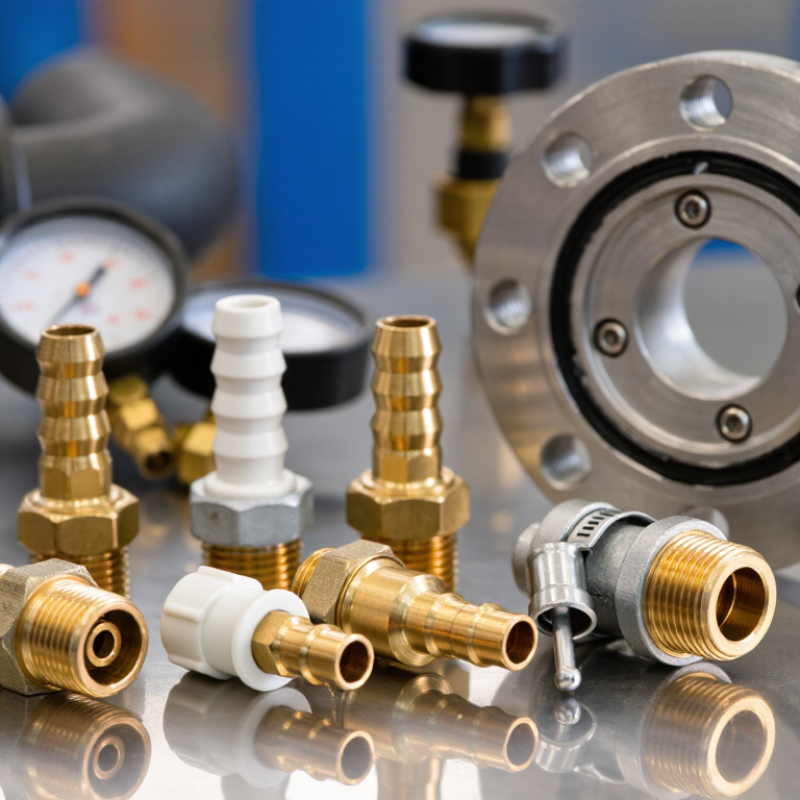
Quick-connect couplings support frequent hose changes in workshops, irrigation systems, and mobile equipment. Camlock connectors allow fast, tool-free assembly for liquid transfer. Barbed connectors fit flexible hoses and usually require clamps for reliable retention. Push-to-connect fittings save installation time, but they need clean, correctly sized tubing.

Flanged connectors suit large hoses, high flow rates, and systems requiring strong mechanical support. Their gaskets must match the transported medium and operating temperature. In field inspections, technicians often check abrasion, twisting, corrosion, and seal compression before approving a connection. Material choice matters too. Stainless steel resists many harsh environments, while reinforced polymers reduce weight and handling effort. However, neither option fits every application.

Buyers should confirm working pressure, temperature range, hose inner diameter, connection standard, and fluid compatibility. Local standards can differ across regions. A fitting accepted in one market may require an adapter elsewhere. This detail is easy to overlook. Cost comparisons should include clamps, gaskets, adapters, and maintenance access. A cheaper connector can become expensive when replacement requires shutting down the entire line. Testing under actual service conditions remains wise, because catalog specifications rarely reveal every installation problem.

How to Match Connectors with Materials, Sizes, and Pressure Ratings

Top Hose Connector Types for Global Buyers
How to Match Connectors with Materials, Sizes, and Pressure Ratings

Choosing a hose connector starts with the fluid, not the fitting shape. Water systems may suit brass, stainless steel, nylon, or polypropylene connectors. Chemical fluids require a compatibility check for both the connector and sealing material. Temperature can change that decision. A seal that works at room temperature may harden near a heat source. Check the technical datasheet and chemical-resistance information before purchasing.

Measure the hose inside diameter, outside diameter, and wall thickness. Do not trust the nominal size alone. A connector can look correct but still leak under movement. Match the fitting end to the connection standard, such as threaded, barbed, quick-connect, or flanged. Thread pitch and sealing method must also agree. In field inspections, a small mismatch often causes more trouble than visible damage.

Pressure ratings need careful comparison. Use the lowest rated component in the assembly, including the hose, connector, clamp, and valve. Allow for pressure surges, vibration, and operating temperature. A connector rated for 10 bar at room temperature may require a lower working limit when heated. I have seen catalog matches fail because surge pressure was ignored. That detail deserves a second check. Request batch information, test records, and dimensional drawings from the supplier. These documents improve traceability, although they cannot replace a practical fit test.

What International Buyers Should Check Before Placing an Order

Top Hose Connector Types for Global Buyers

International buyers often compare camlock, threaded, quick-connect, barb, and flanged hose connectors. The correct type depends on hose size, working pressure, fluid, temperature, and connection frequency. A quick-connect fitting suits frequent changes, while a flanged connector supports larger industrial lines. Threaded fittings can be practical, but thread standards must match exactly. A small mismatch can cause leakage or installation delays.

Before placing an order, request a technical drawing with dimensions, thread details, sealing surfaces, and tolerance data. Confirm the connector material against the conveyed fluid. Stainless steel, brass, reinforced plastic, and plated steel perform differently in corrosive or outdoor environments. Check pressure ratings at the actual operating temperature, not only at room temperature. Ask for inspection records, material certificates, and batch traceability. These documents make quality claims easier to verify.

Tips:

Send a real hose sample or precise measurements. Confirm the port standard in writing. Ask for a pre-production sample when the fitting is customized. Review packaging for moisture protection and clear identification. Check minimum order quantities, lead time, spare seals, and export documents before payment. Do not rely only on product photos. They hide thread depth and sealing details. Even experienced buyers occasionally overlook gasket compatibility. That mistake can become expensive. A final technical review by the installer is worth the extra day.