Top 10 Garden Watering Tools Every Gardener Should Know About
When it comes to maintaining a vibrant and flourishing garden, having the right tools at your disposal is essential. Among the myriad of gardening implements, Garden Watering Tools stand out as must-have equipment for every garden enthusiast. Proper watering is crucial to plant health, and the right tools can make this task more efficient and enjoyable. From hoses and watering cans to drip irrigation systems, these tools not only ensure that plants receive the water they need but also help conserve resources and reduce waste.
In this guide, we will explore the top 10 Garden Watering Tools that every gardener should know about. Each tool serves a unique purpose, catering to various gardening styles, sizes, and plant requirements. Whether you are a seasoned gardener or just starting out, understanding these tools will empower you to create a thriving garden ecosystem and enhance your gardening experience. So, let’s dive into the essential tools that will help you nurture your plants beautifully and effectively.
Essential Garden Watering Tools for Efficient Irrigation
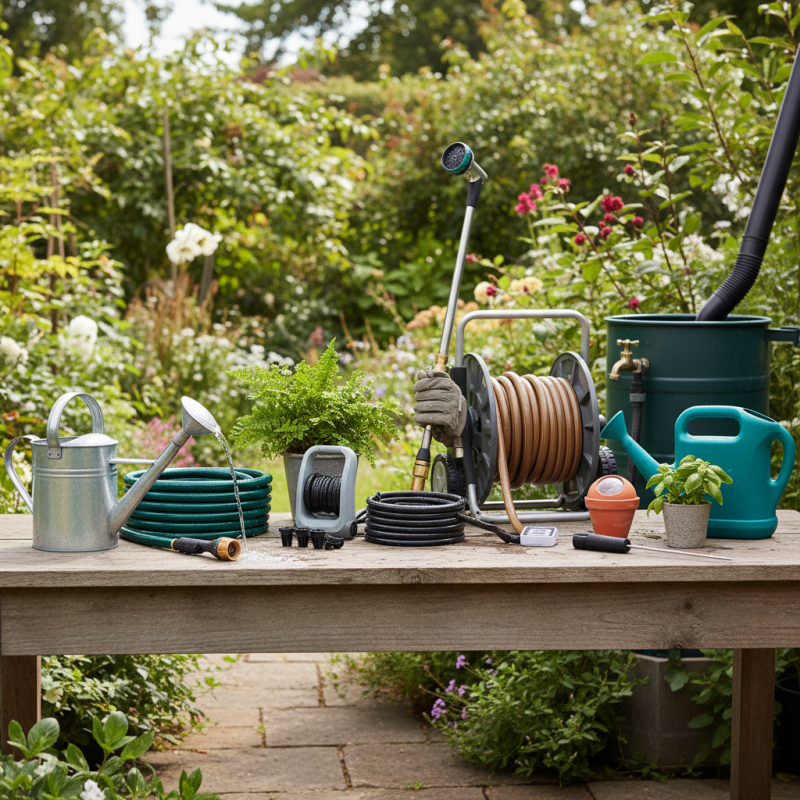
Efficient irrigation is crucial for maintaining a vibrant and healthy garden, making the right watering tools essential for every gardener. According to a report by the American Society of Landscape Architects, nearly 50% of residential water use is dedicated to landscaping, highlighting the importance of efficient irrigation practices. Utilizing the right tools can significantly reduce water waste and foster better plant health. For instance, drip irrigation systems can conserve up to 70% more water than traditional sprinkler methods, ensuring that water reaches the roots directly where it is needed most.
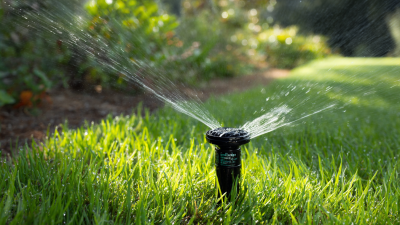
In addition to drip systems, garden hoses with adjustable nozzles can enhance watering efficiency. A study conducted by the Irrigation Association found that using high-efficiency nozzles can save up to 20-30% of water compared to standard options. Furthermore, soil moisture sensors and timers enable gardeners to automate irrigation schedules based on the actual water needs of the plants. This not only optimizes water usage but also encourages a healthier landscape, leading to improved growth and reduced maintenance efforts. By incorporating these essential tools into their gardening routine, gardeners can achieve a sustainable and flourishing environment while being mindful of water conservation.
Types of Garden Hoses: Material, Length, and Nozzle Options
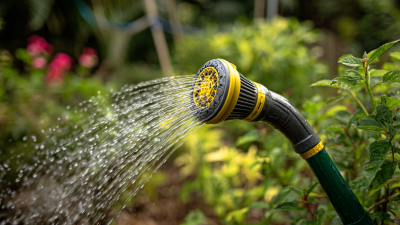
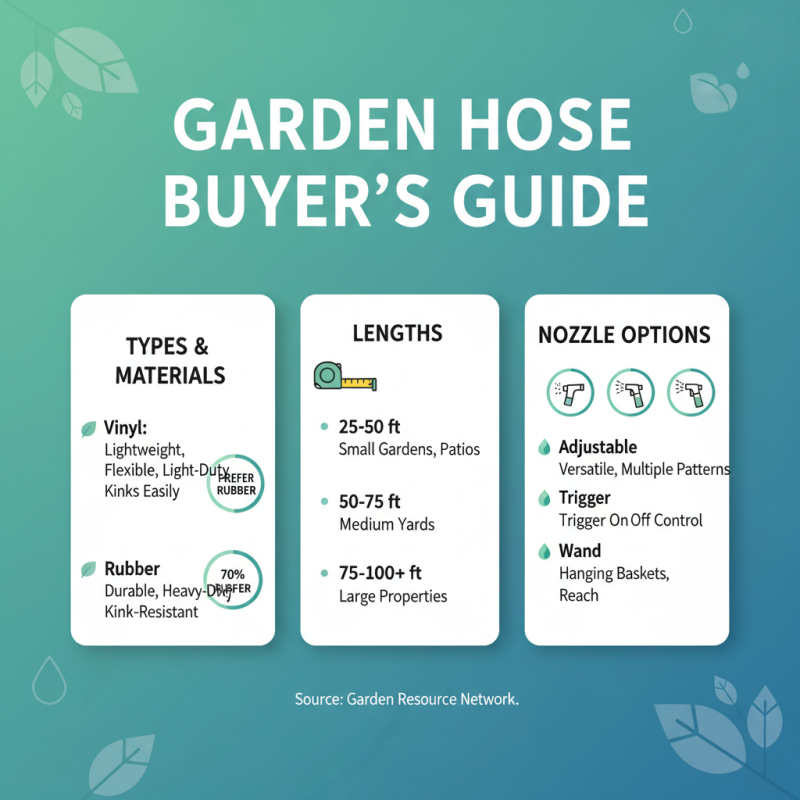
When it comes to selecting garden hoses, understanding the types available and their respective materials, lengths, and nozzle options can significantly enhance your gardening experience. Garden hoses are typically made from materials such as vinyl, rubber, or reinforced fiber. Vinyl hoses are lightweight and flexible, ideal for light-duty use; however, they may not withstand high pressure or extreme temperatures. Rubber hoses, on the other hand, are more durable and suitable for heavy-duty tasks. According to a report by the Garden Resource Network, about 70% of avid gardeners prefer rubber hoses for their longevity and resistance to kinking.
The length of the garden hose also plays a crucial role in its usefulness. Standard hoses range from 25 to 100 feet, and choosing the right length is essential to avoid unnecessary kinks and tangles. Research indicates that longer hoses are increasingly popular among gardeners, with around 40% of gardeners opting for hoses over 75 feet to reach far corners of their gardens without needing additional connectors. An appropriate nozzle can further enhance the watering experience. Gardeners can choose from fixed spray patterns, adjustable nozzles, or specialty nozzles designed for specific tasks. A survey conducted by the Garden Tool Association found that 60% of gardeners favor adjustable nozzles due to their versatility in offering a range of watering options, from a gentle mist to a powerful jet stream suitable for cleaning tasks.
The Benefits of Soaker Hoses for Water Conservation
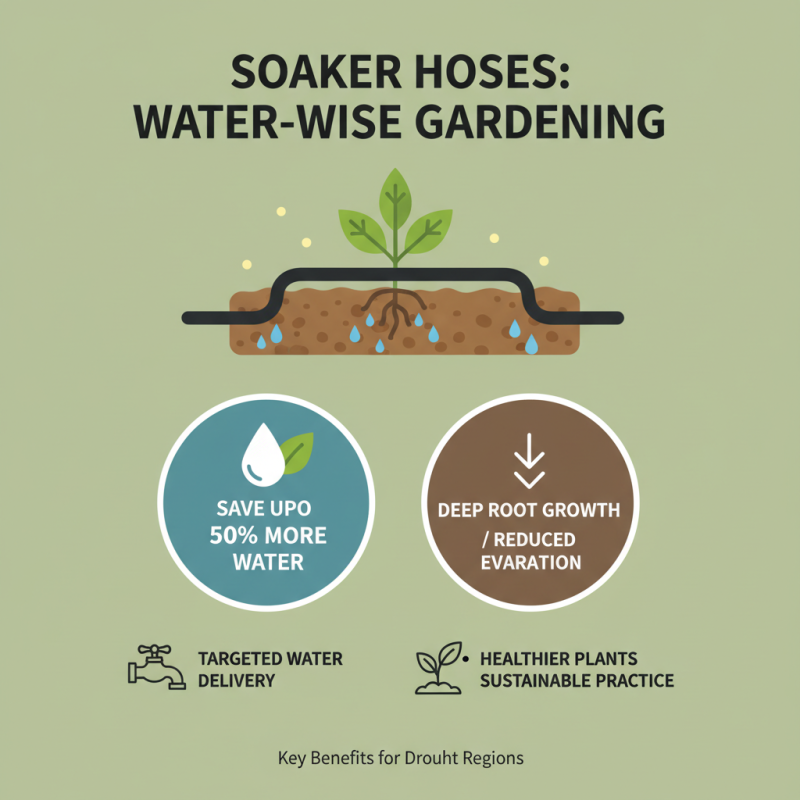
Soaker hoses are gaining popularity among gardeners due to their efficient water conservation methods. They release water directly into the soil, promoting deep root growth and reducing evaporation. Studies have shown that soaker hoses can save up to 50% more water compared to traditional overhead watering methods. This is particularly crucial in regions facing drought conditions, where every drop counts. By minimizing surface runoff and targeting the roots directly, soaker hoses contribute to healthier plants and a more sustainable gardening practice.
When using soaker hoses, here are some tips to maximize their effectiveness: First, ensure that the hoses are laid out in a serpentine pattern across your garden beds, allowing for even water distribution. Second, cover the hoses with mulch to retain moisture and further reduce evaporation. Third, regularly check for clogs and cracks to maintain optimal performance; a properly functioning soaker hose can last for several years, providing consistent irrigation throughout its lifecycle.
Overall, incorporating soaker hoses into your gardening routine not only promotes water conservation but also leads to thriving plants. By being mindful of water usage, gardeners can take significant steps towards sustainable practices that benefit both their gardens and the environment.
Understanding the Use of Watering Cans in Container Gardening
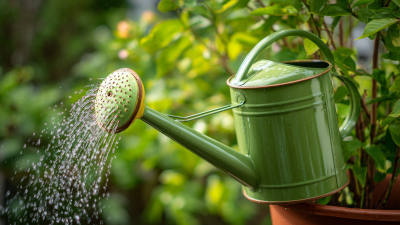
Watering cans play a crucial role in container gardening, providing a convenient and versatile means of delivering water directly to plants. According to the American Nursery and Landscape Association, about 80% of gardening enthusiasts prefer using watering cans over hoses for their container plants due to the targeted application and control they offer. This is especially important in container gardening, where plants may not have access to deep-root watering as in traditional gardens. The gentle watering that a can provides helps to avoid soil erosion, ensuring that the roots receive adequate hydration while maintaining the integrity of the soil structure.
When choosing a watering can, it's essential to consider features such as capacity, spout design, and weight. A can with a narrow spout can deliver water precisely to the base of plants, minimizing waste and preventing foliage from becoming too moist, which can lead to diseases. Additionally, lighter cans are preferable for those who might be watering a larger number of containers, as they reduce fatigue during use.
Tips for Effective Watering:
- Always check the moisture level of the soil before watering to avoid overwatering, which can be detrimental to container plants.
- Water in the early morning or late afternoon to reduce evaporation losses and improve absorption by the roots.
- Customize your watering can's spout with a rose (a removable spout attachment with small holes) for a gentle rain-like effect, ensuring that you provide even moisture to your plants without damaging them.
Exploring Drip Irrigation Systems for Targeted Watering Solutions
Drip irrigation systems have gained popularity among gardeners seeking efficient and targeted watering solutions. Unlike traditional sprinklers that distribute water indiscriminately over large areas, drip irrigation delivers moisture directly to the base of plants through a system of tubes and emitters. This method not only conserves water by minimizing evaporation and runoff but also promotes healthier plant growth by ensuring that the roots receive the necessary hydration without the stress of oversaturation.
One of the significant advantages of drip irrigation is its adaptability to various garden layouts and plant types. Gardeners can design customized systems that cater specifically to the needs of different plants, whether they are thirsty vegetables or drought-resistant flowers. By adjusting the flow rate and placement of the emitters, it’s possible to provide each plant with the right amount of water at the right time. Moreover, incorporating timers and sensors into the system can further enhance efficiency, automating the watering process and ensuring that plants receive optimal care even when the gardener is away.
Top 10 Garden Watering Tools Every Gardener Should Know About