Top 10 Garden Sprinkler Head Tips for 2026 Efficient Watering
In 2026, efficient watering is crucial for thriving gardens. The right Garden Sprinkler Head can make a significant difference. According to recent industry reports, over 30% of water usage in residential areas is attributed to inefficient sprinkler systems. This highlights the urgent need for improvement.
David Thompson, a leading horticulture expert, emphasized, "Choosing the right sprinkler head can enhance water efficiency and reduce waste." Understanding various sprinkler heads and their functionalities is essential for any gardener. Many gardeners overlook the importance of matching the right sprinkler head to their garden's specific needs.
With advancements in technology, new designs offer better performance. However, not all gardeners adapt to these innovations. Many still use outdated systems, leading to water loss and higher utility bills. Reflecting on this, gardeners must evaluate their equipment regularly. Identifying the best practices for choosing a Garden Sprinkler Head ensures a more sustainable and effective watering strategy.
Understanding the Role of Sprinkler Heads in Efficient Watering Practices
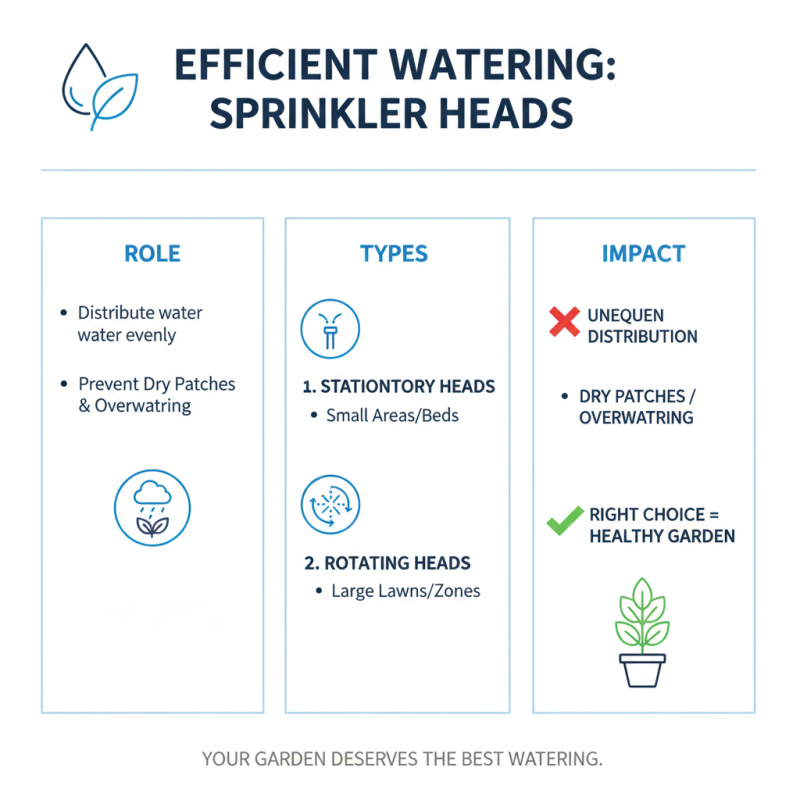
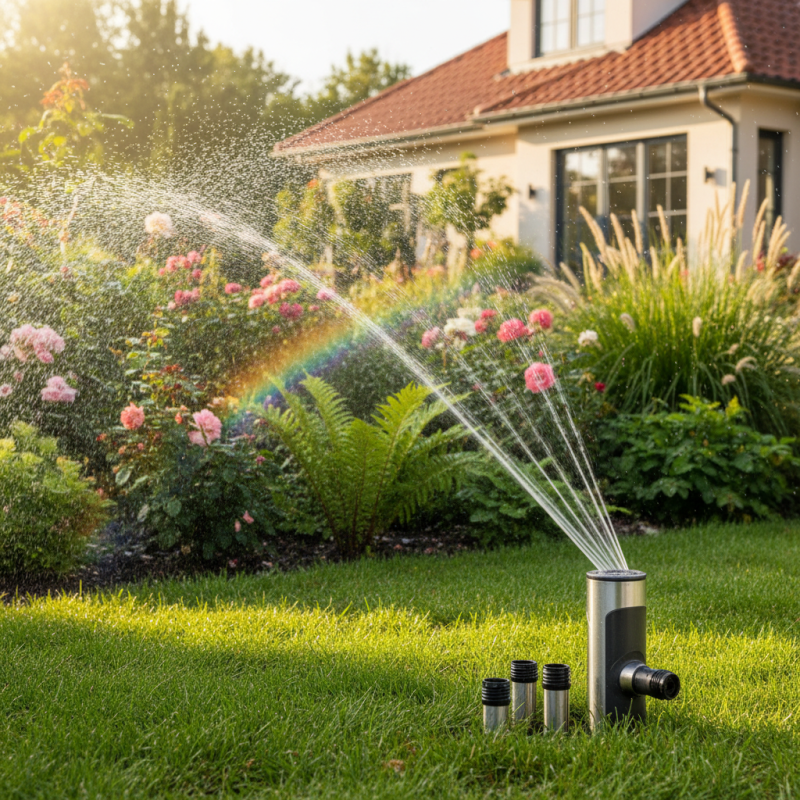
Sprinkler heads play a crucial role in efficient watering practices. They determine how water is distributed across your garden. Choosing the right type is essential. For example, stationary heads work well for small areas, while rotating heads cover larger spaces. An uneven distribution can lead to dry patches or overwatering. This imbalance is something many gardeners encounter.
Consider the layout of your garden. Flower beds and lawns have different watering needs. A well-planned system minimizes waste and ensures healthy plants. Regular maintenance of sprinkler heads is also important. Debris can clog the nozzles, affecting the spray pattern. A simple cleaning can enhance functionality. Yet, people often overlook this step.
Rain sensors can improve efficiency. These devices prevent watering during wet conditions. Gardens can thrive without excessive watering. However, investing in technology without understanding your garden's needs can be counterproductive. Thoughtful consideration is required for selecting the best setup. Think about how different heads interact with your landscape. There’s no one-size-fits-all solution. Each garden presents its own challenges, and addressing them thoughtfully is key.
Evaluating Different Types of Sprinkler Heads for Optimal Coverage and Efficiency
When it comes to garden watering, selecting the right sprinkler head is crucial for efficiency. Various types offer distinct coverage patterns. For example, stationary, oscillating, and rotating heads each serve different purposes. Stationary heads may cover large areas but can create dry spots. Oscillating and rotating heads ensure more uniform coverage, minimizing wasted water.
According to a recent industry report, approximately 40% of typical water usage goes to irrigation. Efficient sprinklers can reduce that waste. In fact, high-efficiency spray heads can save homeowners up to 30% on their water bills. However, not all homeowners understand how to adjust their systems correctly. Over time, many forget to check for clogs or misaligned heads. This inattention can lead to inefficient watering.
It’s essential to evaluate your garden's needs. Soil type, plant species, and sunlight exposure all influence watering requirements. A common mistake is using the wrong pressure, which can affect coverage. Regular maintenance checks can prevent many issues. Making small adjustments can transform your watering strategy. Ultimately, thoughtful consideration of sprinkler types will enhance both plant health and resource efficiency.
Top 10 Garden Sprinkler Head Tips for 2026 Efficient Watering
| Type of Sprinkler Head |
Water Coverage (sq ft) |
Water Efficiency (%) |
Adjustability |
Ideal Use Case |
| Fixed Spray |
250 |
80 |
No |
Small Gardens |
| Rotary Sprinkler |
500 |
85 |
Yes |
Medium Lawns |
| Impact Sprinkler |
700 |
78 |
Limited |
Large Areas |
| Bubbler |
100 |
90 |
No |
Containers & Beds |
| Oscillating Sprinkler |
400 |
82 |
Yes |
Flower Beds |
| Drip Irrigation Head |
50 |
95 |
No |
Garden Rows |
| Micro Sprinkler |
200 |
88 |
Yes |
Shrubs & Flowers |
| Traveling Sprinkler |
1000 |
80 |
Yes |
Large Lawns |
| Soaker Hose |
Varies |
92 |
No |
Rows & Beds |
| Smart Sprinkler Head |
300 |
98 |
Yes |
Automated Systems |
Key Factors Affecting Water Distribution and Pressure in Sprinkler Systems
When it comes to efficient watering, understanding water distribution and pressure is crucial. Different factors affect these elements in sprinkler systems. For instance, pipe diameter can significantly influence the flow. Larger pipes allow for greater water movement, while smaller ones may restrict it. It's essential to choose the right size based on your garden's needs.
One common issue is uneven pressure, which leads to poor water coverage. If some areas receive too much water and others too little, it’s time to reassess your sprinkler layout. Check for blockages or leaks that could create inconsistencies. Regular maintenance can prevent many problems.
Tip: Adjust your sprinkler heads to ensure even coverage. Misaligned heads can lead to dry spots or overwatering, which is wasteful.
Additionally, consider the terrain of your garden. Hilly areas may require different sprinkler settings than flat regions. Different soil types also absorb water at varying rates.
Tip: Monitor your garden after each watering cycle. This practice reveals how well your system works and where to improve. It’s easy to overlook simple adjustments that can enhance efficiency.
Best Practices for Seasonal Maintenance of Garden Sprinkler Heads
Seasonal maintenance of garden sprinkler heads is essential for efficient watering. Over time, dirt and debris can block sprinkler nozzles. Cleaning them regularly will ensure even water distribution. A gentle brush or a soft cloth works well for this task.
Check the alignment of each sprinkler head. Misaligned heads waste water and can cause dry spots in your garden. Sometimes, they need adjusting after mowing or changing the landscape. Remember, not all heads operate the same way, so take time to understand their mechanisms.
Inspect for leaks at the connections. A leak can lead to significant water waste. Look for wet spots around the base of the head. If you find any, tighten the connection or replace damaged parts. These small details matter in maintaining an efficient watering system. Regular checks save effort in the long run, especially during peak growing seasons.
Innovative Technologies in Sprinkler Heads for Water Conservation in 2026
As we move into 2026, innovative technologies in sprinkler heads are reshaping water conservation in gardens.
Smart irrigation systems, equipped with sensors, are becoming popular. These systems
adjust watering schedules based on weather conditions. According to a study by the Irrigation Association, these technologies can reduce
water usage by up to 30%. That’s a significant saving for both the environment and your wallet.
Automatic soil moisture sensors are another groundbreaking development. They monitor soil conditions and only activate when necessary.
This prevents overwatering, which is a common issue. In fact, overwatering can lead to plant stress and even disease. One tip is to ensure
your sprinklers are positioned correctly. Misplaced heads can cause uneven coverage, wasting water and hindering plant growth.
Consider drip irrigation systems for intricate garden layouts. They deliver water directly to the roots,
minimizing evaporation. Although they require careful installation, the benefits are clear. Reports indicate that gardens utilizing drip systems
can use 50% less water. However, remember to inspect regularly for clogs and leaks, as maintenance is crucial for efficiency.