China has become an important manufacturing base for agricultural irrigation equipment. Among its diverse suppliers, Agricultural Water Spray Gun manufacturers serve farms, nurseries, orchards, and greenhouse operations worldwide. Their products often support tasks ranging from gentle seedling watering to stronger field cleaning and crop-care applications.
This guide examines ten notable Chinese manufacturers through practical purchasing criteria. These include spray distance, adjustable flow control, nozzle patterns, operating pressure, material strength, and connection compatibility. A dependable spray gun should feel balanced in the hand and remain comfortable during repeated use. Metal alloy bodies may improve impact resistance, while reinforced plastic can reduce weight and cost. Seals, trigger assemblies, and threaded fittings deserve equal attention. Small failures matter.
Factory experience also requires careful verification. Buyers should review product specifications, quality-control procedures, export experience, customization capacity, and available test records. Clear communication is especially valuable when farms use different hose standards or pump systems. Samples can reveal weaknesses that photographs hide. Ask for them.
No ranking is completely objective. A manufacturer strong in high-volume production may not suit a small organic farm. Another supplier may offer excellent customization but slower delivery. These differences should remain visible rather than simplified. The following overview therefore focuses on evidence-based comparison, realistic application needs, and supplier reliability. It aims to help distributors, agricultural buyers, and equipment professionals make better-informed decisions. Performance still depends on water quality, pressure settings, maintenance, and operator technique. A good product cannot replace careful use.
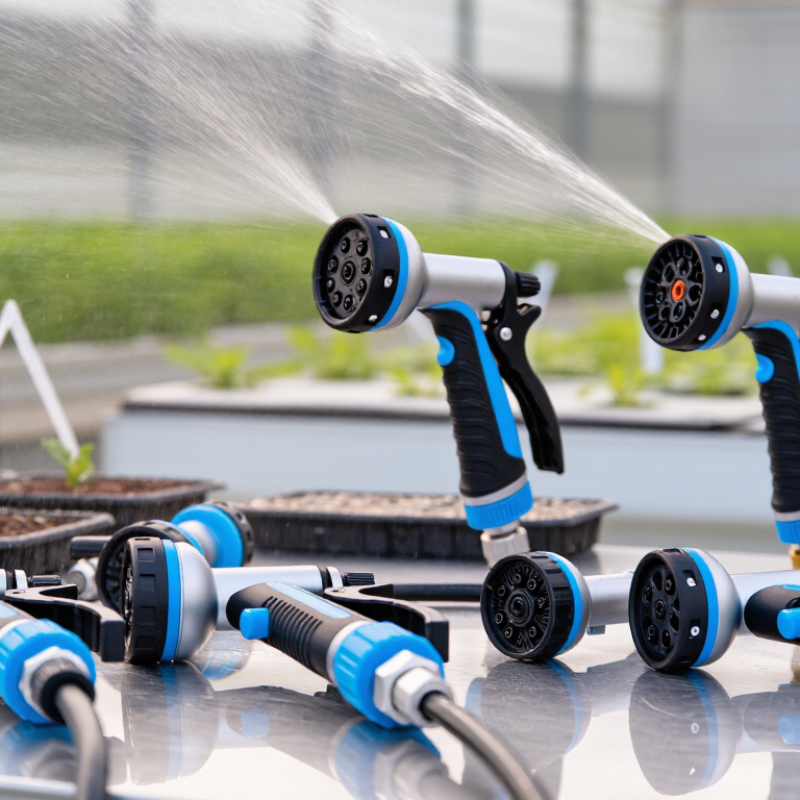
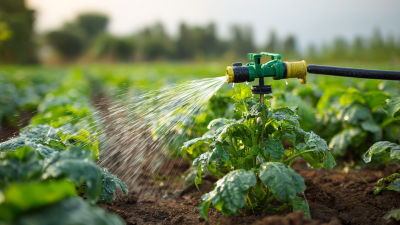
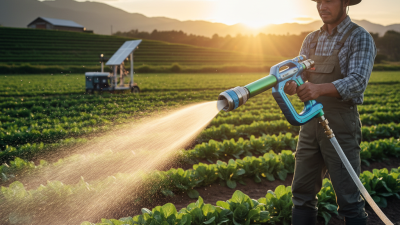
An agricultural water spray gun is a handheld device that converts pressurized water into a controlled spray. It usually includes a trigger, valve, hose connection, and adjustable nozzle. The operator can change the stream from a narrow jet to a softer fan. This makes it useful for washing plants, cooling livestock areas, wetting soil, and applying approved farm inputs. It is not simply a garden hose with a handle. Its value depends on flow control, droplet size, pressure, and operator distance.
FAO AQUASTAT estimates that agriculture accounts for about 70% of global freshwater withdrawals. That figure explains why targeted spraying deserves practical attention, even on small farms. USDA’s 2017 Census of Agriculture recorded 55.9 million irrigated acres in the United States. A spray gun cannot solve irrigation losses alone. However, it can reduce overspray when the nozzle matches the task and the user avoids unnecessary pressure. A visible shutoff trigger also limits runoff beside furrows, benches, or animal pens. These are operational details, not marketing promises.
During a basic inspection, check leaks, grip fatigue, clogged orifices, and uneven spray patterns. A clean nozzle may outperform a more expensive assembly. Still, the definition has limits. Spray guns are often judged by maximum pressure, although pressure alone does not prove water efficiency. Field conditions, water quality, hose length, and worker habits can change results. A reliable selection should combine published flow data with a short on-site test. The test may expose assumptions that a catalog misses.
Agricultural water spray guns are manually operated or trigger-controlled devices used to apply water, liquid fertilizers, pesticides, and cleaning solutions. The specifications below represent typical commercial configurations; actual performance varies according to nozzle design, pump capacity, hose length, and operating conditions.
| Configuration | Typical Working Pressure | Typical Flow Rate | Effective Spray Reach | Spray Pattern | Common Materials | Typical Connection | Primary Agricultural Use |
|---|---|---|---|---|---|---|---|
| Handheld Adjustable Spray Gun | 2–6 bar | 8–20 L/min | 6–12 m | Jet to fan | Brass, stainless steel, reinforced polymer | 1/2 in or 3/4 in hose | Nursery irrigation, foliage washing, spot treatment |
| High-Pressure Orchard Spray Gun | 20–40 bar | 20–40 L/min | 10–18 m | Long-range cone or solid stream | Forged brass, stainless steel, aluminum | 3/4 in or 1 in high-pressure hose | Orchard trees, vines, tall crops |
| Trigger-Controlled Fan Spray Gun | 3–10 bar | 6–18 L/min | 4–10 m | Adjustable fan | Polymer body, brass inlet, stainless spring | 1/2 in hose or quick coupling | Vegetable beds and greenhouse crops |
| Lance-Extension Spray Gun | 5–25 bar | 10–25 L/min | 8–15 m | Cone, fan, or narrow jet | Aluminum tube, brass fittings, polymer grip | 1/2 in or 3/4 in hose | Reaching dense canopies and elevated plants |
| Foam-Marking Spray Gun | 3–8 bar | 1–6 L/min | 3–8 m | Foam strip or spot | Chemical-resistant polymer, stainless steel | 1/2 in hose with foam attachment | Field marking and spray-path identification |
| Low-Drift Cone Spray Gun | 3–12 bar | 4–12 L/min | 4–9 m | Coarse hollow cone | Acetal polymer, brass, ceramic nozzle option | 1/2 in hose or spray-bar fitting | Targeted crop protection and reduced drift applications |
| Washdown and Cleaning Spray Gun | 5–30 bar | 15–35 L/min | 6–14 m | Straight jet or wide fan | Stainless steel, brass, impact-resistant polymer | 3/4 in or 1 in hose | Cleaning livestock areas, equipment, and produce surfaces |
| Fertilizer Injection Spray Gun | 2–10 bar | 5–20 L/min | 4–10 m | Fan, cone, or stream | Chemical-resistant polymer, brass, stainless steel | 1/2 in hose with metering inlet | Liquid fertilizer and soluble nutrient application |
| Backpack Sprayer Spray Gun | 1.5–5 bar | 0.5–3 L/min | 2–6 m | Fine cone or flat fan | Polypropylene, nylon, stainless steel | 8–12 mm spray hose | Small farms, gardens, row crops, and spot spraying |
| Multi-Nozzle Spray Gun | 3–15 bar | 10–30 L/min | 5–12 m | Selectable fan, cone, or twin spray | Brass manifold, stainless steel, polymer handle | 1/2 in or 3/4 in hose | Flexible irrigation, foliar feeding, and crop protection |
Note: Pressure and flow should always remain within the limits specified for the spray gun, hose, pump, nozzle, and agricultural chemical being used.
Agricultural water spray guns convert pump pressure into a controlled stream or spray. Water travels through a hose and enters the gun body. A trigger moves a valve inside the handle. Pressing it opens the passage and releases water. Releasing it closes the flow quickly, reducing unnecessary waste. The pump supplies pressure, while the nozzle shapes the final spray pattern.
The nozzle is the working center of the system. A narrow opening creates a stronger jet for rinsing equipment or reaching distant plants. A wider opening produces larger droplets for general irrigation. Adjustable nozzles can change the pattern from a focused stream to a broad fan. Pressure affects coverage, but higher pressure does not always improve performance. Excessive pressure may create fine droplets that drift in wind. That small detail matters.
Reliable operation also depends on clean water and stable connections. A small filter can stop sand or plant debris from blocking the nozzle. A pressure regulator helps maintain a consistent output during long working periods. Operators should inspect the spray shape against a clear background. An uneven pattern often indicates a partial blockage or worn nozzle. In practice, theory is less tidy. I have found that users sometimes adjust pressure before checking the filter. That habit wastes time and can hide the real fault. Proper calibration should match the crop, distance, weather, and intended coverage.
China Top 10 Agricultural Water Spray Gun Manufacturers
Agricultural spray guns are changing from simple hose tools into precision water-control equipment. FAO AQUASTAT reports that agriculture uses about 70% of global freshwater withdrawals. This figure makes flow control more than a convenience.
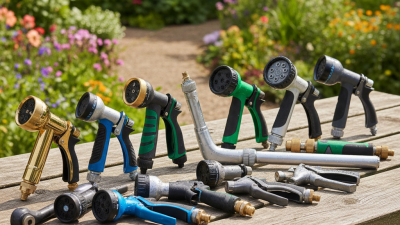
Common types include trigger guns, pistol-grip guns, adjustable fan guns, and high-pressure models. Trigger guns suit greenhouse beds and small plots. Fan nozzles spread water across seedlings with less soil disturbance. High-pressure guns reach trees and dusty equipment, but excessive pressure can damage leaves and compact soil.
Key features deserve careful checking. A reliable gun should offer adjustable flow, a stable shutoff trigger, replaceable nozzles, and a corrosion-resistant body. A built-in filter helps prevent blocked passages when irrigation water carries sand. Flow rate, measured in liters per minute, should match the hose, pump, and crop. Too much flow wastes water quickly. Ergonomic handles also matter during long field work. That detail is often underestimated.
Tips: Test the spray pattern at the actual working distance. Check pressure with a gauge, not by hand. Clean the nozzle after use. FAO’s 2021 State of Food and Agriculture emphasizes improving agricultural water productivity, yet spray-gun performance varies with pressure, nozzle wear, and operator habits. Some specifications look precise, but field results remain imperfect. Record water use before changing equipment; otherwise, improvement is only an assumption.
Typical operating pressure varies by spray gun type. Handheld and backpack sprayer guns are designed for low-pressure crop treatment, while orchard, irrigation, and high-pressure cleaning guns support wider coverage or stronger jets.
The pressure ranges shown are representative agricultural-use ranges in bar. Actual performance depends on the pump, nozzle, hose, flow rate, and application design.
China’s Top 10 Agricultural Water Spray Gun Manufacturers
China’s agricultural water spray gun sector serves farms, nurseries, orchards, and greenhouse operations. FAO AQUASTAT reports that agriculture accounts for about 70% of global freshwater withdrawals. This figure makes nozzle efficiency and spray control commercially important, not merely technical details. China’s Water Resources Bulletin 2023 recorded agricultural water use at roughly 55% of national water consumption. Manufacturers therefore compete through flow stability, pressure control, corrosion resistance, and practical maintenance.
A reliable review of China’s top 10 manufacturers should examine factory experience, material traceability, test procedures, and export support. A spray gun should produce a steady pattern when the operator changes distance. It should also survive wet storage, mineral deposits, and repeated trigger use. Look for brass, stainless steel, or reinforced engineering plastics where suitable. Certification claims need verification. Product pages alone are not enough. I would also inspect replacement seals and thread compatibility. This step is often forgotten.
Tips: Compare flow rate at the same pressure. Check whether the supplier publishes test conditions. Ask for samples before large orders. Measure grip comfort with wet gloves. Small details matter. Some buyers focus too heavily on maximum pressure, yet low-pressure control may protect young leaves and reduce runoff. No catalogue tells the whole story, and even a technically strong design may fail without dependable spare parts and clear operating instructions.
Selecting a reliable Chinese manufacturer requires more than comparing prices. FAO’s AQUASTAT database estimates that agriculture accounts for about 70% of global freshwater withdrawals. Spray efficiency therefore affects both operating cost and resource use. Ask manufacturers for measured flow rate, working pressure, spray angle, and droplet performance. These figures should come from repeatable tests, not sales descriptions.
Inspect the gun’s body, seals, trigger, and nozzle threads. Corrosion-resistant materials matter in fertilizer and pesticide environments. Request sample units before placing a large order. Test them with your own hose, pump, and water quality.
A trustworthy factory should provide batch records, inspection reports, and clear warranty terms. ISO 9001 certification can support process control, but it does not guarantee field performance. That distinction is easy to miss.
Tips: Compare three samples under identical pressure. Check leakage after repeated trigger cycles. Ask how spare parts are packed and labeled. Verify production capacity through a live factory audit or independent inspection. Review export documents carefully. I would also request a small pilot order, even when the factory looks professional. It adds time. It can expose problems early. In practice, reliability is proven by consistent test results, responsive communication, and honest limits.