What is Lawn Irrigation Equipment and How Does It Work for Your Garden
In the realm of gardening and landscape maintenance, understanding the significance and functionality of "Lawn Irrigation Equipment" is crucial for both novice gardeners and experienced horticulturists alike. As expert horticulturist Dr. Emily Greenfield notes, “Effective lawn irrigation is not merely a luxury; it's an essential component for fostering healthy gardens and landscapes.” This insight underscores the necessity of utilizing the right equipment to ensure that plants receive adequate hydration, promoting growth and vitality.
The proper selection and implementation of lawn irrigation systems can drastically improve water efficiency while reducing labor. With a range of options available—from sprinkler systems to drip irrigation—gardening enthusiasts can tailor their setups to meet specific needs and environmental conditions. Understanding the mechanics behind these systems can empower gardeners to create a thriving green space, resulting in a landscape that not only looks beautiful but also contributes positively to the ecosystem. In this article, we will delve into the various types of lawn irrigation equipment, how they function, and best practices for integrating them into your gardening routine.
What is Lawn Irrigation Equipment: Definition and Types
Lawn irrigation equipment refers to the various systems and tools designed to deliver water efficiently to gardens, lawns, and landscape areas. These systems are essential for maintaining healthy plants and grass, particularly in regions with limited rainfall.
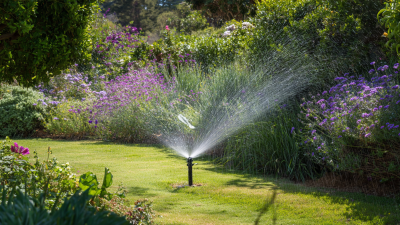
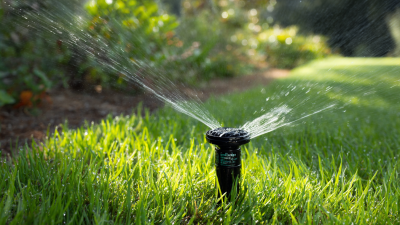
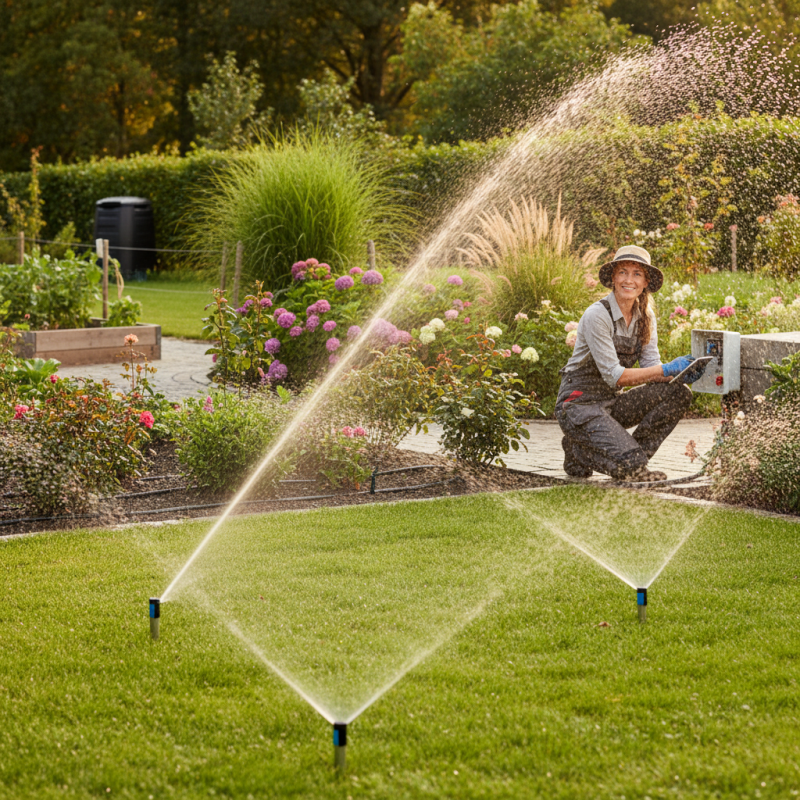
There are several types of lawn irrigation equipment, each catering to different watering needs and garden layouts. One common type is the sprinkler system, which distributes water in the form of droplets through a network of pipes and spray heads. Sprinklers can be stationary, rotating, or oscillating, making them versatile for various garden sizes and shapes.
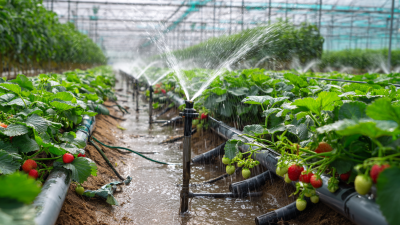
Another popular option is drip irrigation, which involves a series of tubes with emitters that slowly release water directly to the plant roots. This method conserves water and reduces evaporation, making it ideal for gardens that require targeted watering. Soaker hoses are another variation, allowing water to seep through porous materials, providing gentle irrigation to garden beds.
In addition to these methods, manual watering tools like hoses and watering cans are also considered part of lawn irrigation equipment. While they require more effort and time, they grant gardeners the flexibility to target specific areas. Understanding the different types of irrigation equipment available can help gardeners choose the best solutions for their specific needs, ensuring healthy growth and reducing water waste in their outdoor spaces.
Key Components of Lawn Irrigation Systems and Their Functions
Lawn irrigation systems consist of several key components that work together to ensure efficient watering of your garden. The primary element in these systems is the water source, typically connected to a municipal supply or a well. This water is then directed through pipes to reach various areas of the lawn and garden. The pipes, often made from durable materials such as PVC or HDPE, distribute water effectively while minimizing leaks and pressure loss.
Another essential component is the sprinkler heads or drip emitters, which are responsible for delivering water to the plants. Sprinklers can be stationary or rotating, providing coverage to different shapes and sizes of lawns. Drip irrigation, on the other hand, delivers water directly to the plant roots, conserving water and promoting healthier growth. Additionally, systems often include valves and timers, which automate the watering schedule, ensuring that plants receive the right amount of water without human intervention. This combination of components optimizes water usage, making lawn maintenance easier and more effective.
What is Lawn Irrigation Equipment and How Does It Work for Your Garden - Key Components of Lawn Irrigation Systems and Their Functions
| Component |
Function |
Description |
| Water Source |
Provides water |
The main supply of water can be from a well, municipal water system, or rainwater collection. |
| Pump |
Boosts water pressure |
Used to move water from the source to the irrigation system effectively. |
| Pipes |
Transport water |
Network of tubes that carry water from the source to various parts of the garden. |
| Valves |
Control water flow |
Devices that regulate the flow of water through the system, allowing for zoning. |
| Sprinklers |
Distribute water |
These devices spray water over the lawn and plants in predetermined patterns. |
| Controller |
Automates watering |
Setup of schedules for when and how long the irrigation system runs. |
| Soil Moisture Sensors |
Monitor moisture |
Sensors that detect soil moisture levels to optimize irrigation efficiency. |
How Lawn Irrigation Equipment Enhances Water Efficiency in Gardens
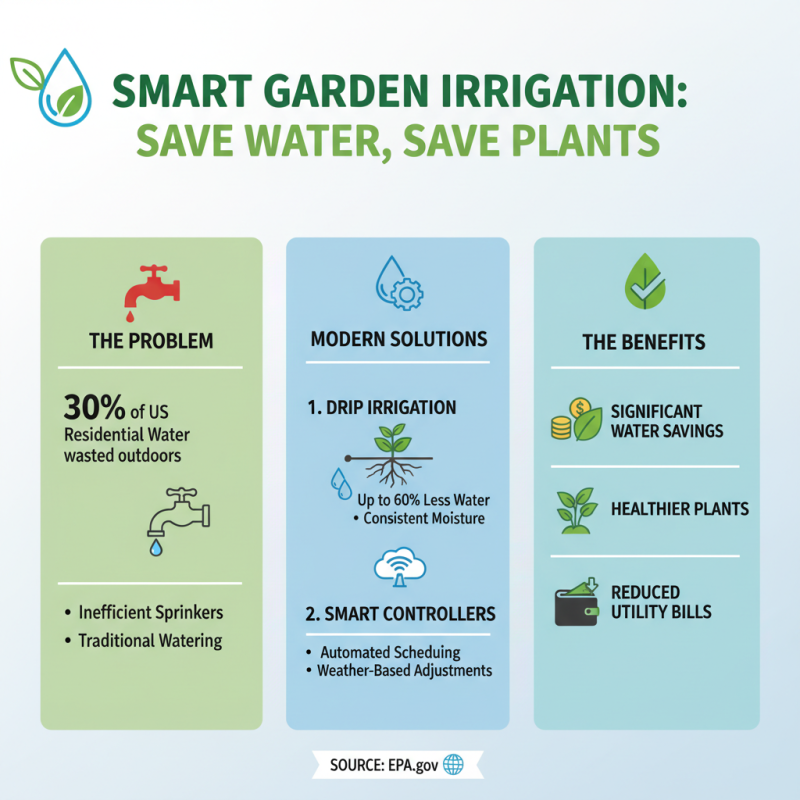
Lawn irrigation equipment plays a pivotal role in enhancing water efficiency in gardens, making it an essential consideration for any gardening enthusiast. According to the Environmental Protection Agency (EPA), outdoor water use accounts for nearly 30% of total residential water use in the United States, and much of this water is wasted due to inefficient irrigation practices. By employing modern irrigation systems, such as drip irrigation or smart sprinkler controllers, garden owners can reduce water waste significantly. Studies indicate that drip irrigation systems can reduce water use by as much as 60% compared to traditional sprinkler systems while providing plants with consistent moisture levels.
In addition to conserving water, efficient irrigation systems can promote healthier plant growth and reduce the risk of disease. Overwatering is a common issue in gardens, often leading to root rot and other fungal diseases. Data shows that using automated irrigation systems can help maintain optimal soil moisture levels, creating a balanced environment for plants to thrive. Research has demonstrated that gardens utilizing efficient irrigation equipment experience improved soil health, leading to a more robust ecosystem. This not only benefits the individual garden but also contributes positively to the overall water management efforts in the surrounding community. By leveraging advanced irrigation technology, gardeners can enhance both their gardening outcomes and their environmental stewardship.
Benefits of Automated Irrigation Systems for Home Gardening
Automated irrigation systems represent a significant advancement for home gardening, offering convenience and efficiency to plant care. By utilizing timers and sensors, these systems can schedule watering at optimal times, ensuring that gardens receive the right amount of moisture without requiring constant manual intervention. This not only saves time for gardeners but also helps maintain consistent soil moisture, which is essential for healthy plant growth.
The benefits of automated irrigation extend beyond mere convenience. These systems can significantly reduce water consumption compared to traditional watering methods, as they deliver water directly to plant roots and often utilize drip irrigation techniques. This targeted approach minimizes evaporation and runoff, promoting sustainability in water usage. Furthermore, many automated systems come equipped with weather sensors that adjust watering schedules based on rainfall and temperature, further enhancing their efficiency and reducing waste. As a result, home gardeners can enjoy lush, thriving gardens while contributing to environmental conservation efforts.