2026 How to Choose the Best Agricultural Water Sprinkler for Your Farm?
Choosing the right Agricultural Water Sprinkler is crucial for every farm's success. According to Dr. Emily Harrison, an expert in irrigation technology, "A good sprinkler system is the backbone of efficient farming." This statement underscores the importance of selecting the right equipment for optimizing water use.
Farmers face various challenges when determining the best sprayer for their needs. Factors like water source, crop type, and soil conditions can complicate decisions. A poorly chosen Agricultural Water Sprinkler may lead to wasted resources or inadequate coverage. It's essential to analyze these elements carefully and consider both initial and long-term costs.
Many farmers may overlook the significance of matching the sprinkler type with specific crops. A blanket solution might not work. Reflection on past experiences can lead to better choices. Understanding that not all sprinklers are created equal is key. The right selection can enhance yields and sustainability.
Understanding the Importance of Agricultural Water Sprinklers
Agricultural water sprinklers play a crucial role in modern farming. They ensure crops receive adequate water, essential for growth and yield. According to the USDA, proper irrigation can increase crop yields by 20-30%. This is significant for farmers looking to maximize productivity. When properly utilized, sprinklers can create microclimates, helping crops thrive even in harsh conditions.
However, choosing the right sprinkler is no easy task. Factors like soil type, crop type, and terrain affect performance. A study by the International Irrigation Management Institute indicates that 40% of farmers do not evaluate these key factors. This often leads to inefficiencies and wasted resources. The wrong choice may result in dry patches or overwatering, both detrimental to crop health.
Farmers must consider their unique needs. Not every farm requires the most advanced technology. Sometimes simpler systems yield better results. Sustainable practices should be prioritized. Over-reliance on technology can lead to neglect in other critical farming practices. A balanced approach is necessary for long-term success.
2026 How to Choose the Best Agricultural Water Sprinkler for Your Farm? - Understanding the Importance of Agricultural Water Sprinklers
| Type of Sprinkler |
Coverage Area (Acres) |
Water Pressure (psi) |
Flow Rate (GPM) |
Best Use Case |
| Center Pivot |
100 |
30-50 |
500 |
Large fields, crops like corn and wheat |
| Stationary Sprinkler |
10 |
20-30 |
100 |
Small gardens and landscapes |
| Traveling Sprinkler |
15 |
25-35 |
200 |
Medium-sized fields, like vegetable farms |
| Micro Sprinkler |
5 |
15-25 |
50 |
Orchards, nurseries, and greenhouse applications |
| Drip Irrigation |
3 |
10-20 |
30 |
Row crops, gardens, and small plots |
Types of Agricultural Water Sprinklers Available on the Market
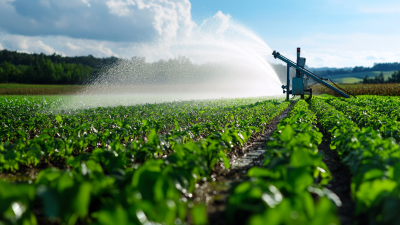
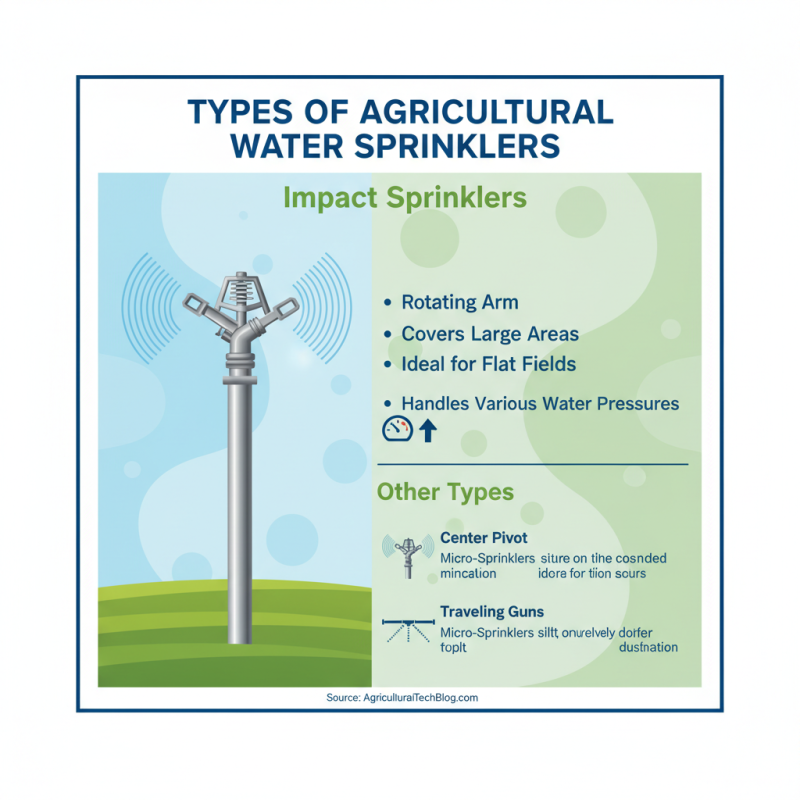
When selecting an agricultural water sprinkler, it's crucial to understand the various types available. There are impact sprinklers, which use a rotating arm to distribute water. These can cover large areas effectively. They work best on flat fields and can handle different water pressures.
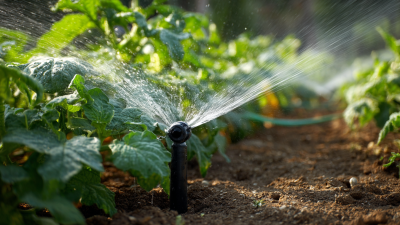
Another type is the drip sprinkler. This system delivers water directly to the plant roots. It reduces water waste and is efficient for crops that need consistent moisture. However, it requires careful installation and maintenance. Neglecting these can lead to blockages.
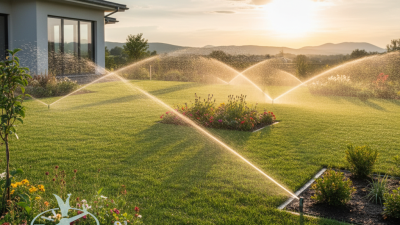
Finally, stationary sprinklers are often simple to use. They can cover specific zones with ease, but their reach is limited. Farmers must move them frequently. Choosing the right type involves considering your farm's layout and crop types. It’s a balancing act between efficiency and practicality. Understanding the strengths and weaknesses of each option is essential for making a beneficial choice.
Key Factors to Consider When Choosing a Sprinkler System
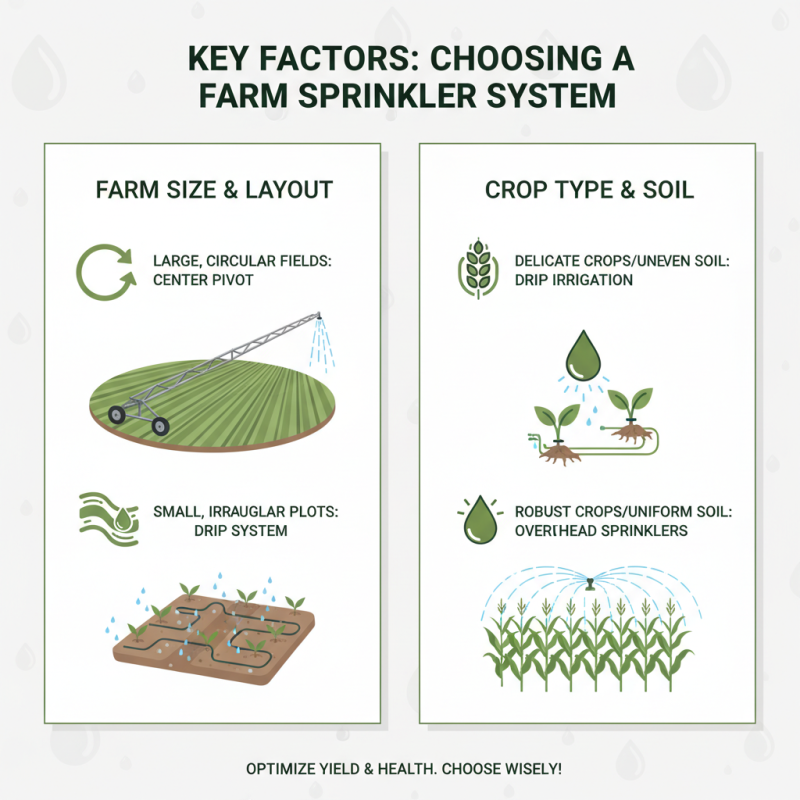
Selecting the right agricultural water sprinkler can greatly affect crop health and yield. Start by assessing your farm's size and layout. Different sprinkler systems suit different field shapes and sizes. For example, a center pivot might work well for large, circular fields, while drip systems might benefit smaller, irregular plots.
Consider the climate in your area. Some systems work better in windy regions, while others may struggle. The soil type is essential too. Sandy soils may require more frequent watering than clay. Don’t forget to factor in water availability. An efficient sprinkler can save water but may require a higher initial investment.
Ultimately, trial and error can occur. Sometimes, a system doesn’t meet expectations. It's crucial to gather feedback and adapt. Water efficiency is vital, but so is crop response. Always be ready to assess and make adjustments. Your choice affects both immediate outcomes and long-term sustainability.
Assessing Your Farm's Specific Irrigation Needs
When choosing the best agricultural water sprinkler for your farm, understanding your specific irrigation needs is crucial. Different crops require various amounts of water. Your soil type also plays a role. For instance, sandy soils drain quickly, necessitating frequent watering. Clay soils retain water better, needing less frequent irrigation.
Assessing your area’s climate is another vital factor. Hotter regions often require more water. Conversely, cooler areas may not need as much. Evaluate the average rainfall as well. Too much reliance on sprinklers can lead to overwatering, impacting plant health.
**Tips:** Consider using soil moisture sensors. They can help determine when irrigation is necessary. This prevents water waste and saves costs. Also, think about the layout of your fields. Uneven terrain can affect the sprinkler's coverage, resulting in dry spots. Regularly revisit your irrigation strategy to adapt to seasonal changes. What works today may not be effective next season.
Installation and Maintenance Tips for Optimal Performance
When installing an agricultural water sprinkler, proper setup is crucial. Check the layout of your farm before placing the sprinkler. Consider crop types and their specific water needs. Spaced-out rows often work best for even coverage. However, do not underestimate microclimates in your field. They can affect water distribution.
Maintenance is just as essential. Regular checks can prevent major issues later. Examine hoses and fittings for leaks. Replace worn-out parts immediately. Some farmer may overlook minor problems, but they can escalate quickly. Cleaning the nozzles ensures optimal performance. Any blockage can lead to uneven watering, impacting crop health.
Pay attention to weather changes too. Adjust watering schedules based on rainfall or temperature. It may seem tedious, but accurate records help fine-tune routines. Reflect on what has worked and what hasn't. Learning from past experiences can lead to better decisions in the future.
Water Sprinkler Efficiency Comparison
This bar chart illustrates the efficiency ratings of different types of agricultural water sprinklers, helping farmers choose the best option for optimal performance. The data reflects average efficiency scores based on various tests and evaluations.