What is a Garden Hose Valve and How Does It Work?
A Garden Hose Valve is a simple yet essential tool in gardening and outdoor maintenance. It controls the flow of water through a garden hose, allowing for precise usage. Understanding how a garden hose valve operates is crucial for effective watering.
These valves come in various designs and sizes, suitable for different hoses and applications. A well-functioning valve can prevent leaks and conserve water. However, not all valves work flawlessly. Sometimes, they clog or wear out over time, leading to unexpected issues.
Installing and maintaining a garden hose valve requires attention to detail. It is easy to overlook, but even small problems can lead to significant water waste. Reflecting on the importance of this device can enhance your gardening experience and promote responsible water use.
What is a Garden Hose Valve?
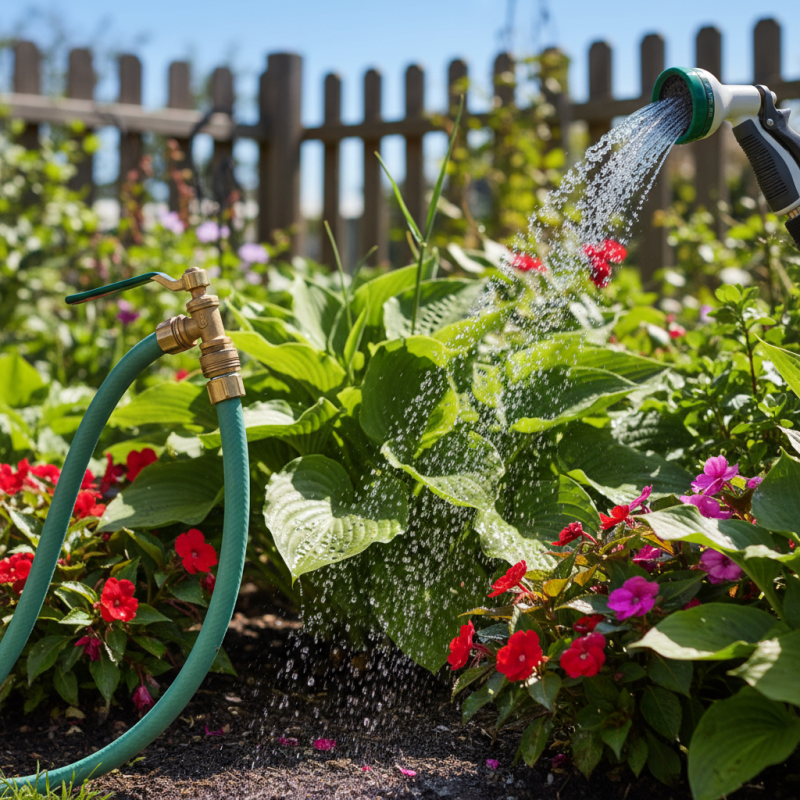
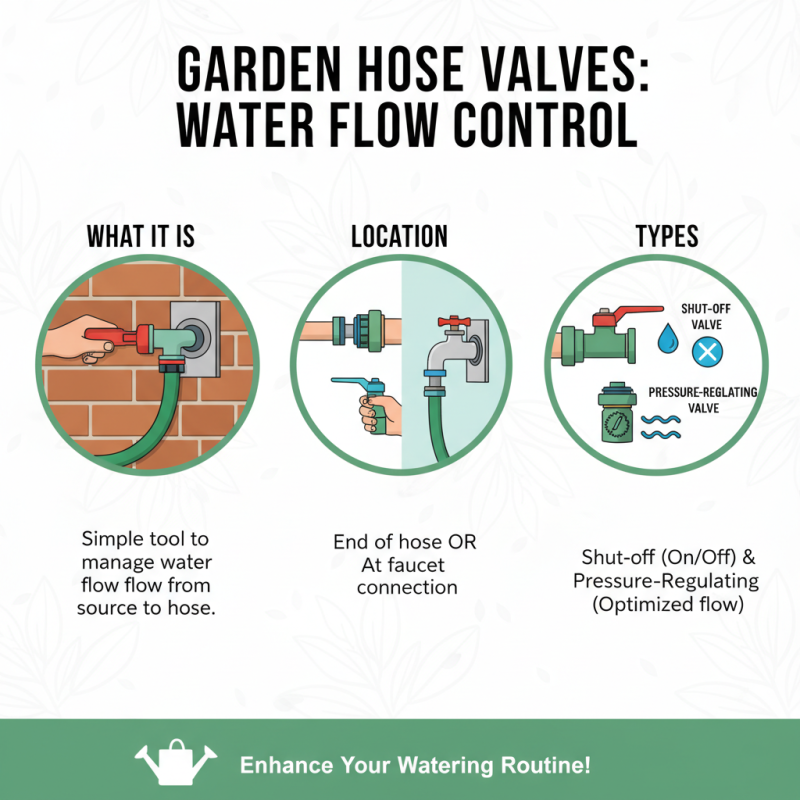
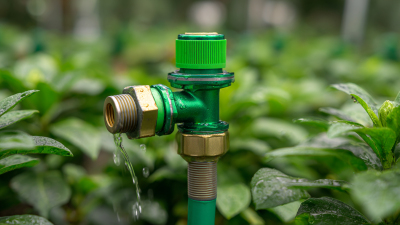
A garden hose valve is a simple but essential tool for managing water flow. It controls the water supply from the source to your garden hose. This valve can be found at the end of the hose or where the hose connects to a faucet. Garden hose valves come in different types, including shut-off valves and pressure-regulating valves. Each serves a specific purpose that can enhance your watering routine.
When using a garden hose valve, proper adjustment is key. Too tight can lead to leaks, while too loose might cause unwanted spraying. A valve that doesn’t function well can frustrate your gardening efforts. It’s vital to check your valve regularly for signs of wear and tear.
**Tips:** Always ensure the valve is turned off when not in use. This prevents leaks and saves water. Additionally, consider cleaning the valve periodically to maintain its effectiveness. A malfunctioning valve can decrease your watering efficiency. Make it a habit to inspect and replace any faulty components. Regular maintenance means a smoother watering experience.
Types of Garden Hose Valves and Their Functions
Garden hose valves play a vital role in outdoor watering systems. They control the flow of water through your garden hose. Understanding the different types of valves helps you choose the right one.
There are several types of garden hose valves. The most common is the shut-off valve. It allows you to stop the water flow without disconnecting the hose. Another type is the pressure regulator. This valve controls water pressure, preventing damage to your hose or plants.
Keep in mind the importance of choosing the right valve for your needs. A valve that is too small may reduce water pressure. Always check for leaks after installation. Invest time in maintenance to ensure your valves work properly.
Tips: Regularly inspect your valves for signs of wear. A well-maintained valve lasts longer. Also, remember that a faulty valve can waste water and money.
Types of Garden Hose Valves and Their Functions
How Does a Garden Hose Valve Operate?
A garden hose valve is a crucial tool for managing water flow in your outdoor spaces. It regulates how much water flows through the hose. Typically, these valves feature a simple mechanism that can be turned on or off easily. When you twist the handle, it either opens or closes the flow. This direct control helps prevent water wastage, a growing concern in many regions.
How does a garden hose valve operate? When activated, water pressure from your source pushes against a diaphragm or a rubber washer inside the valve. This action either permits or restricts the flow of water, depending on the position of the handle. While this process is straightforward, not all valves function perfectly. Some may leak or experience wear over time. Proper maintenance is essential for efficiency, as even a small leak can waste up to 20 gallons of water a day, according to industry reports.
Tip: Always check your valve for any signs of wear. Even a tiny crack can lead to significant water loss. Regular inspection can save money and help the environment. If you notice leaks, replacing the rubber washer often solves the issue.
Remember, a proper garden hose valve can improve your gardening experience. It allows for a quick shut-off without running back to the spigot. However, if not cared for, your valve can become more of a nuisance than a help. Keeping it in good working order requires attention and occasional repairs.
Common Issues with Garden Hose Valves and Troubleshooting Tips
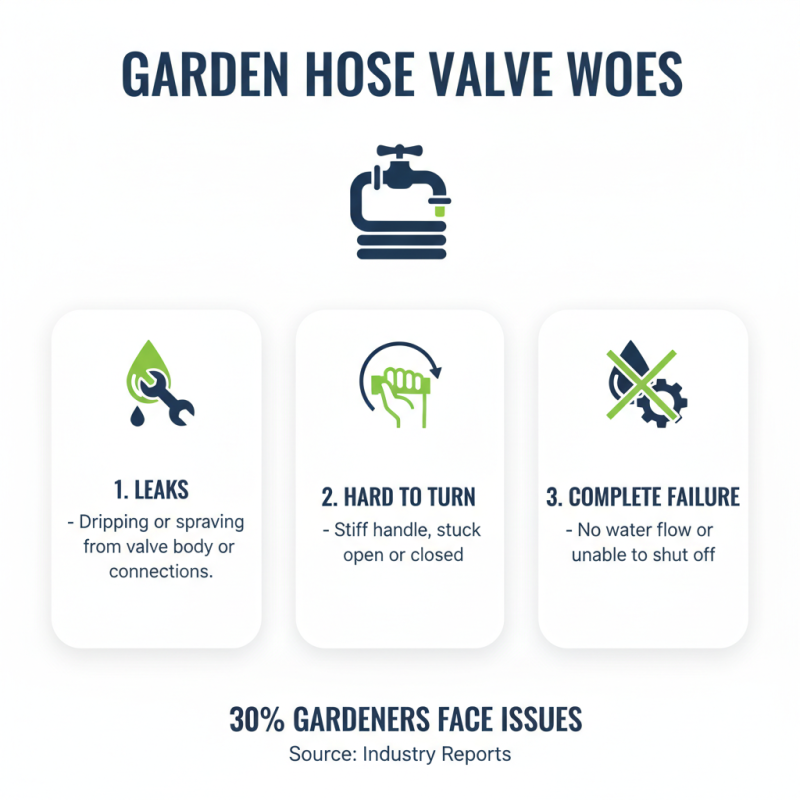
Garden hose valves play a crucial role in managing water flow. They allow users to control the water supply easily. However, these valves can become problematic over time. Common issues include leaks, difficulty in turning, or complete failure to open or close. According to industry reports, over 30% of gardeners have faced issues with their hose valves. Understanding these problems can save time and effort.
Leaking valves can waste significant water, leading to higher bills. It's essential to check for worn seals or loose fittings. A simple tightening might solve the issue, but sometimes, replacement is necessary. Many homeowners overlook regular maintenance. This neglect can lead to bigger problems later. If your valve feels stuck, applying lubricant might help. However, don’t force it; doing so could cause damage.
Another frequent issue is mineral buildup, especially in hard water areas. This buildup can restrict flow. Cleaning the valve with vinegar can help dissolve these deposits. If troubleshooting fails, consulting a professional may be wise. Industry surveys reveal that 45% of users prefer to hire help for persistent valve issues. Taking proactive steps can enhance the longevity of your garden hose valve and ensure efficient watering.
Maintenance and Care for Garden Hose Valves
Proper maintenance of garden hose valves can greatly extend their lifespan. According to the National Gardening Association, nearly 20% of gardeners experience issues with their hoses each season. Regular checks can prevent leaks and other malfunctions. Inspect the valve for any signs of wear. Look for cracks or corrosion which indicate it may need replacement.
Cleaning is essential for efficient operation. After each use, drain any remaining water. This helps prevent freezing in colder months, which can cause damage. Yearly inspections can reveal buildup that may affect function. Use a mild detergent to clean the valve. Rinse thoroughly to avoid leaving any residue.
Lubricating the valve may seem unnecessary, but it is crucial for smooth operation. A silicone-based lubricant can help significantly. Just a little can make a big difference. Neglecting this step may lead to sticking or jamming. A small effort can save you from future headaches. Make it a habit to evaluate your garden hose valve regularly to enhance your gardening experience.