What is a Faucet Adapter and How Does It Work?
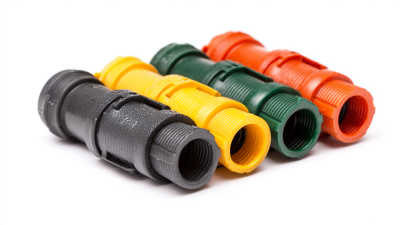
A Faucet Adapter is a small but significant device. It connects hoses or appliances to a standard faucet. Understanding how it works can enhance your home’s efficiency. Many overlook its importance until a need arises.
Installing a Faucet Adapter is often straightforward. It involves screwing it onto the faucet. However, the exact fit is crucial. A poor fit can lead to leaks. Selecting the right size matters greatly. This is a common pitfall for many users.
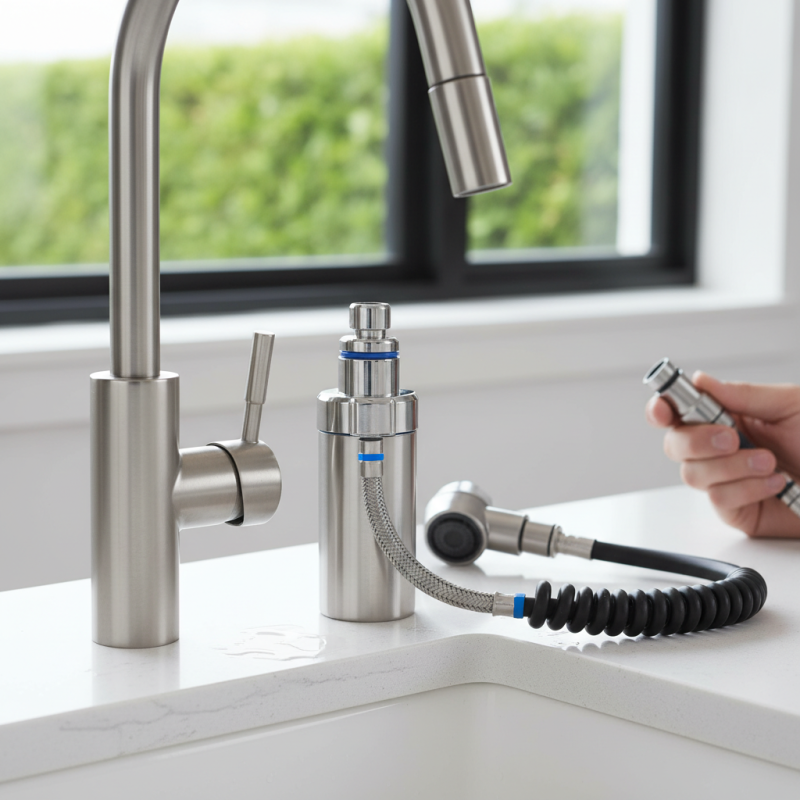
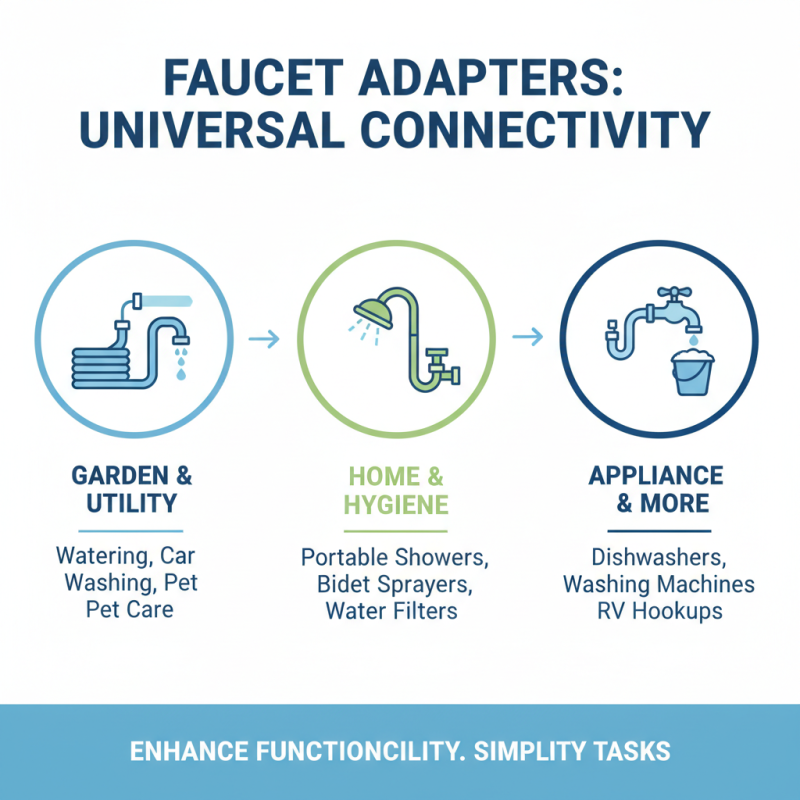
In addition, a Faucet Adapter can be versatile. It allows for different attachments, like sprayers or water filters. Yet, some may find it complex to choose the right type. Experimenting might be necessary, and some failures are possible. Embracing these challenges enhances user knowledge.
What is a Faucet Adapter?
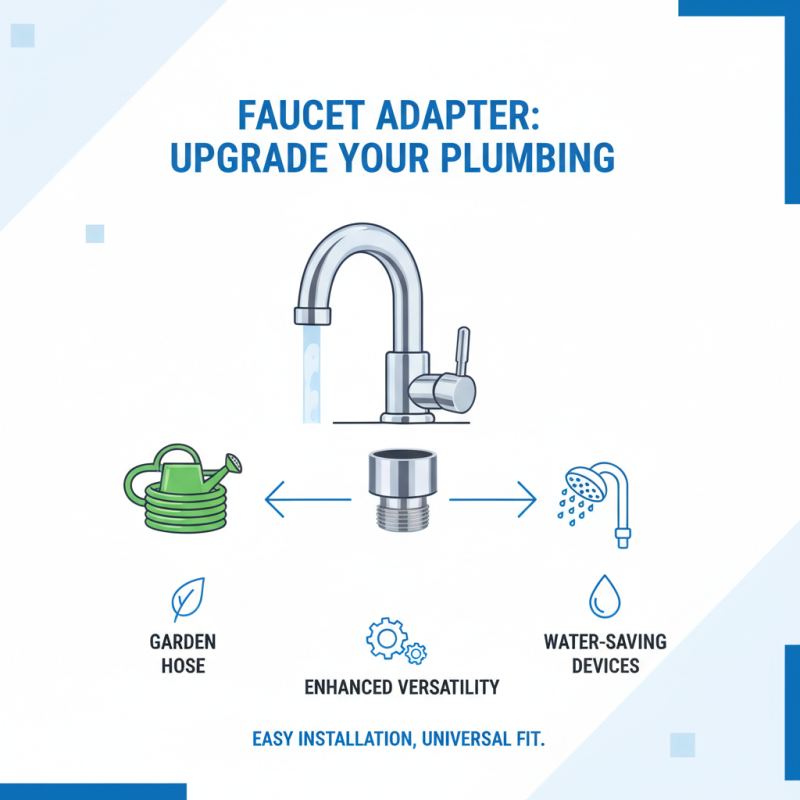
A faucet adapter is a simple yet essential device. It connects different types of hoses or attachments to a standard faucet. This small tool can significantly enhance the versatility of your plumbing system. In households, many people use adapters for connecting garden hoses or water-saving devices.
According to a report by the American Society of Plumbing Engineers, around 25% of water usage in homes comes from outdoor activities. Many homeowners miss out on optimizing water use. A faucet adapter makes it easy to switch between tasks, like watering plants or washing cars. Yet, not all adapters fit every faucet style. Factors like size and thread type can complicate installation.
The convenience of faucet adapters is often undermined by installation challenges. Improper fittings can lead to leaks. In fact, research from the Plumbing Manufacturers International shows that about 15% of faucet connections experience issues that waste significant water. Consumers need to choose adapters wisely to avoid frustration. It's worthwhile to check compatibility before purchasing an adapter. Whether for convenience or efficiency, understanding faucet adapters is crucial for modern water management.
Types of Faucet Adapters Available
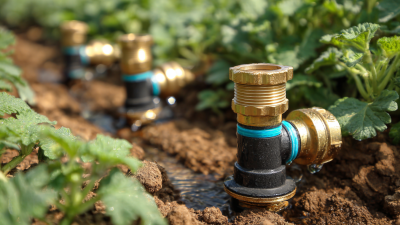
Faucet adapters are essential for connecting various devices to your faucet. They cater to different needs and enhance functionality in your home. There are several types of faucet adapters available, each designed for specific applications.
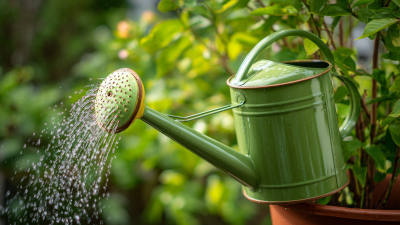
One common type is the garden hose adapter. This adapter allows you to attach a garden hose directly to your faucet. The ease of installation appeals to many homeowners. According to a recent industry report, about 30% of households utilize garden hoses for lawn maintenance.
Another popular type is the aerator adapter, which helps improve water flow and conserve water. This can lead to savings on water bills, as studies show that 40% of water usage in homes comes from faucets.
Some adapters can be tricky to fit. Not all faucets have compatible threads. Installation mishaps can lead to leaks or improper connections. It's crucial to check compatibility before purchasing. Larger waste adapters for kitchen sinks showcase this issue. While they are useful, not every sink fits every adapter. This may result in wasted time and resources. Overall, knowing the types available is vital for anyone looking to enhance their plumbing system.
How to Install a Faucet Adapter
Installing a faucet adapter can enhance your plumbing experience. It allows you to connect various devices to your faucet. The process may seem straightforward, but it has its challenges. Understanding the components is crucial for success.
Begin by gathering your tools. You'll need an adjustable wrench and some plumbing tape. Turn off the water supply before you start working. Remove the aerator or any existing attachments from your faucet. Sometimes, they can be stubborn. Clean the threads on your faucet to ensure a tight seal.
Next, wrap plumbing tape around the threads. This prevents leaks after installation. Now, attach the faucet adapter. Hand-tighten it first to avoid cross-threading. Use your wrench for a snug fit, but be gentle. Over-tightening can lead to cracks. Finally, turn the water supply back on. Check for any leaks. If you notice any drips, you may need to readjust the adapter.
Benefits of Using a Faucet Adapter
A faucet adapter is a practical tool designed to connect various hoses and devices to your standard faucet. Using a faucet adapter can streamline tasks and improve efficiency in your home or garden. According to recent surveys, around 40% of households are now utilizing faucet adapters for improved functionality.
One significant benefit of a faucet adapter is water conservation. A study from the Environmental Protection Agency indicates that using efficient faucet attachments could save an estimated 700 gallons of water annually. This reduction not only cuts down on water bills but also contributes to better environmental practices. Adopting such devices aligns with the Sustainable Development Goals, emphasizing sustainable water usage.
Moreover, faucet adapters enhance convenience. Many users report completing chores more quickly. They can effortlessly switch from cleaning dishes to watering plants. However, some may face installation challenges. Improper fittings can lead to leaks and wasted water. Addressing these simple issues is crucial for maximizing the benefits of the adapter while minimizing frustration. Small adjustments during setup often lead to significant improvements.