How to Choose the Right Faucet Adapter for Your Needs?
Choosing the right faucet adapter is crucial for efficiency in water usage. In recent years, the demand for faucet adapters has surged, with reports indicating a growth rate of 8% annually in the plumbing accessories market. This reflects consumers' increasing awareness of water conservation and the need for compatible plumbing fixtures. Many households face challenges when selecting the proper adapter. Options available often lead to confusion, resulting in poor choices that affect water flow and efficiency.
Adapting a faucet can seem straightforward, yet many overlook essential factors. Compatibility is key. A mismatched faucet adapter can lead to leaks and increased water bills. According to industry statistics, as much as 20% of water used in homes is wasted due to improper fittings. This highlights the importance of making an informed decision when purchasing a faucet adapter.
Even so, the process can feel overwhelming. Limited guidance may leave consumers uncertain about which products suit their specific needs. While manufacturers provide specifications, they may not address all user concerns. A thoughtful approach is necessary to avoid the pitfalls associated with incorrect installations.
Understanding Different Types of Faucet Adapters Available in the Market
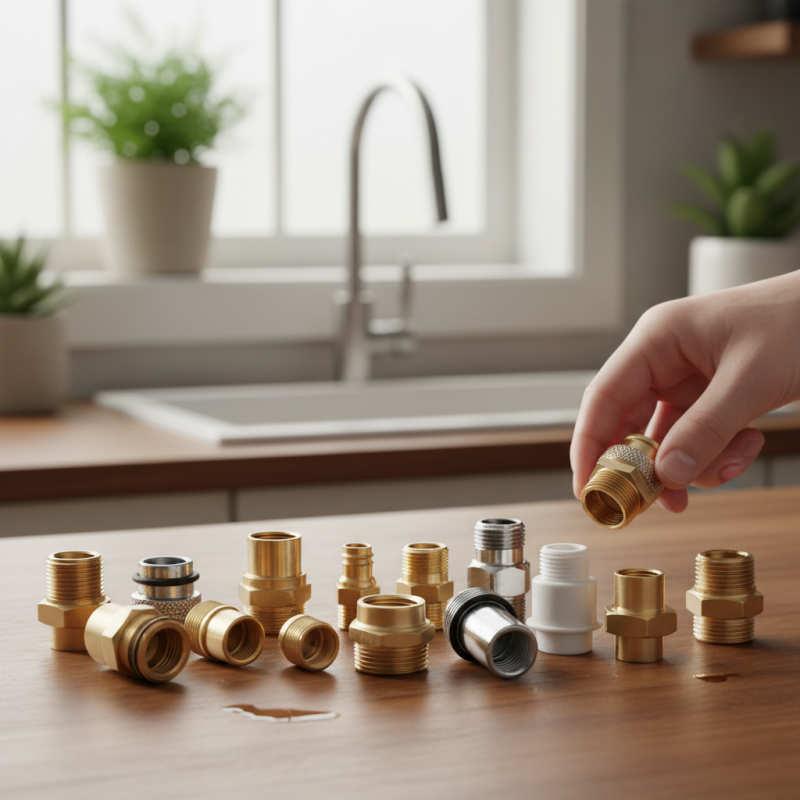
When choosing a faucet adapter, it's vital to understand the types available. There are various types designed for different needs. Commonly, you will find types for standard sink fixtures and those for garden hoses. Some adapters are universal, fitting a range of sizes. Others are specific, ensuring a tighter fit.
Consider the material as well. Many adapters are made of plastic, while some are metal for durability. Metal adapters often resist wear and provide a longer service life. Check if the adapter can handle the water pressure in your home too. Some may not perform well under high pressure.
**Tip:** Always measure the faucet before purchasing an adapter. Having accurate measurements ensures you buy the right size.
If you're unsure about the installation process, don't worry. Many adapters come with simple instructions. However, be prepared; sometimes, you might need an extra tool.
**Tip:** Read reviews before making a choice. It can guide you to better options. Some products might not meet expectations, leading to frustration later.
How to Choose the Right Faucet Adapter for Your Needs?
| Adapter Type |
Suitable Faucets |
Connection Size |
Usage |
Features |
| Standard Threaded Adapter |
Kitchen and Bathroom Faucets |
3/4 inch or 1/2 inch |
General Use |
Durable and corrosion-resistant |
| Pull-Out Faucet Adapter |
Pull-Out Kitchen Faucets |
3/4 inch |
Flexible Use |
Swivels for easy access |
| Compression Adapter |
Older Faucets |
1/2 inch |
Retrofit Use |
Easy installation with no special tools |
| Quick-Connect Adapter |
Standard and Pull-Out Faucets |
3/4 inch |
Quick Installation |
Fast and reliable connection |
| Adapter with Flow Control |
Most Standard Faucets |
Various Sizes |
Water Conservation |
Regulates water flow |
Identifying Your Plumbing System and Compatibility Requirements
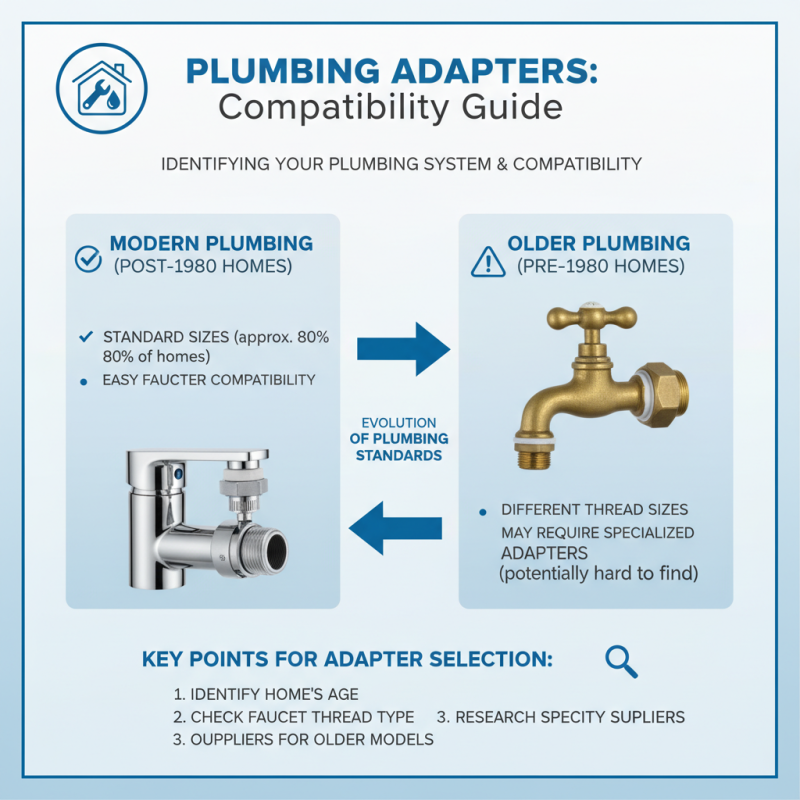
When selecting a faucet adapter, understanding your plumbing system is crucial. Most homes feature standard plumbing sizes, but variations exist based on age and construction style. For example, an estimated 80% of homes built before 1980 have different thread sizes. Older models might require specialized adapters, which might not always be available.
Compatibility requirements play a significant role in the selection process. Different materials, such as brass and plastic, can affect durability and fitting. According to industry reports, around 30% of homeowners face issues related to improper connections. This often leads to leaks or reduced water pressure.
Identifying your faucet type is another important step. Nearly 50% of consumers struggle to determine if they have a compression or cartridge faucet. This can be frustrating. It may take multiple attempts to find the right adapter. Even small errors can lead to costly repairs later. Understanding your system now saves time and money in the long run.
Factors to Consider When Selecting a Faucet Adapter
Choosing the right faucet adapter requires considering various factors.
Water pressure is crucial. According to industry reports, many households have water pressure levels between 40 to 60 psi.
A mismatched adapter can lead to leaks or inefficiencies.
Another critical aspect is the thread size. Different faucets have different thread standards.
A mismatch could render your adapter useless. For instance, most faucets utilize either 15/16" or 55/64" sizes.
Make sure you measure correctly to avoid frustration.
Material matters too. Brass and plastic adapters serve different purposes.
Brass tends to be more durable but may cost more.
Plastic can be lightweight and affordable, but it might not withstand high pressure.
Balancing cost versus longevity is essential. It's often a trial-and-error process,
and not every choice fits all scenarios. Research and adaptability are key in your selection journey.
Installation Tips for Your New Faucet Adapter
Choosing the right faucet adapter can feel daunting. Understanding the installation process is essential for a successful setup. Many homeowners overlook this crucial step, leading to frustration later on. Did you know that improper installation can lead to over 30% of leaks in household plumbing systems? Taking time to install correctly is key.
To start, make sure your workspace is clean and organized. Gather all the tools you’ll need: a wrench, plumber’s tape, and a cloth. It’s common to forget these items, which can lead to delays. When attaching the adapter, ensure the thread matches your faucet size. This can prevent future leaks and malfunctions.
Tip: Apply plumber’s tape to the threads. This helps improve the seal and reduce the risk of leaks. Remember to hand-tighten first. Over-tightening can damage the fittings. Small details matter in plumbing. A little caution can save you money and stress in the long run. A small error during installation often leads to bigger problems down the road. Keep this in mind as you proceed.
Faucet Adapter Types and Their Popularity
Common Issues and Troubleshooting with Faucet Adapters
Faucet adapters can simplify your plumbing tasks, but they often come with common issues. One frequent problem is leaks. This typically occurs when the adapter does not fit properly. Always check the size before installation. A loose connection can lead to water wastage and damage to fixtures.
Another challenge is compatibility. Not all faucets work with every adapter. You may find yourself struggling to connect your hose or appliance. It’s frustrating to realize you bought the wrong piece. Take patience when choosing an adapter. Consider the model of your faucet closely.
Tips for troubleshooting include inspecting for cracks. A damaged adapter can cause leaks. Tightening connections is also essential. Sometimes a simple adjustment fixes the problem. Be mindful that some adapters can break easily. Using excessive force can damage them further. Regular checks on your faucets can save you trouble down the road.