How to Choose the Best Garden Sprinkler for Your Needs?
Choosing the right Garden Sprinkler can significantly impact your garden's health. A report by the Irrigation Association states that efficient irrigation can reduce water usage by up to 50%. Yet, many homeowners still struggle with selecting the best option.
Different gardens have varying needs. A small flower bed may require a simple handheld sprinkler, while large lawns benefit from oscillating or rotating sprinklers. It's essential to understand your garden's specific requirements before purchasing.
Consider potential challenges like water pressure and coverage area. According to industry surveys, 70% of gardeners fail to assess these factors. This leads to inefficient watering and unhealthy plants. Reflecting on these aspects is crucial for optimal garden care.
Understanding Different Types of Garden Sprinklers
When choosing a garden sprinkler, understanding the different types is essential. Sprinklers vary in design, performance, and suitability. For instance,
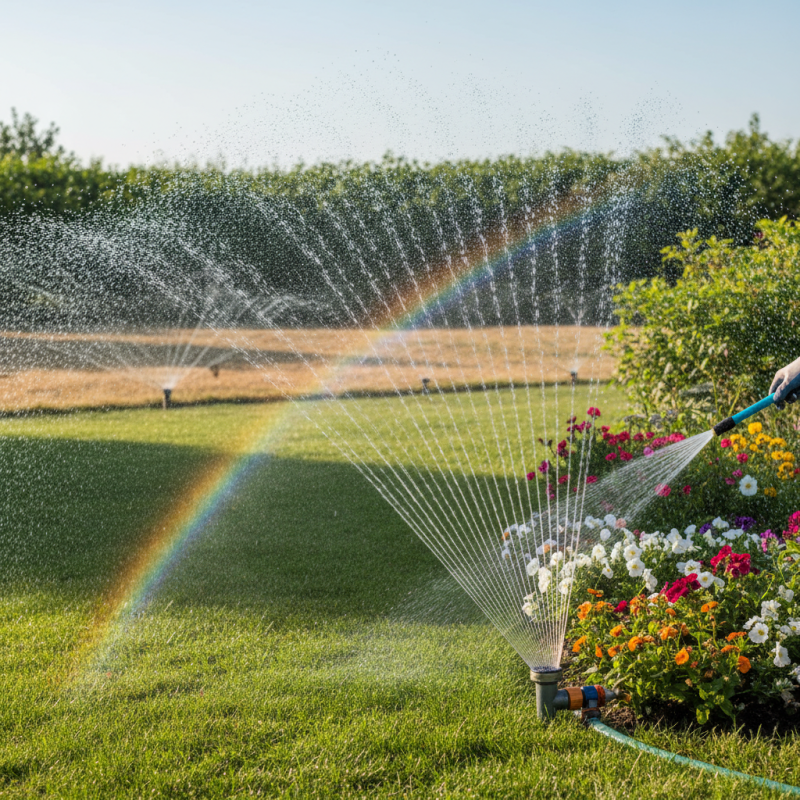
oscillating sprinklers distribute water in a wide, fan-like manner. They cover large areas effectively. A study shows they can increase watering efficiency by
25% compared to traditional methods. However, their complexity can lead to maintenance challenges.
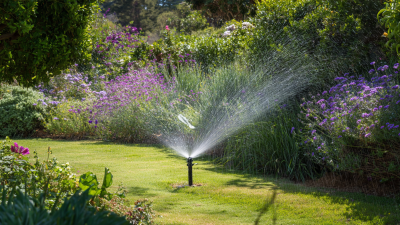
Rotating sprinklers are another popular option. They offer targeted watering, making them ideal for flower beds or specific plants. According to a
recent report, rotating models save up to 30% more water than stationary ones. However, they can create uneven moisture distribution if not positioned correctly.
Improper settings may lead to overwatering in some areas and dryness in others.
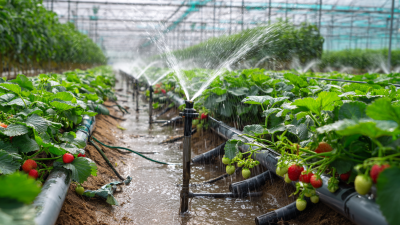
Soaker hoses are a more passive choice. They release water slowly, saturating the soil directly. Research indicates they can reduce
water usage by nearly half compared to overhead watering systems. Still, they require careful installation. Over time, clogs can occur, compromising their effectiveness.
Balancing efficiency and maintenance is crucial when selecting the best solution for your garden.
Evaluating Your Garden Size and Layout
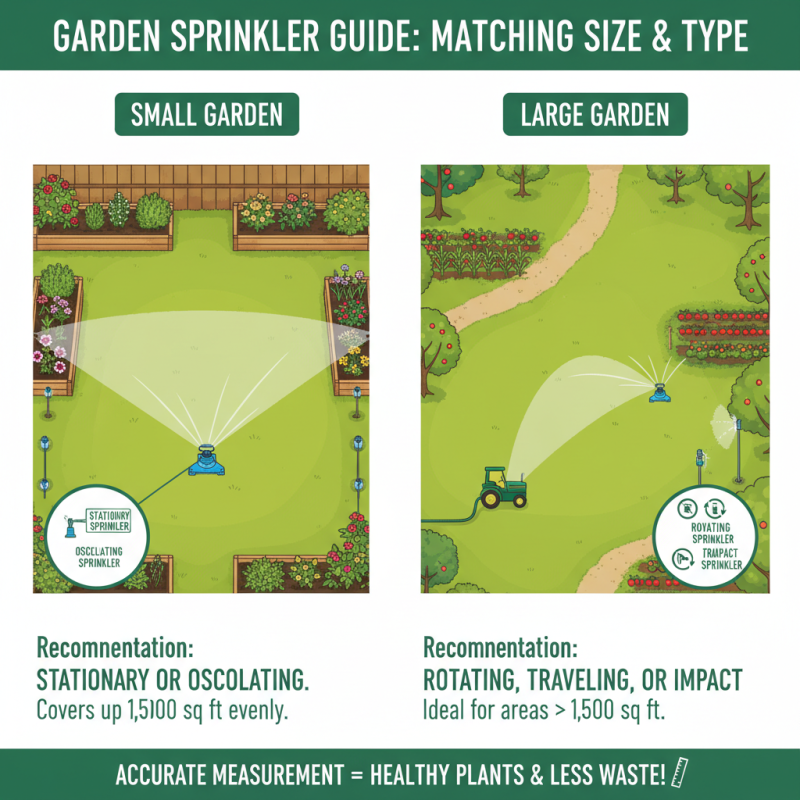
When selecting a garden sprinkler, understanding your garden size and layout is crucial. A 2022 industry report indicated that 75% of gardeners experience uneven watering due to size miscalculations. This can lead to wasted water and unhealthy plants. Small gardens might benefit from stationary or oscillating sprinklers, while larger spaces often require rotating, traveling, or impact sprinklers. It’s essential to measure your garden accurately.
Consider the shape of your garden too. A linear layout may require different equipment compared to a more complex space filled with flower beds and vegetable patches. For instance, circular sprinklers struggle to cover corners effectively. If a sprinkler doesn’t fit your garden’s shape, it won’t perform well. An estimated 40% of gardeners reported dead patches due to wrong sprinkler choice.
Evaluate the water pressure in your area. If it's low, some systems may not operate as intended. Unforeseen landscape features, like trees or fences, can block water flow. A 2021 survey revealed that only 25% of homeowners review their pressure before installation. This oversight can result in areas receiving less water than others, necessitating reconsideration of your initial sprinkler choice.
Consideration of Water Source and Pressure Requirements
Choosing the right garden sprinkler involves understanding your water source and the pressure available. Different sprinklers require different pressures to operate efficiently. If you have low water pressure, some models may not work well.
Start by checking the pressure at your water source. Many homes have pressure gauges that can help. If yours doesn’t, consider installing one. The ideal pressure is usually between 30 and 50 psi for most sprinklers. Low pressure might lead to weak spray and uneven coverage.
Think about your water source too. A hose, well, or municipal supply all offer different characteristics. A well might have fluctuating pressure, while a hose can be more consistent. This variability can impact your sprinkler’s performance. A mismatched combination can lead to frustration and wasted water. If unsure, consult a local garden expert or do some testing on your own.
Identifying Specific Plant Watering Needs
Understanding the watering needs of specific plants is crucial for successful gardening. Different plants have varying requirements. For example, succulent plants generally thrive in drier conditions, while leafy greens prefer consistent moisture. According to a report by the American Society of Landscape Architects, about 80% of all plant problems stem from improper watering.
When selecting a sprinkler system, consider the moisture levels required by your plants. Too much water can lead to root rot, while too little can cause wilting. A study published in the Journal of Irrigation Science shows that plants like tomatoes need about 1 to 1.5 inches of water per week during the growing season. This illustrates the importance of adjustments based on plant type and local climate.
Maintaining a balance is not easy. Gardeners often struggle to find the right watering frequency. For example, sandy soils drain quickly, needing more frequent watering. Conversely, clay soils retain water, requiring less. Observing your plants closely can help. Look for signs of stress, such as browning leaves or wilting. This can guide you to adjust your watering schedule effectively.
Exploring Additional Features and Accessories for Sprinklers
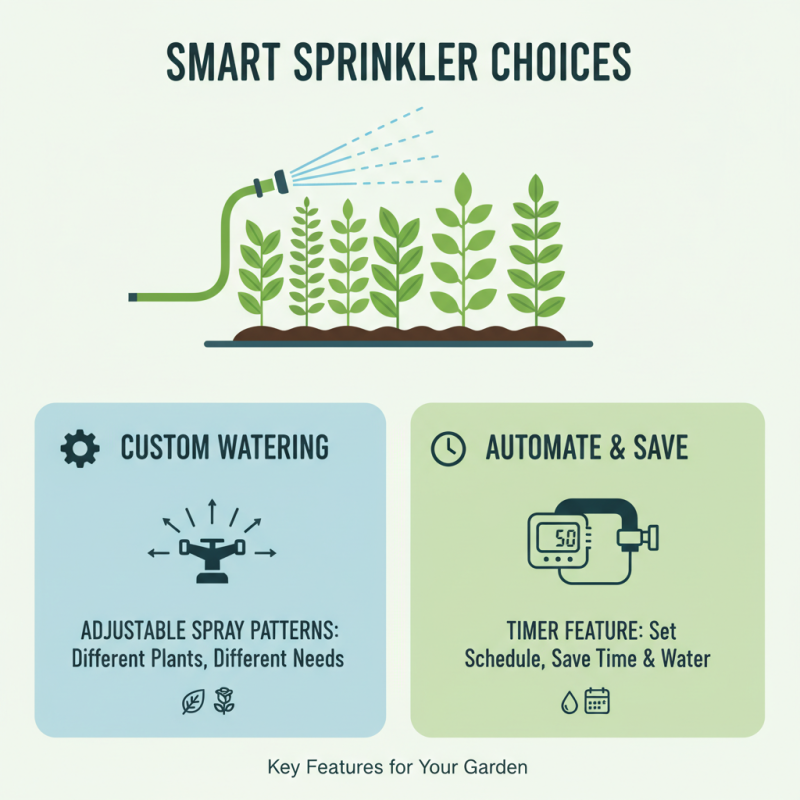
When choosing a garden sprinkler, it’s essential to consider additional features and accessories. Many sprayers offer adjustable spray patterns, allowing you to customize your watering. This can be handy for different plant types. Some models even include a timer feature. A timer can help automate your watering schedule, saving you time and effort.
Another useful accessory is the hose connector. This simple tool ensures a secure attachment between the hose and the sprinkler. Without it, leaks can occur, wasting water and causing frustration. Consider a filter as well. A filter can prevent debris from clogging your sprinkler, maintaining efficient performance over time.
On the other hand, some additional features may complicate usage. You might find yourself overwhelmed by too many options. It could be easy to overlook essential functions while exploring fancy extras. Be realistic about what you truly need for your garden. Not every feature will suit every gardener or garden space. Prioritize based on your unique requirements.