How to Choose the Right Hose Connector for Your Needs?
Choosing the right Hose Connector can seem daunting. With various options available, it's easy to feel overwhelmed. A Hose Connector is essential for efficient water flow in gardening, maintenance, or industrial uses.
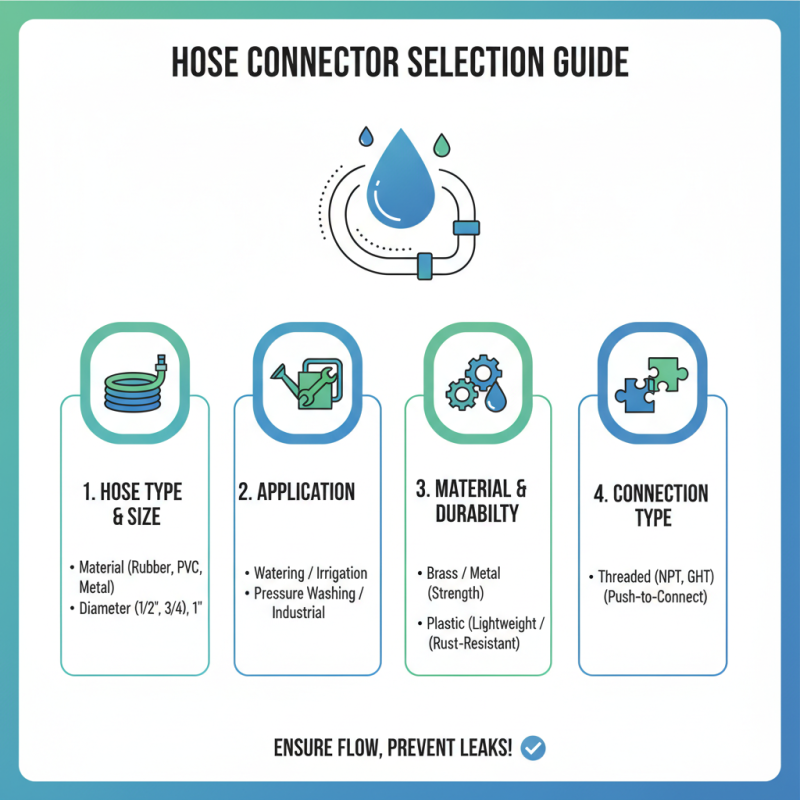
When selecting the perfect connector, consider the material and size. Plastic, metal, and rubber options each serve different purposes. Think about where you'll use it. Will it endure harsh weather or chemicals? This impacts durability.
It's important to reflect on your specific needs. An unsuitable connector can lead to leaks or inefficiency. Sometimes, trying different options can help identify the most fitting choice. Don’t rush; take your time to ensure you find the right Hose Connector that meets your requirements effectively.
Understanding Different Types of Hose Connectors Available in the Market
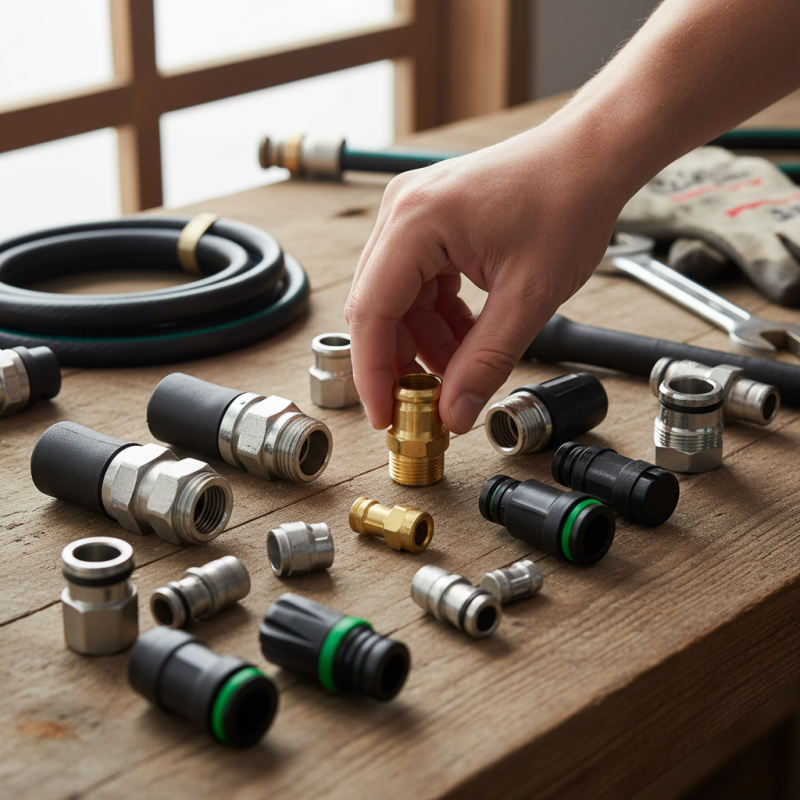
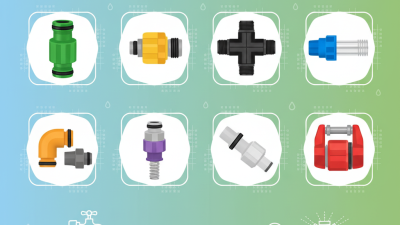
When selecting a hose connector, understanding the various types available is crucial. The market offers several options. For example, there are threaded connectors, barbed connectors, and quick-connect fittings. Each type serves specific functions and applications. According to a recent industry report, about 40% of consumers overlook material durability when making a choice. This can lead to premature wear and leaks.
Threaded connectors often provide a secure fit, ideal for high-pressure applications. Barbed connectors, on the other hand, are perfect for flexible hoses, facilitating easy straining and detaching. Data shows that mismatches in connector types account for nearly 30% of installation errors. It highlights the need for careful selection.
Moreover, flexibility in connection can impact usability. Some users find that connectors do not fit well with existing hoses. Incompatibility can cause frustration. A survey revealed that 25% of users had to replace connectors due to this issue. Understanding your hose's needs is not just about fit but also about material and pressure ratings.
Material Choices: Plastic vs. Metal Hose Connectors and Their Pros and Cons
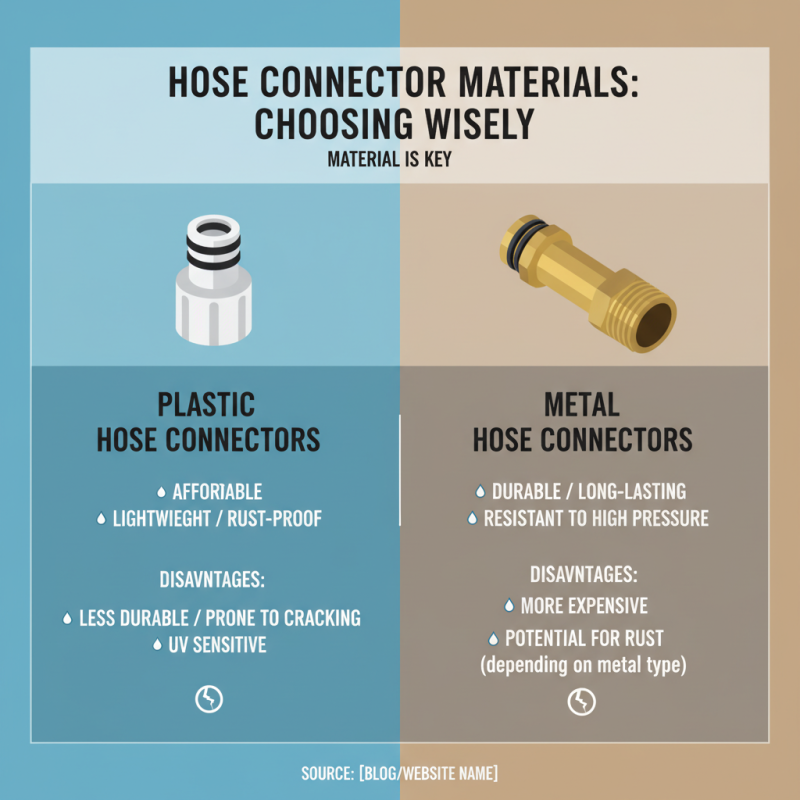
When choosing a hose connector, material is key. Plastic and metal are the two main options. Each comes with its own benefits and drawbacks.
Plastic connectors are lightweight and affordable. They resist corrosion and are easy to handle. However, they may not hold up under extreme pressure. Over time, they can crack or become brittle. This could lead to leaks.
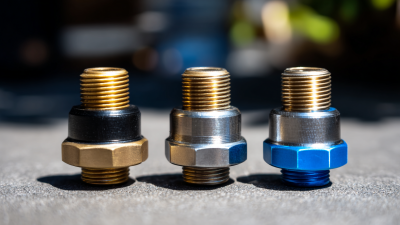
Metal connectors are more durable. They can withstand high pressure and extreme temperatures. They provide a stronger connection. Yet, they are heavier and can rust over time. If you work in humid conditions, this could be an issue.
Tips: Always check compatibility with your hose. Consider the environment where you'll use the connector. Ensure it matches your pressure requirements. Regular maintenance can extend the life of your connectors.
Selecting the right material can be a challenge. Some may prefer the ease of plastic. Others might prioritize strength with metal. Reflect on what matters most for your projects.
Compatibility with Hose Size and Attachment Methods for Optimal Functionality
Choosing the right hose connector significantly influences your watering or fluid transfer tasks. Compatibility with hose size and attachment methods is crucial. Each hose has its specific diameter, which directly impacts performance. According to a report from the Hose Manufacturers Association, mismatched connectors can reduce flow rates by up to 20%. This inefficiency not only wastes water but also energy.
When selecting a connector, consider the hose's inner and outer diameters. Many connectors fit a range of sizes, but not all provide an ideal seal. A loose connection may lead to leaks. On the other hand, a tight fit can be difficult to detach. It’s essential to find a balance. Some users overlook this detail, leading to frustration during use.
The attachment method also matters. Quick-release connectors offer convenience but might not fit all hoses. Screw-on connectors provide a secure fit but require more time to attach and detach. Reports have shown that users often grapple with their chosen method. Compatibility is more than just a number—it’s about ensuring seamless operation. Understanding these factors can enhance your experience and prevent common mistakes.
Maintenance and Care Tips for Prolonging the Life of Your Hose Connectors
Hose connectors are essential tools in gardening and agriculture. Proper maintenance can extend their lifespan significantly. Regularly inspect connectors for wear and tear. Look for cracks or leaks. These damage signs require immediate attention. A damaged connector can lead to water waste and reduced efficiency.
Cleaning is equally important. After every use, rinse the connectors with water. Remove any dirt or debris that may accumulate. This simple step can prevent clogs. Also, avoid leaving connectors exposed to harsh weather. Sunlight and frost can deteriorate materials over time. Storing connectors in a dry, shaded place helps maintain their integrity.
Occasionally, lubricate threaded parts with a silicone spray. It can reduce friction and prevent rust. When using connectors, ensure a proper fit to avoid stress. A poor connection can lead to future problems. Remember, neglecting these small details can lead to bigger issues down the line. Taking care of your hose connectors is key for their longevity.
Hose Connector Selection and Maintenance