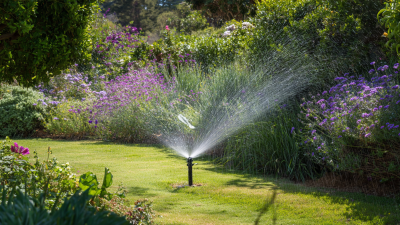
Choosing the right irrigation sprinkler can greatly impact your garden or lawn. An irrigation sprinkler is essential for effective watering. It ensures that every plant receives adequate moisture.
There are various types of irrigation sprinklers available, each serving distinct purposes. Some are better suited for large lawns, while others work well in flower beds. Understanding your specific needs is crucial. Consider factors like landscape size and plant types.
However, selecting the best option can be challenging. Many features may confuse you. You might wonder about efficiency and coverage. Such questions can lead to uncertainty. Reflecting on your garden’s needs helps clarify these choices. Taking the time to research can lead to better decisions. Gardening is a journey, and every choice counts.
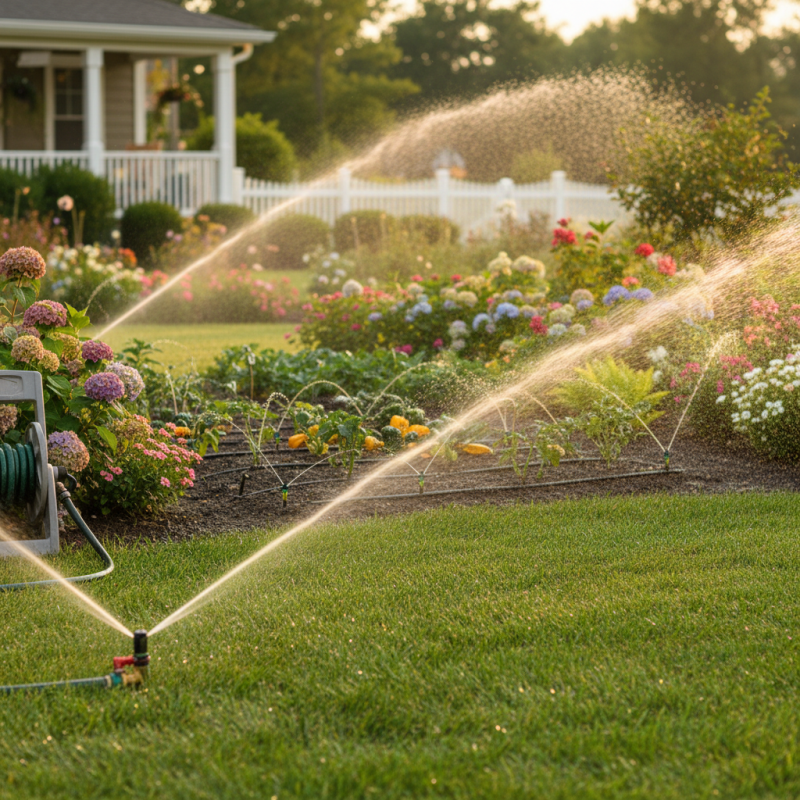
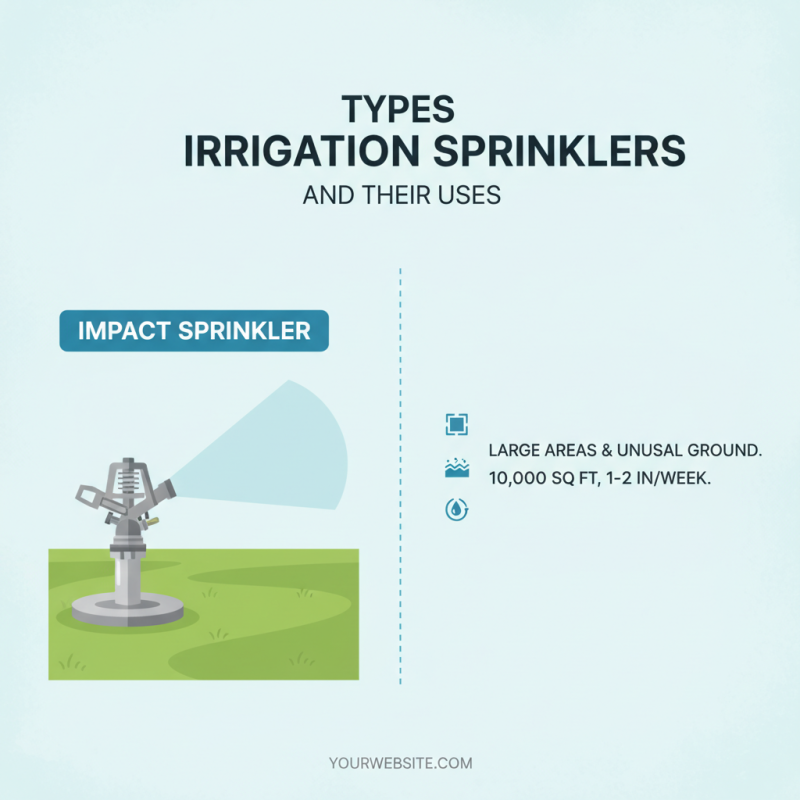
Irrigation sprinklers come in various types, each designed for specific purposes. Understanding these can significantly enhance your watering efficiency. One commonly used type is the impact sprinkler, ideal for large areas and uneven terrain. They work by shooting a stream of water and rotating around a fixed point, covering extensive ground. Data indicates that impact sprinklers can efficiently water a 10,000-square-foot lawn, delivering around 1-2 inches per week, a key requirement for healthy grass.
On the other hand, drip irrigation systems are perfect for gardens and flower beds. They deliver water directly to the plant's roots, minimizing waste. Research shows that drip irrigation can reduce water use by 30-50% compared to conventional sprinklers. This method is particularly useful in arid regions, where water conservation is crucial. However, setup and maintenance may require more effort. Sprinkler choice must consider the specific needs of your landscape, such as soil type and plant species.
While selection can seem straightforward, mistakes can occur. For instance, over-watering can lead to runoff, impacting local waterways. Conversely, under-watering might stress plants. Regular assessment of your sprinkler's performance is essential. Each type has its strengths and weaknesses, so ongoing care and adjustment make a significant difference in irrigation success.
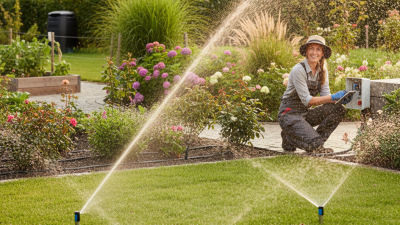
When selecting an irrigation sprinkler, several factors come into play. The size of your garden or lawn significantly influences your choice. A small yard may only need a simple oscillating sprinkler. Larger areas might benefit from a more complex system like a rotor. Consider the plant types as well. Some delicate flowers require gentle watering, while vegetables may tolerate stronger sprays.
Water pressure is another critical consideration. Different sprinklers operate best under varying pressure levels. If your water supply is limited, a low-pressure sprinkler may suffice. Don’t overlook the climate in your region. If you live in a windy area, you may need a sprinkler that can handle those conditions. Your goal should be efficient water usage, ensuring every drop counts.
Finally, think about maintenance. Some models require frequent cleaning and adjustment, while others are more self-sufficient. If you prefer low upkeep, opt for durable materials. It’s essential to weigh performance against ease of use. Spending time upfront to choose wisely can mean fewer headaches later. Each decision impacts your irrigation success.
When choosing an irrigation sprinkler, understanding water pressure and flow rate is crucial. Water pressure affects how far and evenly water is distributed. A typical residential water pressure ranges from 40 to 60 psi. If the pressure is too low, sprinklers may not cover the desired areas. Conversely, excessive pressure can lead to runoff and inefficient watering.
Flow rate, measured in gallons per minute (GPM), also plays a vital role. For optimal performance, your sprinkler system should match the property's available flow rate. For instance, a standard lawn might need 0.5 to 1.5 inches of water per week, translating to about 0.62 to 1.5 GPM for a typical sprinkler. Reports suggest that understanding these metrics can enhance irrigation efficiency by up to 30%. It’s essential to use a pressure gauge and flow meter to determine your specific needs.
Choosing the right settings can sometimes be trial and error. Analyzing the results of your watering patterns may reveal inconsistencies. You might find certain areas remain too dry or too wet. Adjusting your sprinkler head type or placement can often help. This iterative process may take time and careful observation to perfect. Keeping records of any changes can assist in optimizing your system further.
Maintaining your irrigation system is crucial for efficient gardening. Regularly inspect each sprinkler head for blockages like dirt or debris. Clogged sprinklers waste water and reduce coverage. Clear any obstructions and make sure all components are clean. This simple act can enhance your system's performance significantly.
Check for proper alignment of the sprinkler heads. Misaligned heads can lead to unnecessary water loss and uneven watering. Adjust them when needed to ensure uniform coverage. It is also important to monitor the emitted spray pattern. If you notice irregularities, investigate the underlying issues. Sometimes, an adjustment in pressure is all that's required.
Seasonal maintenance is essential. Before winter, drain the system to prevent damage from freezing. In spring, check for leaks and test the entire system. Focus on potential weaknesses as wear and tear can happen over time. Keeping a routine schedule for these checks can save you headaches down the line. Every small detail matters in prolonging the life of your irrigation system.
When choosing the right irrigation sprinkler, cost and efficiency are critical factors. Different types of sprinklers come with varying price tags and performance metrics. For example, impact sprinklers may be less expensive upfront but could lead to higher water bills over time. Consider these long-term costs rather than just the initial investment.
Efficiency varies significantly among options. For dripping systems, the water reaches plant roots directly. This method minimizes waste, but often comes with higher installation costs. Traditional rotating sprinklers cover larger areas but may produce uneven watering. Assessing your garden's layout can help determine the best fit for your needs.
Conducting a thorough cost analysis is essential. Track initial expenses alongside water usage to find the most expert solution for your garden. You might find that a more expensive, efficient model saves money in the long run. Experiment with different setups to see which combination works best. Reflection on efficiency needs will bolster your irrigation choices.
| Sprinkler Type | Initial Cost ($) | Operating Cost (Annual) ($) | Water Efficiency (%) | Coverage Area (sq ft) |
|---|---|---|---|---|
| Fixed Sprinkler | 50 | 20 | 70 | 400 |
| Oscillating Sprinkler | 75 | 25 | 75 | 300 |
| Rotary Sprinkler | 100 | 30 | 80 | 500 |
| Soaker Hose | 30 | 15 | 85 | 200 |
| Drip Irrigation | 120 | 18 | 90 | 100 |