How to Choose the Best Lawn Irrigation Equipment for Your Needs?
Choosing the right lawn irrigation equipment is essential for successful gardening. According to John Green, a renowned irrigation expert, "Investing in proper equipment pays off in lush, green lawns." This statement highlights the significance of selecting the right tools for optimal results.
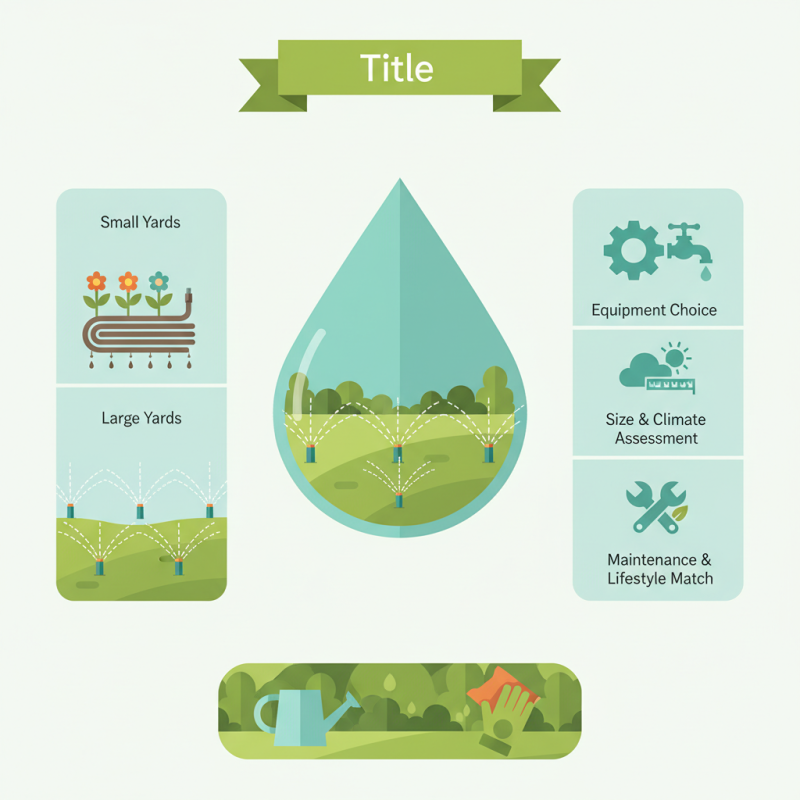
When considering lawn irrigation equipment, one must assess various factors. Different lawns require unique solutions based on size and climate. A small yard may need a simple drip system, while larger spaces might benefit from sprinklers or smart irrigation technology. Each option has its pros and cons, making informed choices crucial.
Reflecting on personal experiences can aid in the decision-making process. For example, many people overlook maintenance needs of irrigation systems. A setup that seems perfect could become a hassle without regular care. Therefore, choosing equipment that aligns with your lifestyle and lawn needs is key to achieving a thriving garden.
Understanding Your Lawn's Watering Requirements
Understanding your lawn's watering requirements is essential for maintaining a healthy landscape. Different types of grass have varying needs. For instance, cool-season grasses often require more water during spring and fall. In contrast, warm-season grasses thrive with less water in cooler seasons. It's important to observe your lawn's growth patterns. Pay attention to areas that dry out quickly versus those that retain moisture.
Monitoring rainfall is equally crucial. Overwatering can lead to root rot and other issues. Conversely, under-watering can stress your lawn, leading to brown patches. A basic rain gauge can help you track rainfall accurately. Remember, different soil types also absorb water differently. Sandy soil drains quickly, while clay retains moisture longer.
Consider the time of day you water. Early morning is ideal, as it reduces evaporation. Evening watering can lead to fungal problems, especially in humid climates. Don't hesitate to adjust your watering schedule based on weather changes. Lawn irrigation requires ongoing reflection and adaptation. Your lawn's health is a dynamic process that reflects your attention to its needs.
Types of Lawn Irrigation Systems Available in the Market
When selecting a lawn irrigation system, knowing the available types is essential.
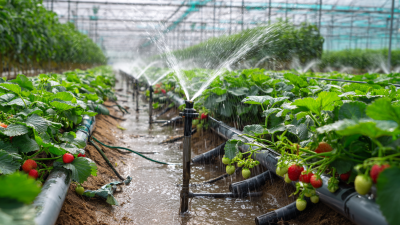
Drip irrigation is highly efficient for gardens and shrubs. This method delivers water directly to the roots, minimizing evaporation. It is simple to install and uses less water than traditional systems.
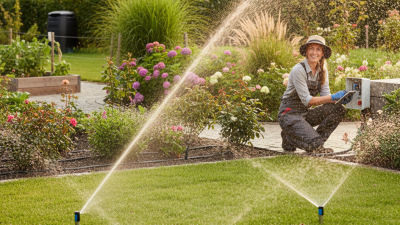
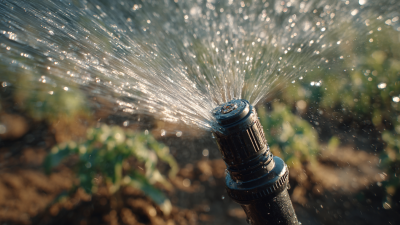
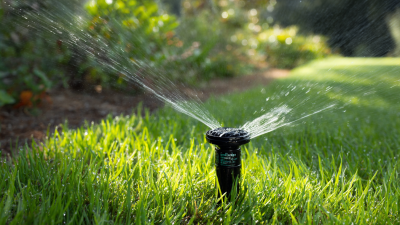
Another popular choice is sprinkler systems. These are versatile, covering large areas. They come in stationary and oscillating designs. Sprinklers work well for lawns, but they may waste water on windy days. Proper placement and timing can reduce this issue.
Tips: Always consider your lawn size before choosing a system. A system too powerful can create puddles.
Make sure to check local regulations. Some areas have restrictions on water usage. Lastly, regularly inspect your system for leaks and clogs.
Maintaining it ensures optimal performance and saves resources.
Considering Your Budget and Long-Term Maintenance Costs
When selecting lawn irrigation equipment, it's crucial to weigh both initial costs and long-term maintenance expenses. According to industry reports, homeowners can spend anywhere from $500 to $3,000 on irrigation systems. However, the upfront cost is just one part of the equation; ongoing maintenance can add considerable expenses over time. Experts suggest that maintaining a system may require an additional 10-15% of the initial investment annually.
Consider the type of equipment you choose. Drip systems may save you water and reduce maintenance issues. In contrast, traditional sprinklers could lead to higher water bills. Effective systems can reduce water usage by up to 30%. Yet, if you don't account for these utility costs, you might overlook significant savings. Neglecting professional installation can also lead to problems, making it vital to follow manufacturer guidelines.
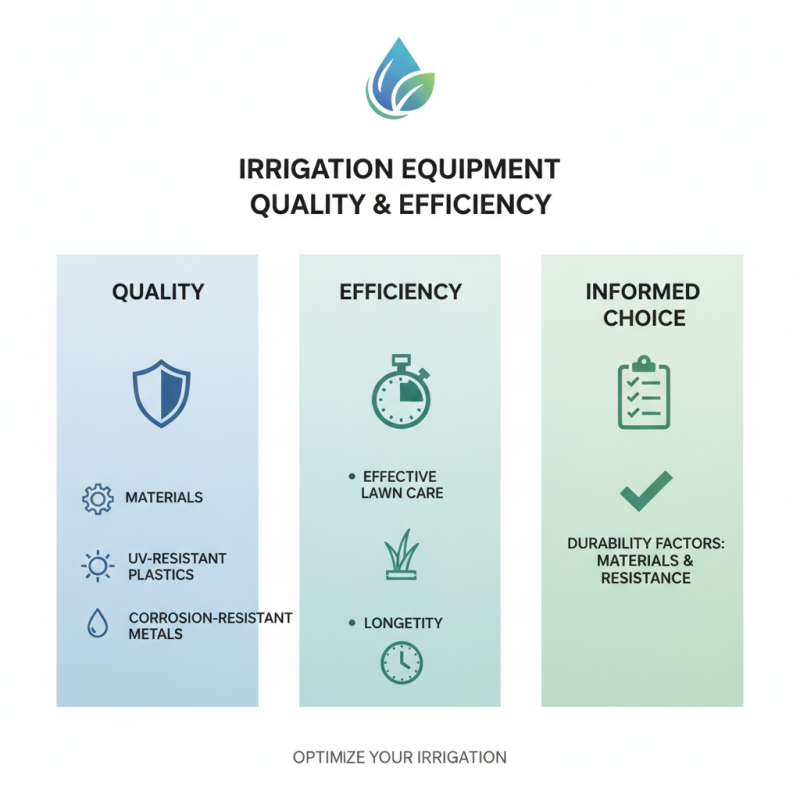
Long-term durability is another factor to evaluate. Some products last longer and require fewer repairs. A 2022 study revealed that homeowners spent nearly $400 annually on repairs for poorly chosen systems. This can be avoided by selecting quality equipment and planning for future needs. Investing in less expensive options may seem wise initially, but this could lead to greater expenses later on. Think critically about maintenance needs as you make your selection.
Choosing the Right Sizes and Features for Your Irrigation Needs
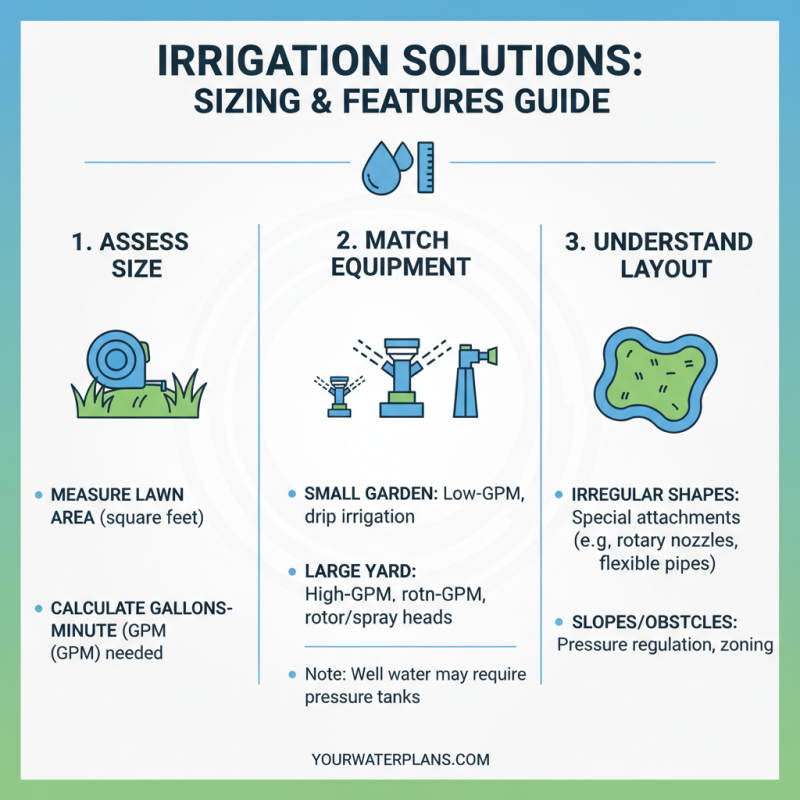
Choosing the right sizes and features for your irrigation needs can be challenging. Start by assessing the size of your lawn. Measure the area to determine the gallons per minute required. A small garden needs different equipment than a large yard. Understanding your yard’s layout is crucial. Irregular shapes may require special attachments.
Features are equally important. Look for adjustable sprinklers to cater to varying water needs. Some plants, like grass, thrive on frequent watering. Others, like drought-tolerant species, require less. When selecting timers, consider programmable options. This will automate your schedule, ensuring efficient water use. Observing your plants can guide adjustments.
Installation may seem straightforward but can pose challenges. Poorly positioned systems may water unevenly. You might find dry patches or oversaturated areas. Regular evaluating of your irrigation setup can lead to better performance. Remember that the right choices today result in a healthy lawn tomorrow. Keep experimenting and learning from your garden’s responses.