How to Choose the Best Automatic Sprinkler for 2026?
Choosing the best Automatic Sprinkler for 2026 requires careful consideration. In an era of increasing droughts and water scarcity, efficiency is crucial. According to a report by the Environmental Protection Agency, efficient irrigation systems can reduce water usage by up to 50%. This statistic highlights the importance of selecting the right Automatic Sprinkler to conserve water while maintaining lush landscapes.
It's essential to consider various factors, such as coverage area and water pressure. Recent industry studies show that improper sprinkler selection can lead to overwatering, causing unhealthy plant growth. Additionally, the technology in this field is evolving rapidly. Smart Automatic Sprinklers now offer innovative features, including rain sensors and Wi-Fi connectivity. While these advancements offer benefits, they may also complicate the decision-making process.
Selecting the ideal Automatic Sprinkler might feel overwhelming. With numerous options available, the risk of making a less-informed choice is high. Understanding specifications and individual needs is key. Balancing technology with simplicity is an ongoing challenge for many consumers. As we approach 2026, staying informed about these developments remains vital for effective water management and sustainable landscaping.
Understanding the Types of Automatic Sprinklers Available in 2026
When it comes to choosing the best automatic sprinkler in 2026, understanding the available types is crucial. The landscape has evolved significantly, with various models designed to meet diverse gardening needs. A key option is the stationary sprinkler. These models offer straightforward functionality and work well for smaller areas. They are also cost-effective, yet they might not cover larger lawns adequately.
Another popular choice is the oscillating sprinkler. It provides a wider coverage, making it ideal for medium-sized yards. These sprinklers use a back-and-forth motion to ensure even watering. However, they may struggle in windy conditions. The rotating sprinkler is also worth considering. This type delivers targeted watering but may require more maintenance.
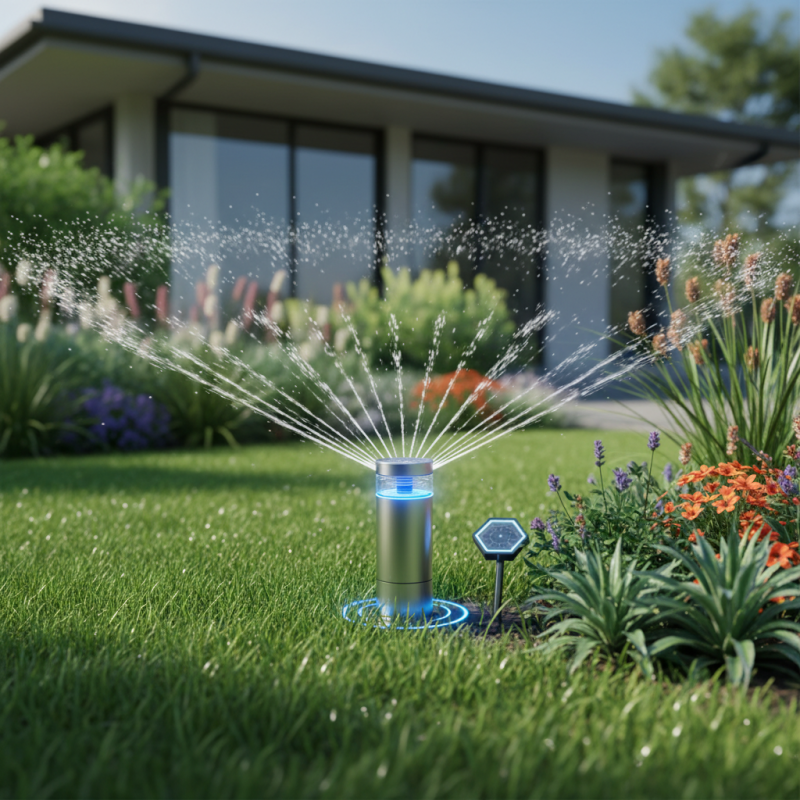
Lastly, smart sprinklers have emerged, integrating technology for better efficiency. They can be programmed via mobile apps, allowing for precise control. This convenience, however, raises concerns about reliance on technology. Both benefits and drawbacks exist. Choosing the right type often involves balancing efficiency, coverage, and personal preferences. Reflecting on these aspects can guide you to the best choice for your garden.
How to Choose the Best Automatic Sprinkler for 2026? - Understanding the Types of Automatic Sprinklers Available in 2026
| Type |
Coverage Area |
Water Efficiency |
Control Method |
Cost Range |
| Rotary Sprinklers |
Up to 500 sq. ft. |
High |
Mechanical Timer |
$50 - $120 |
| Spray Sprinklers |
Up to 300 sq. ft. |
Medium |
Smart Controller |
$30 - $80 |
| Drip Irrigation |
Applicable to any size |
Very High |
Soil Moisture Sensor |
$100 - $300 |
| Sprinkler Systems |
Up to 10,000 sq. ft. |
High |
Fully Automated |
$200 - $800 |
Key Features to Look for in an Automatic Sprinkler System
When selecting an automatic sprinkler system, consider its efficiency. An efficient system can save water and reduce costs. Check if it has smart features that adjust watering schedules based on weather. This can help avoid overwatering. Efficiency not only benefits your garden but also helps the environment.
Look for durability in materials. A reliable sprinkler should withstand various weather conditions. Plastic parts may degrade quickly under harsh sunlight. Metal components often offer more longevity. Regular maintenance is crucial. Inspect the system periodically to ensure it operates smoothly.
Pay attention to ease of installation. Some systems can be complex. User-friendly designs can save you time. Consider whether you can handle installation or need a professional. A well-installed system performs better. Sometimes, the best choice isn’t the trendiest one. Don’t rush your decision; reflect on your specific needs.
Evaluating Water Efficiency and Coverage for Your Lawn
Choosing the best automatic sprinkler requires careful evaluation of your lawn’s needs, especially regarding water efficiency and coverage. A well-designed sprinkler system promotes healthy grass and reduces waste. Start by assessing the size of your lawn. Larger spaces might need more water coverage. Yet, smaller areas could sustain a different sprinkler type that is equally effective.
Water efficiency is crucial. Look for sprinklers that minimize evaporation and runoff. Certain models have adjustable spray patterns. Others offer timers and sensors. These features help in saving water while ensuring your lawn receives adequate hydration. Consider the types of nozzles. Rotating and drip nozzles often result in better water distribution.
However, reliability can sometimes be a challenge. Sprinklers may function less effectively in windy conditions. It’s also essential to maintain them regularly. Clogged nozzles can lead to uneven watering. This situation may create dry patches that are hard to fix. Nearly every model has its limitations. Balancing efficiency and coverage will require some trial and error. It’s a learning process that leads to the best results.
Comparing Smart Sprinkler Controllers and Traditional Options
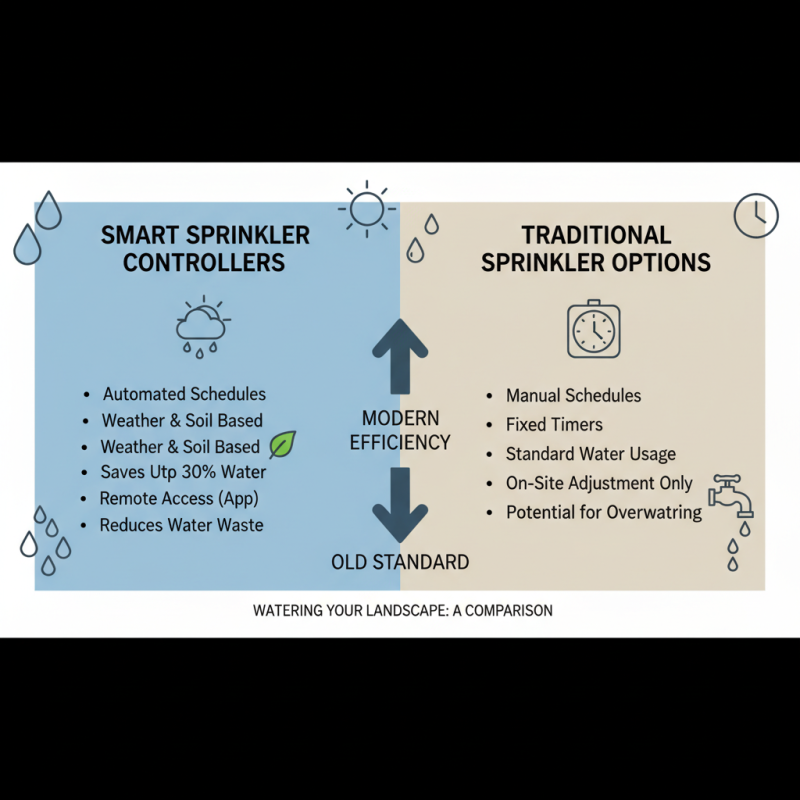
When choosing between smart sprinkler controllers and traditional options, it's essential to understand their differences. Smart controllers adjust watering schedules based on weather predictions and soil moisture. According to a recent industry report, smart systems can reduce water usage by up to 30%. This efficiency is becoming increasingly important as water scarcity issues grow.
On the other hand, traditional systems require manual adjustments. Users must check the weather and understand their plants’ needs. They can be less efficient, often leading to overwatering. Studies show that about 40% of residential irrigation water is wasted due to poor management. This not only affects plants but also increases utility bills.
Smart controllers provide valuable data insights, which can help users optimize their usage. However, not all systems are user-friendly. Some can be complicated to set up or need constant updates. Traditional systems may lack tech features but offer reliability for those who don't want to depend on technology. Balancing efficiency with simplicity is crucial when making a decision in 2026.
Budget Considerations for Purchasing an Automatic Sprinkler System
When considering an automatic sprinkler system, budget plays a crucial role. It's essential to determine how much you can afford before diving into options. Automatic systems can range widely in price, influenced by features and technology. Some basic systems are budget-friendly, while advanced models offer higher efficiency and control at a premium cost.
Think about installation costs too. Some systems require professional installation, while others are DIY-friendly. A licensed contractor may charge more, but their expertise can ensure your system is set up correctly. Evaluate whether you really need all the features in expensive models. Are you getting true value?
Consider long-term savings. Investing in an efficient sprinkler system can reduce water bills considerably over time. However, make sure it suits your landscape's specific needs. It’s worth considering upfront costs against potential long-term benefits. This careful evaluation can help you find the perfect system that balances cost and functionality.