What is the Best Type of Lawn Sprinklers for Your Garden?
When it comes to maintaining a vibrant garden, selecting the right lawn sprinklers is crucial. Recent industry reports reveal that nearly 65% of homeowners underestimate the importance of proper irrigation systems. Lawns require about 1 to 1.5 inches of water each week to flourish. However, many homeowners often overlook this crucial aspect.
Different types of lawn sprinklers are designed for various garden sizes and shapes. For instance, stationary sprinklers work well for small, flat areas. In contrast, oscillating models cover larger spaces efficiently. Studies show that an efficient sprinkler system can reduce water usage by up to 30%. This is vital in areas facing water shortages.
Yet, many still struggle with their sprinkler selection. It can be overwhelming with numerous options available. Factors such as coverage area, water pressure, and usability matter greatly. Finding the best lawn sprinklers requires careful consideration. A mismatch can lead to over-saturation or dry patches. Thus, it’s essential to reflect on your garden's unique needs before making a choice.
Types of Lawn Sprinklers: An Overview of Options for Your Garden
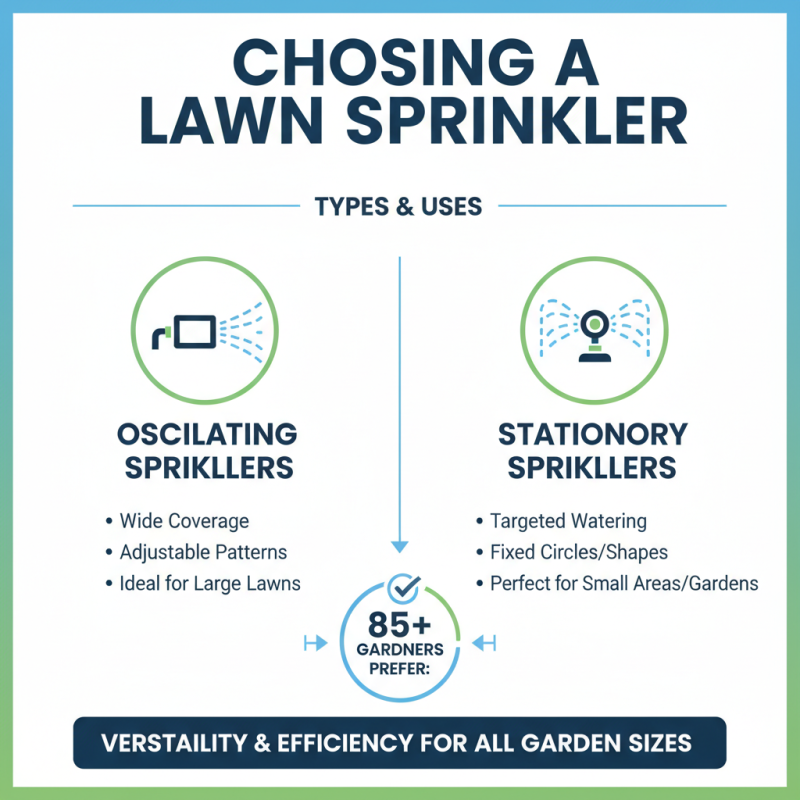
When choosing a lawn sprinkler, understanding the options is crucial. Sprinklers vary widely in types and uses. Research indicates that over 85% of gardeners prefer oscillating or stationary sprinklers for their versatility and efficiency. These models easily cover both small and larger garden areas.
Rotary sprinklers are another popular choice. They provide even coverage with adjustable spray patterns. A survey of homeowners showed that nearly 70% favored this type for its ability to reach difficult spots. However, these can be less effective in windy conditions. It's something to consider when planning your garden's layout.
Soaker hoses are also worth mentioning. They deliver water right to the roots, reducing evaporation. It seems ideal; yet, they can be difficult to install. Many users face challenges with uneven watering when using these hoses. Choosing the right type often requires balance among efficiency, ease of use, and garden size.
Factors to Consider When Choosing Lawn Sprinklers for Your Garden
When selecting lawn sprinklers, several important factors come into play. Consider the size of your garden. A small yard may not need an elaborate system. A simple, stationary sprinkler could suffice. For larger areas, oscillating or rotating models may provide better coverage. Think about your garden's layout as well. Flower beds, trees, and pathways present unique challenges. You might need different types of sprinklers working together.
Water pressure is another critical aspect. Test your home's water pressure to avoid underperformance. Certain sprinklers require higher pressure to function effectively. Efficiency matters too, especially in dry seasons. Look for models that conserve water while ensuring your plants receive adequate hydration. Reflect on how much time you can dedicate to maintenance. Some systems demand regular upkeep, which can be a hassle if you lead a busy life.
Don't forget about budget considerations. A high price tag doesn’t always guarantee superior performance. It's wise to compare features and reviews. Think about durability as well. Some materials withstand harsh weather better than others. Durability can keep costs down in the long run. Choosing the right lawn sprinkler can be overwhelming. Assessing your specific needs will streamline the decision-making process.
Benefits and Drawbacks of Different Sprinkler Types
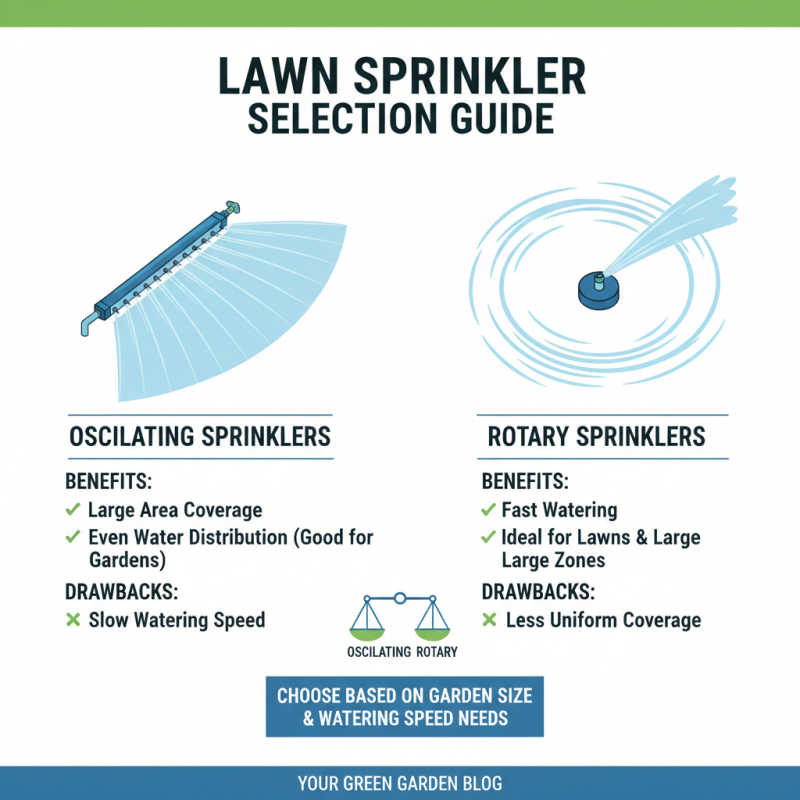
When choosing lawn sprinklers, it’s essential to weigh their benefits and drawbacks. For instance, oscillating sprinklers cover large areas. They distribute water evenly, which is great for gardens. However, they can be quite slow. Some gardens may require faster watering solutions.
On the other hand, drip irrigation is efficient and conserves water. It delivers moisture directly to the roots. This method reduces evaporation loss. But, setting it up can be complicated. Clogs are another common issue. Regular maintenance is necessary, which some gardeners may overlook.
Rotary sprinklers provide adjustable settings. They can target specific areas, preventing oversaturation. Yet, they tend to use more water. This can be wasteful if not monitored. Finding the right balance can be challenging. Every garden has unique needs, and sometimes an ideal solution is not easy to find.
How to Install and Maintain Your Garden Sprinklers Effectively
Installing garden sprinklers can seem daunting. However, a few simple steps make the process easier. Begin by mapping out your garden layout. Consider the size and shape of your garden beds, grass areas, and flower patches. Measure the distance between each sprinkler head. This helps ensure even coverage.
When it comes to the actual installation, dig small trenches for the pipes. Connect the pipes securely to the sprinkler heads. Make sure they sit at the correct height, or you may end up with uneven spraying. After everything is in place, run a test cycle. Look for leaks or dry spots that need addressing.
Maintenance is just as crucial. Regularly check the sprinkler heads for clogs. Clean them to ensure proper water flow. Adjust the spray patterns if needed. This can sometimes be trial and error. You might find that some areas need more water than others. It's essential to adjust your system based on the weather too. Overwatering can lead to waste and lawn issues. Collecting feedback from your garden can lead to better practices.
Best Types of Lawn Sprinklers for Your Garden
This chart illustrates the watering efficiency of different types of lawn sprinklers commonly used in gardening. The data shows how many liters of water each type of sprinkler can distribute per hour, helping you make an informed decision for your garden.
Cost Comparison: Investing in Lawn Sprinklers for Optimal Watering
Investing in the right lawn sprinkler can save you money long-term. According to the Irrigation Association, poorly designed irrigation systems can waste up to 50% of water. This wasted water not only increases your bill but can also harm plant health. The choice of sprinkler impacts both efficiency and cost.
When comparing costs, consider initial purchase prices alongside long-term savings. For example, drip irrigation systems may have a higher upfront cost, but they deliver water directly to roots, minimizing evaporation. Research shows that drip systems use about 30% less water than traditional sprinklers, making them a smart choice for gardeners aiming to optimize watering.
However, choosing the right system isn’t straightforward. Each garden has unique needs, and various factors influence performance. A misunderstanding of water requirements can lead to over or under-watering. Many gardeners find themselves frustrated with their systems after a few months. Identifying ideal options rests on careful planning and evaluation. Balancing costs with water efficiency continues to challenge many seeking optimal results.