Best Lawn Irrigation Equipment for Efficient Watering Solutions?
Effective lawn maintenance relies heavily on the right equipment. Lawn Irrigation Equipment plays a crucial role in ensuring your grass remains vibrant and healthy. Choosing the best irrigation tools can enhance water efficiency and save resources.
Many homeowners struggle with overwatering or underwatering their lawns. This not only affects the grass but can lead to wasted water and higher bills. Investing in the right irrigation system is essential for achieving a lush lawn while being environmentally friendly. Advanced equipment can simplify the process and provide tailored watering solutions.
However, not all products are created equal. Some may promise efficiency but fail to deliver in real-life scenarios. It’s essential to evaluate the available options critically. Look for equipment with proven performance and positive user feedback. Balancing quality and cost is vital for a sustainable lawn care routine.
Types of Lawn Irrigation Systems and Their Benefits
When selecting the right lawn irrigation system, understanding the various types available is essential.
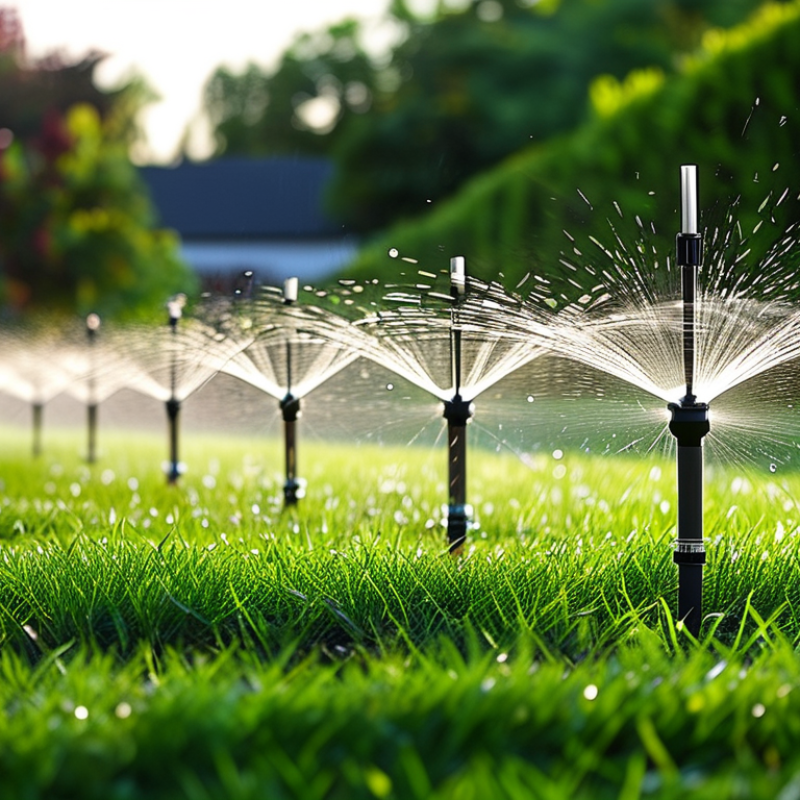
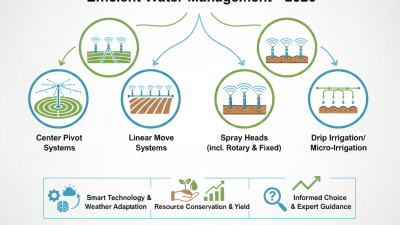
Sprinkler systems are the most common. They distribute water evenly across the lawn.
According to the Irrigation Association, 70% of residential water use goes to irrigation. Using efficient sprinklers can significantly reduce this amount.
Drip irrigation is another option. It delivers water directly to the plant's roots. This targeted approach minimizes evaporation and runoff. Reports show that drip systems can save up to 50% more water compared to traditional methods. Homeowners can see substantial savings on their water bills while maintaining a healthy lawn.
Soaker hoses are also popular for their simplicity. They release water slowly along the length of the hose, providing consistent moisture. However, this method may not cover larger areas effectively. Homeowners should consider the size of their lawns before choosing. Having the right system not only helps the environment but promotes healthier grass growth.
Key Features to Look for in Lawn Irrigation Equipment
When selecting lawn irrigation equipment, key features significantly impact efficiency. Look for drip irrigation systems, which can save up to 30% more water compared to overhead systems. These systems deliver water directly to the roots, minimizing evaporation. Additionally, opting for smart controllers ensures that watering aligns with weather changes. They can adjust schedules based on rainfall, which can reduce water waste by nearly 50%.
Another vital aspect is the flow rate of the equipment. Choose systems with adjustable flow rates. This feature allows customization based on your lawn's specific needs. A study showed proper flow can enhance soil absorption, promoting healthier grass. Consider also the materials used; durable, UV-resistant components ensure longevity and reduce the need for replacements.
Tips: Regularly check for leaks in hoses and connectors to avoid unnecessary water loss. It's essential to test the moisture level in your soil before watering. Overwatering can harm your lawn. Reflecting on your watering habits can lead to more sustainable practices. Investing in quality equipment not only benefits your lawn but also supports effective water conservation.
Best Lawn Irrigation Equipment for Efficient Watering Solutions
Comparative Analysis of Manual vs. Automated Irrigation Solutions
Irrigation solutions can greatly influence the efficiency of water usage in gardening and landscaping. Manual systems, while generally less expensive, often lead to uneven watering. A recent industry report indicated that manual irrigation systems waste about 30% more water than automated systems. This inefficiency can lead to under-watered plants or over-saturated areas. Soil moisture levels can fluctuate widely with manual methods, complicating consistent plant health.
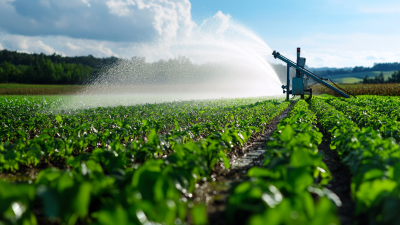
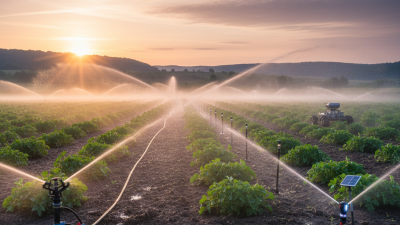
Automated irrigation solutions offer precise control over watering schedules and amounts. According to research, these systems can reduce water waste by up to 50%. They utilize sensors to assess soil moisture, allowing for targeted watering. This is particularly beneficial during dry spells, ensuring plants receive adequate hydration without excess runoff. However, initial costs for automated systems can be higher. Regular maintenance is also crucial; a neglected system can lead to malfunctions and inefficiencies.
Both methods present pros and cons. Manual systems encourage users to develop a deeper connection with their gardens. However, they require more effort and often result in increased water bills. Automated systems provide convenience and better water efficiency but can be overly reliant on technology. Users should weigh the trade-offs carefully to find the right fit for their needs.
Factors Influencing the Choice of Irrigation Equipment
When choosing irrigation equipment, several factors come into play. The size of your lawn plays a crucial role. Larger areas may require intricate systems, while smaller spaces can benefit from simple solutions. Understanding the specific water needs of your plants is essential. Different plants have varying moisture requirements.
Soil type is another critical consideration. Sandy soils drain quickly, needing frequent watering. Clay soils retain moisture longer but can benefit from drip irrigation to avoid overwatering. Climate greatly influences water efficiency. Regions with high temperatures may need more robust systems to prevent evaporation.
Budget must also be a factor. Advanced systems can be expensive initially but may save water and costs over time. Assessing your garden's layout is necessary as well. Slopes might require different equipment than level ground. Each of these elements contributes to a well-rounded decision. However, no solution is perfect. Users often need to adjust systems based on seasonal shifts. Understanding these elements ensures you create an efficient watering solution tailored to your needs.
Tips for Maintenance and Optimization of Your Irrigation System
Maintaining an efficient irrigation system requires regular attention and care. Check your system for leaks frequently. Even a small leak can waste a lot of water over time. Inspect each section of your system, including pipes, connections, and emitters. This simple task can prevent significant issues later.
Optimization is equally important. Schedule watering during cooler hours, like early morning or late evening. This practice minimizes evaporation and maximizes water absorption. Adjust the watering duration based on seasonal changes. During hot months, plants may need more water. Otherwise, reduce watering in cooler months and rainy days.
Lastly, consider the soil type in your garden. Sandy soils drain quickly and may require more frequent watering. Clay soils hold moisture longer, so they may need less. Always monitor your plants for signs of stress. Overwatering or underwatering can harm their growth. Regularly reassess your system and adapt to changing conditions for optimal results.
Best Lawn Irrigation Equipment for Efficient Watering Solutions
| Irrigation Type |
Watering Efficiency |
Recommended Area (sq ft) |
Average Cost ($) |
Maintenance Frequency |
| Drip Irrigation |
High |
1000-5000 |
150-300 |
Once a year |
| Sprinkler System |
Medium |
500-3000 |
200-500 |
Twice a year |
| Soaker Hose |
Medium |
500-2000 |
50-150 |
Once a year |
| Automated Timer System |
High |
1000-7500 |
80-200 |
Once a year |
| Rain Sensors |
High |
Varies |
50-100 |
Once a year |