Leave Your Message

Best Hose Connector Types for Your Garden Needs?

When it comes to garden care, understanding the right hose connector types is essential. Expert gardener Sarah Thompson emphasizes, "A proper hose connector can make or break your gardening experience." Different connectors can drastically affect water flow. Choosing the right one prevents leaks and enhances efficiency.

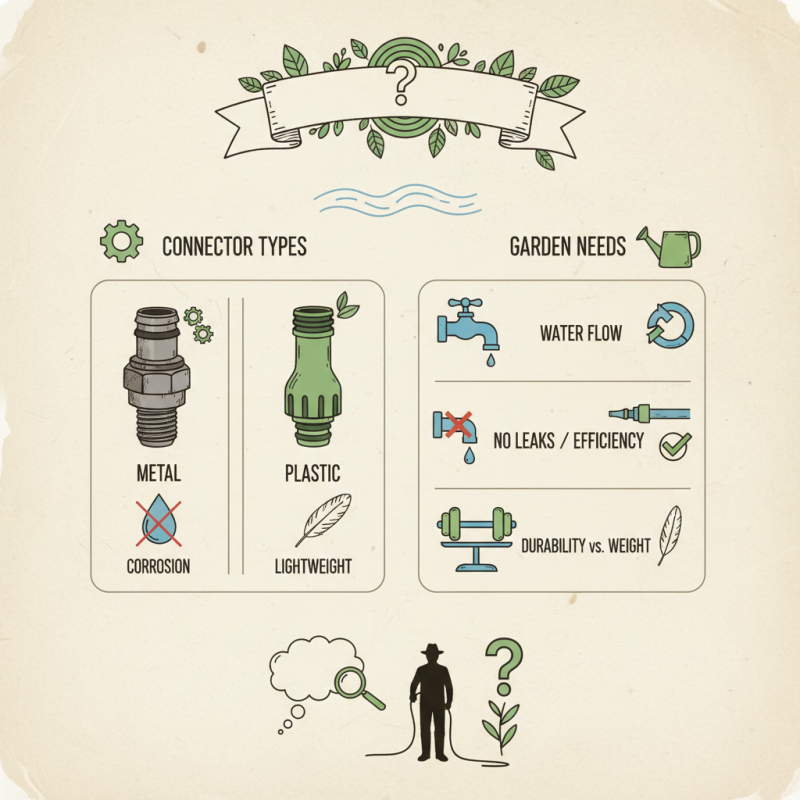
Consider the materials available. Metal connectors are durable but can corrode over time. Plastic options are lightweight but may not offer the same reliability. Each type has its pros and cons. It's crucial to reflect on your garden's specific needs before making a choice.

Hose connectors are often overlooked yet vital. The right choice can simplify watering tasks. Conversely, choosing poorly can lead to frustration. Evaluate your hose's requirements. Ask yourself if you prioritize durability or weight. Small details matter in gardening, where every drop counts.
Best Hose Connector Types for Your Garden Needs?

Understanding Different Types of Hose Connectors for Garden Use

Best Hose Connector Types for Your Garden Needs?

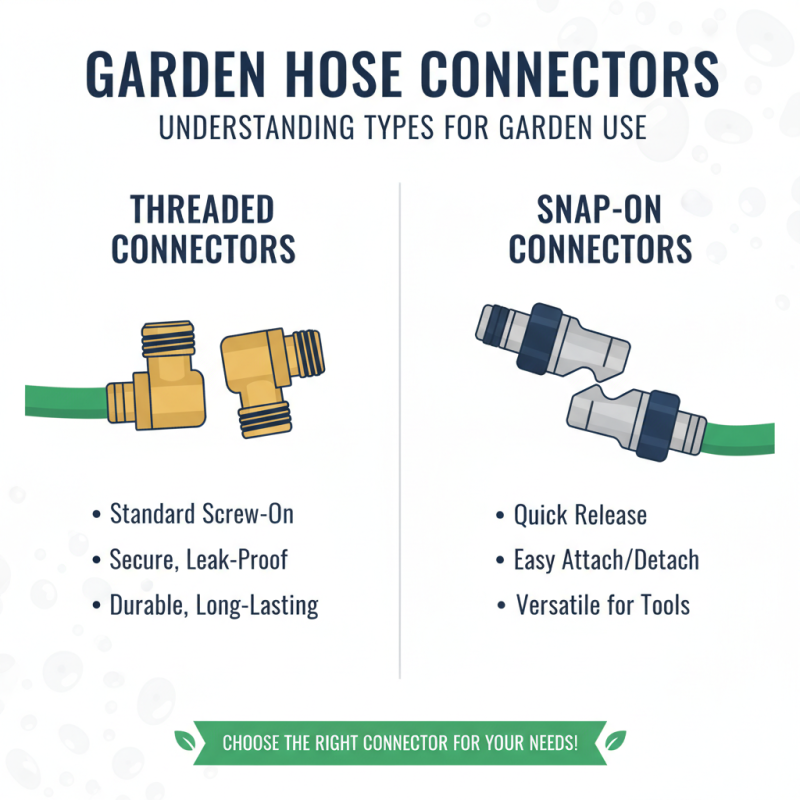
When choosing hose connectors for garden use, understanding the various types is crucial. Gardeners can benefit from the flexibility and ease of use that a solid connector provides. Some popular options include threaded connectors and snap-on connectors. They each have unique benefits, offering versatility for different watering tasks.

Threaded connectors are common. They securely screw onto the faucet or hose. This creates a tight seal. However, if not tightened enough, they can leak. On the other hand, snap-on connectors allow for quick changes between watering tools. They make switching between a spray nozzle and a soaker hose easy. Still, they may wear down over time, leading to connectivity issues.

Another option is the quick-connect system. These connectors simplify attaching multiple hoses. However, misalignment can cause frustrating leaks. Using the right connector depends on your specific gardening needs. It's important to consider durability, usage frequency, and ease of attachment. This understanding can significantly enhance your gardening experience.
Essential Features to Consider When Choosing Hose Connectors

Best Hose Connector Types for Your Garden Needs?

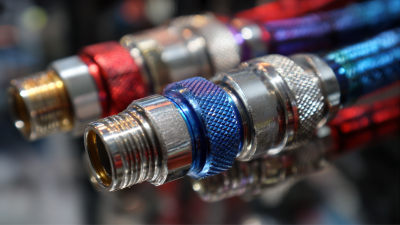
When choosing hose connectors, consider several essential features. Material is crucial. Durable connectors resist weather and wear. Metal connectors often last longer than plastic ones, but they can be heavier. A lightweight option might be easier to handle but may wear out faster. Think about your watering needs. Will you be connecting multiple hoses? Look for connectors with multiple ports for flexibility.

Next, ensure compatibility. Different hose diameters require specific connectors. Measuring your hose diameter is smart before purchasing. Some connectors are designed to fit various sizes, increasing versatility. Check the ease of use. A connector that twists on quickly will save you time during garden tasks. Ensure it has a secure grip to prevent leaks. Look for connectors with rubber grips for better handling.

Finally, consider the design. Some connectors come with additional features, like built-in shut-off valves. This can save water and make it easy to switch attachments. Reflect on your garden's size and layout. A connector that works great in one spot may not suit another area well. Take time to choose thoughtfully, as the right connector can make garden watering a breeze.

Comparing Material Types: Plastic vs. Metal Hose Connectors

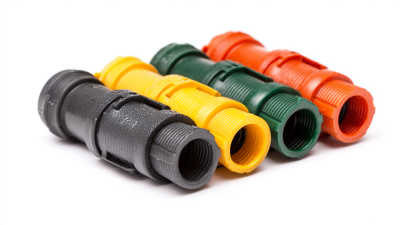
When choosing hose connectors for your garden, the material is crucial. Plastic connectors are lightweight and inexpensive. They are easy to handle. However, they may crack under extreme temperatures. Over time, UV exposure can degrade their strength. If you are on a budget, plastic can work initially, but consider longevity.

On the other hand, metal connectors offer durability and a longer lifespan. They withstand pressure better than plastic. Metal is less likely to bend or break. Still, they can be heavier and more expensive. Additionally, metal connections may corrode if exposed to water continuously. This rust can affect water flow.

Both types have pros and cons. Plastic connectors might require frequent replacements. Metal connectors provide reliability but need maintenance. Reflect on your garden's demands. Think about local weather conditions and usage patterns. Your choice should align with both convenience and practicality.

Best Hose Connector Types for Your Garden Needs

Popular Hose Connector Designs and Their Applications in Gardening

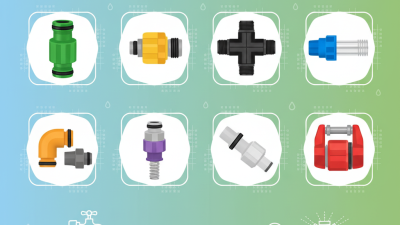
Gardeners often struggle with hose connections. Choosing the right type can make a big difference. Popular options include threaded, quick-connect, and snap-on connectors. Each type serves specific gardening needs. Threaded connectors offer a secure fit. They are ideal for high water pressure. Quick-connect options save time. They allow for easy attachment and detachment. Snap-on connectors are great for casual users. They are simple and effective for light watering tasks.

According to industry reports, around 70% of gardeners opt for quick-connect designs. Their convenience appeals to many. However, some find them less durable. Material choice impacts longevity. Plastic connectors might wear out faster than metal ones. Choosing the right material is crucial for lasting performance. A well-made connector can last several seasons.

Tips: Always check the compatibility of your connector with the hose size. Regularly inspect connectors for wear and tear. A little maintenance can extend their life. Consider the watering needs of your garden while selecting a connector. This ensures you make the right choice for your specific situation. Remember, even the best connectors can fail if not properly maintained.

Best Hose Connector Types for Your Garden Needs

Connector Type Material Application Advantages Disadvantages
Plastic Hose Connectors Plastic General garden use Lightweight, inexpensive Less durable, can crack in cold weather
Metal Hose Connectors Brass or Stainless Steel Heavy-duty applications Durable, resistant to rust Heavier, more expensive
Quick Connect Hose Fittings Plastic or Metal Frequent use, quick changes Convenient, easy to use Can leak if not properly secured
Hose Splitters Plastic or Brass Multiple hoses from one tap Increases water distribution Potential for leaks at connections
Garden Hose End Connectors Plastic or Metal Connect hose to nozzle Reliable, strong connection Can be difficult to install

Tips for Maintaining and Storing Your Hose Connectors Effectively

Maintaining and storing hose connectors properly is crucial for a well-functioning garden. Start by cleaning them after each use. A simple rinse will remove dirt and debris. Keep a soft brush handy for stubborn residue. Dry them thoroughly to prevent rust and corrosion. If they accumulate grime over time, use mild soap to clean them effectively.

Storage is equally important. Store connectors in a cool, dry place. Avoid exposure to direct sunlight, as it can cause plastic parts to degrade. Consider using a dedicated container or bin. This helps in organizing your tools. Keep them away from moisture to prevent mildew. Make it a habit to check for leaks or wear. This way, you can replace faulty connectors before they frustrate you next season.