Best Garden Hose Valve Options for Every Homeowner?
When it comes to maintaining a healthy and vibrant garden, a reliable Garden Hose Valve is essential. This small but mighty tool helps control water flow with ease, ensuring efficient watering without any hassle. Homeowners often overlook the importance of choosing the right valve. A high-quality valve can make all the difference in your gardening experience.
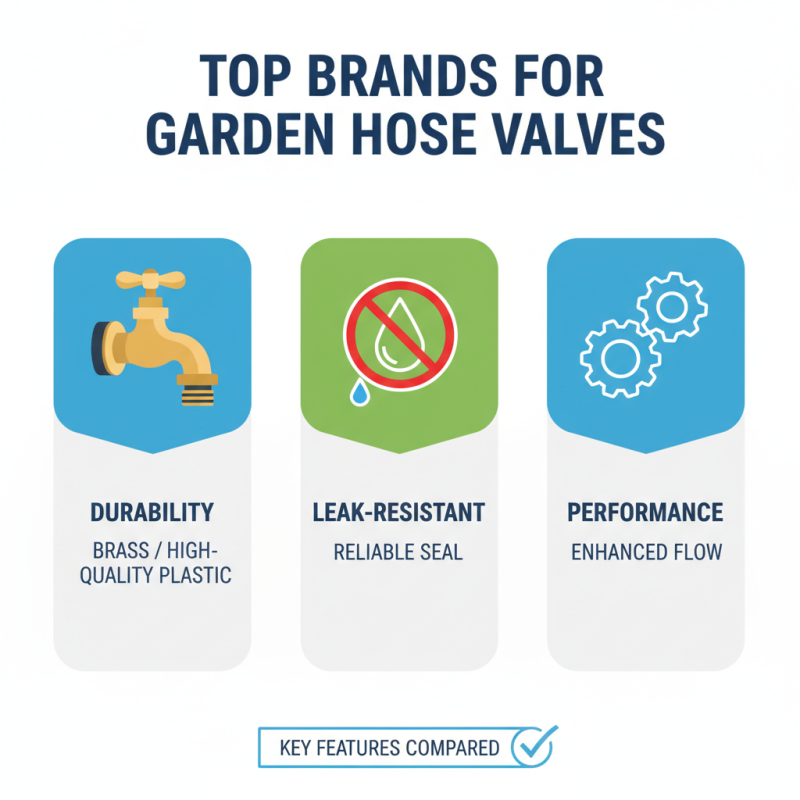
Consider the variety of options available today. From brass to plastic, different materials offer unique benefits. It's important to weigh durability against your budget. Some homeowners might find that a cheaper option fails after a short period. Investing in a good Garden Hose Valve could save you money in the long run.
Choosing the right valve is an experience many can relate to. The wrong choice can lead to leaks and frustration. It’s worth taking the time to evaluate your needs. Think about the size of your garden and your watering habits. With thoughtful consideration, you can find the perfect Garden Hose Valve for your home.
Types of Garden Hose Valves: An Overview for Homeowners
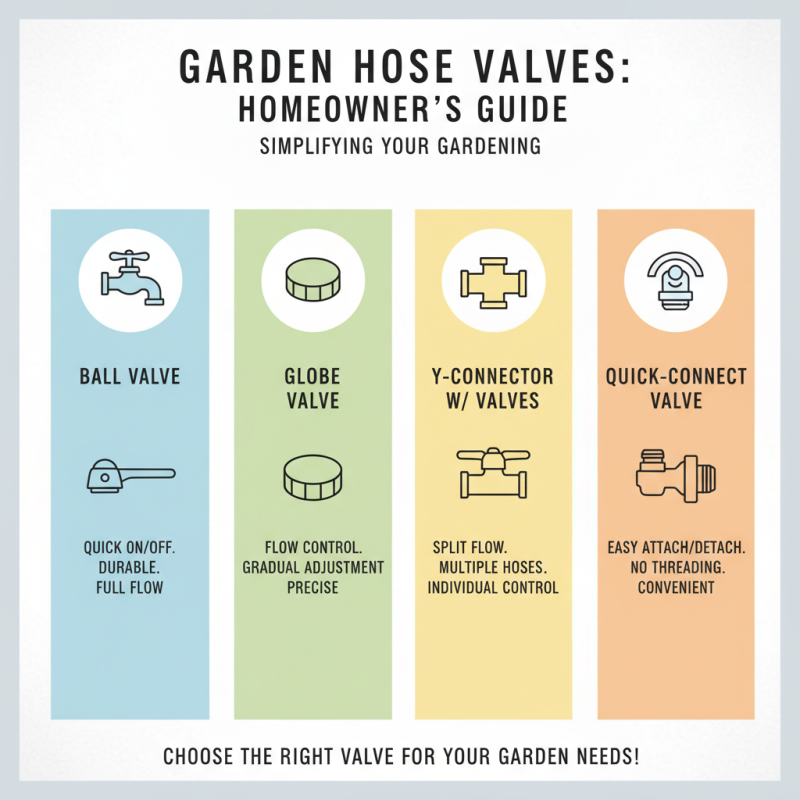
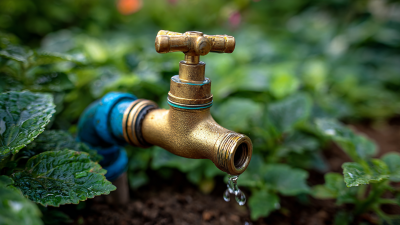
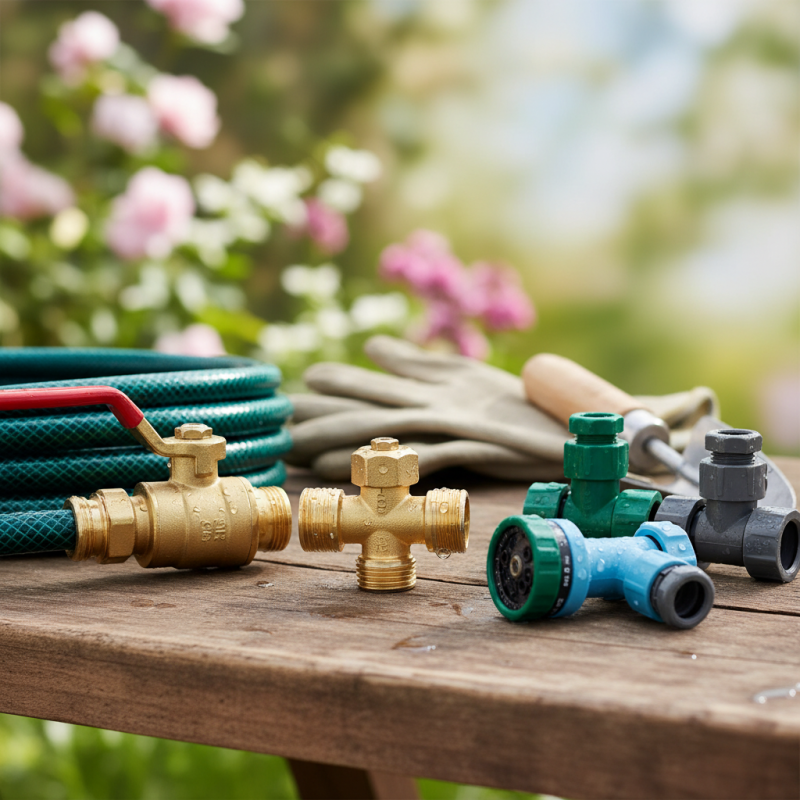
When it comes to garden hose valves, understanding the different types can make a big difference in your gardening experience. Hose bibs are common. They are simple, basic valves installed directly on the wall or ground. They allow for basic water flow control. However, they might not be suitable for every user’s needs. A user might find that they need more precise control over water pressure for delicate plants.
Another option is a shut-off valve. These are typically located along the hose line and enable gardeners to stop the water flow without going back to the faucet. This feature is handy when moving between different areas of your garden. However, some users might find that these can sometimes leak or wear out over time.
Tips: Make sure to choose a valve that fits your hose diameter. Always check for durability in materials, particularly for outdoor conditions. Remember, if a valve doesn’t feel right or operates poorly, it might need replacing or should be reconsidered. A simple yet critical aspect is frequent checks to ensure everything works smoothly. Minor leaks or stiffness can signal issues that could lead to bigger problems later.
Factors to Consider When Choosing a Garden Hose Valve
Choosing the right garden hose valve involves several factors. First, consider the material. Brass valves are durable and resist corrosion. Plastic options are lightweight and cost-effective but may wear out more quickly. According to a 2021 consumer report, brass valves have a lifespan of about 10 years, while plastic ones average around 3-5 years.
Another important aspect is the valve size and compatibility. Most hoses have a standard 3/4-inch connection. However, not all valves fit every hose type. Ensuring a proper fit can prevent leaks and ensure efficient water flow. Research indicates that nearly 30% of homeowners experience issues due to mismatched sizes.
Flow rate is also crucial. Optimal valves should provide good water pressure without significant loss. A 2019 study showed that homeowners often underestimate the impact of flow rate on watering efficiency. Selecting a valve with adjustable flow can offer flexibility for different types of gardening tasks. Users should regularly monitor their equipment to identify any wear. Identifying leaks early can prevent costly water bills. A well-chosen valve can significantly enhance your gardening experience.
Installation Tips for Your New Garden Hose Valve
Installing a garden hose valve can greatly enhance your gardening experience. A well-installed valve allows for better water control, reducing waste. Research indicates that homeowners can save approximately 30% on water usage by installing efficient valves. This can lead to significant savings over time, especially in areas facing drought.
When installing your new garden hose valve, consider the type of connection. It's crucial to have a secure fit to prevent leaks. Check that your hose and the valve are compatible in diameter. Be sure to use Teflon tape to seal the threads. A recent study highlighted that improper fitting contributes to around 15% of water loss in residential gardens. Even minor adjustments can lead to improved efficiency.
After installation, regularly inspect your valve for leaks or corrosion. Maintenance is essential for longevity. Often overlooked, this step is vital to ensure your valve performs effectively. Engaging in routine checks can prevent costly damages. Remember, knowing how to troubleshoot issues can save you time and resources in the long run. Neglecting these details might lead to unexpected frustrations.
Best Garden Hose Valve Options for Every Homeowner
Maintenance Practices to Extend the Life of Hose Valves
Maintaining garden hose valves is critical for longevity. Regular checks can significantly extend their lifespan. According to a recent industry report, proper maintenance can increase the life of hose valves by over 50%. Simple practices can make a remarkable difference.
Cleaning the valve periodically is crucial. Dirt and debris can build up, causing leaks. Inspecting seals for wear and tear is also essential. Replacing worn seals can help prevent water loss. Surprisingly, many homeowners overlook these minor yet vital tasks. Studies suggest that 30% of garden hose issues stem from neglecting routine maintenance.
Proper winterization is another key practice. Draining the valve to prevent freezing is necessary in colder climates. Failure to do this can lead to cracks. A staggering 40% of valve failures occur due to winter damage. Many users assume their hoses will last without care, but proactive measures are vital.
Best Garden Hose Valve Options for Every Homeowner
| Valve Type |
Material |
Connection Type |
Max Pressure (PSI) |
Average Lifespan (Years) |
| Brass Valve |
Brass |
3/4" GHT |
100 |
15 |
| Plastic Valve |
High-Density Polyethylene |
3/4" GHT |
60 |
5 |
| Stainless Steel Valve |
Stainless Steel |
3/4" GHT |
150 |
20 |
| Moisture-Resistant Valve |
PVC |
3/4" GHT |
80 |
10 |
| Anti-Siphon Valve |
Polycarbonate |
3/4" GHT |
90 |
12 |