Best Agricultural Water Sprinkler Solutions for Efficient Farming?
Efficient farming requires effective water management. One crucial element in this process is the Agricultural Water Sprinkler. These systems can optimize water usage, making them essential for modern agriculture. However, not all sprinklers are created equal.
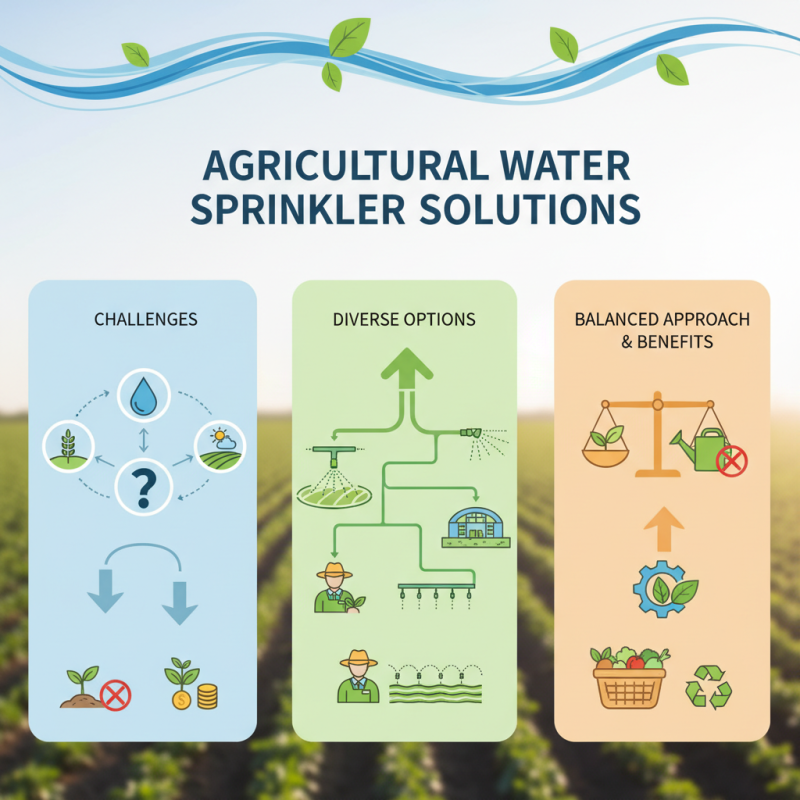
Farmers face challenges in choosing the right system. Different crops have unique water needs. The terrain and climate also play significant roles. Sometimes, a solution that works well in one area fails in another. This uncertainty can lead to wasted resources and lower yields. Understanding the various options available is vital for successful implementation.
Striking the right balance in irrigation is not easy. Overwatering can harm crops, while underwatering can stunt growth. It’s a delicate dance. By exploring diverse Agricultural Water Sprinkler solutions, farmers can make informed decisions. This can lead to not only increased efficiency but also sustainability in their farming practices.
Understanding the Importance of Water Sprinklers in Agriculture
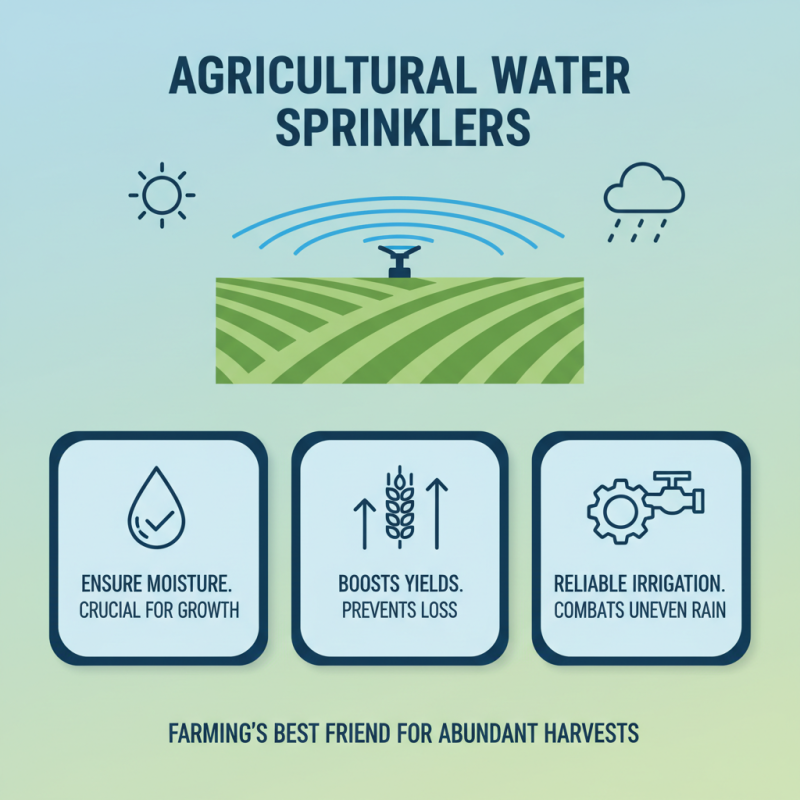
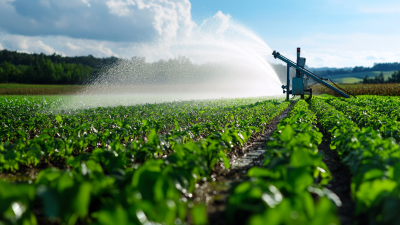
Water sprinklers play a vital role in agriculture. They ensure crops receive adequate moisture. This is crucial for growth. Without proper irrigation, yields can suffer significantly. Farmers face challenges with uneven rainfall. Sprinklers provide a reliable solution to this problem.
Different types of sprinklers cater to various needs. Some are designed for large fields, while others fit smaller gardens. The choice affects water efficiency. Farmers must consider the soil type and crop needs. Not every system works on every land. Testing different approaches is essential.
The effectiveness of sprinklers requires regular maintenance. Clogged nozzles can lead to uneven watering. Malfunctioning systems waste both money and water. Farmers need to monitor their setup frequently. Adapting to challenges in farming is crucial too. Each season can bring new issues. Embracing flexibility can lead to better outcomes.
Types of Agricultural Water Sprinklers and Their Applications
When it comes to agricultural water sprinklers, several types stand out for their efficiency.
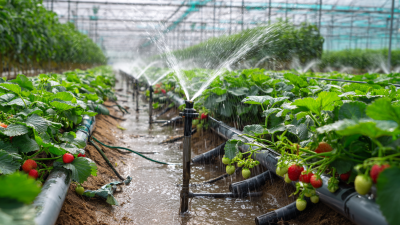
Drip irrigation is one widely-used method.
It delivers water directly to the plant roots. Reports suggest that drip irrigation can reduce water usage by up to 50%.
This method minimizes evaporation and runoff. However, installation can be costly and may require regular maintenance.
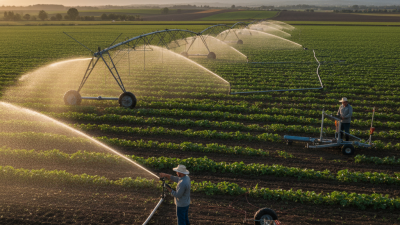
Another common type is the center pivot sprinkler system.
This method covers large areas effectively. Studies show that these systems increase crop yields by up to 25% on average.
However, they also consume significant water resources. Improper operation may lead to uneven coverage.
Farmers need proper training to maximize efficiency.
Finally, solid set sprinklers provide better control over water distribution.
They are ideal for high-value crops. Yet, they may not be suitable for all terrains. Farmers must assess their land and crop types before choosing a system.
Not all solutions fit every farming need.
Choosing the right sprinkler requires careful consideration. Managing water efficiently remains a challenge for many.
Factors to Consider When Choosing a Water Sprinkler System
Choosing the right agricultural water sprinkler system is crucial for efficient farming. Various factors come into play. Assess your crop type and the size of your field. Different plants have different water needs. For example, vegetables may require more frequent watering than grains.
Consider the local climate. Areas with high evaporation rates may need a system that provides a consistent moisture level. Pay attention to your soil type as well. Sandy soils drain quickly, while clay retains water. This affects how often you should sprinkle.
Tip: Always measure your water pressure. Insufficient pressure can lead to uneven watering. Test your system before peak season to avoid surprises.
Another factor is installation and maintenance. Some systems are complex and require professional help. This can add to your costs. Think about your budget as well. A cheaper option may save money upfront, but could lead to higher maintenance costs later.
Tip: Don’t ignore automation features. Timers and sensors can save water and time. They make irrigation more efficient. Regularly evaluate your system for improvements. Sometimes, updating a small part can enhance overall performance.
Innovative Technology in Agricultural Water Sprinklers
Innovative technology in agricultural water sprinklers revolutionizes farming. These modern systems utilize sensors and timers. They optimize water usage, enhancing crop yields. Smart systems can adjust schedules based on weather data. This ensures plants receive the right amount of water.
Tips for choosing the right sprinkler include evaluating your farm's size. Different crops may require distinct watering methods. Consider a combination of fixed and movable systems. This approach allows versatility on varied terrain. Also, investing in high-quality materials can reduce maintenance costs.
Install moisture sensors in the soil. They help monitor conditions continuously. This real-time data can lead to better decision-making. However, remember that technology is not foolproof. Regular checks and manual adjustments may still be necessary. Adapting to changes in climate is essential for optimal results.
Best Practices for Maintaining Agricultural Water Sprinklers
Proper maintenance of agricultural water sprinklers is essential for optimizing farming efficiency. Regular inspections can prevent issues before they escalate. Check for clogs or leaks frequently. Even small leaks can lead to significant water waste. Settling debris can cause blockages, impairing water flow. Clean the filters regularly to ensure smooth operation.
Adjusting sprinkler patterns is equally important. Sprinklers should be positioned to cover the intended areas without overlap. This adjustment reduces water waste and ensures even distribution. Farmers often overlook this simple step, leading to uneven watering. Inspecting your sprinkler heads for damage is crucial. Damaged heads not only affect distribution but can also waste resources.
Finally, use water efficiently by scheduling sprinkler usage. Timing irrigation for early morning or late evening minimizes evaporation. Every farm has different needs, so experiment with various schedules. Reflecting on your practices can uncover areas for improvement. Consistently maintaining and adjusting your irrigation system leads to healthier crops and sustainable farming practices.