What Are the Benefits of Using Automatic Sprinkler Systems?
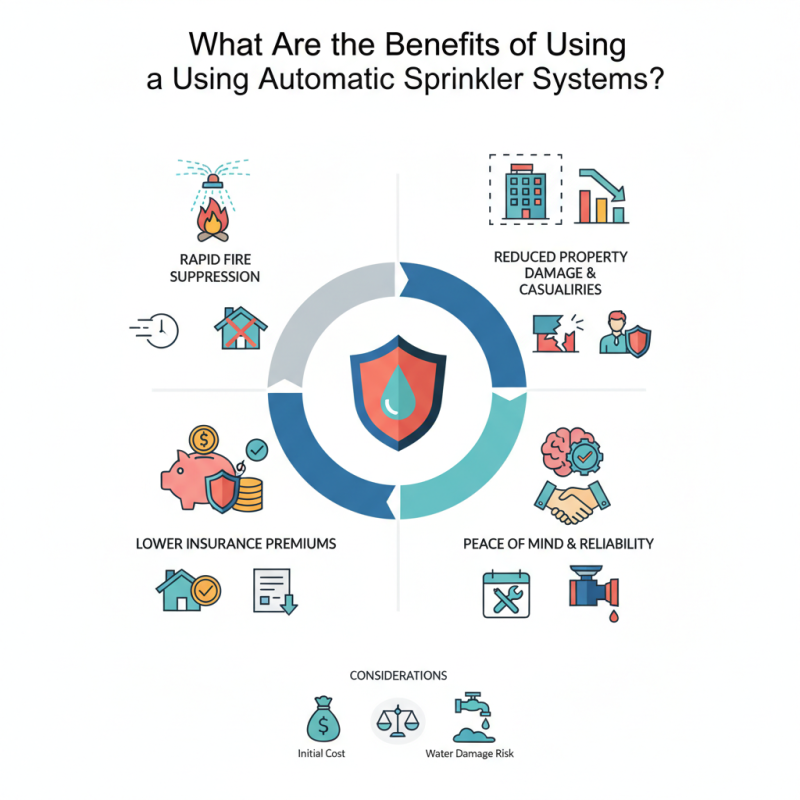
Automatic sprinklers are an essential feature for modern fire safety in both residential and commercial properties. These systems automatically detect fires and release water to control flames quickly. The efficiency of automatic sprinklers significantly reduces property damage and enhances safety. In fact, buildings equipped with these systems show a notable decrease in fire-related casualties.
Investing in an automatic sprinkler system can also lead to lower insurance premiums. Insurance companies recognize the reduced risk and reward policyholders. However, it's important to ensure regular maintenance of these systems. Neglected sprinklers might not function properly during an emergency, which raises concerns about reliability.
While the advantages of automatic sprinklers are clear, some may overlook potential drawbacks. Initial installation costs can be high. Additionally, the water damage from a sprinkler malfunction poses another risk. It is crucial to weigh these factors carefully. Overall, an automatic sprinkler system remains a vital component in fire safety, proving essential for protecting lives and property.
Overview of Automatic Sprinkler Systems and Their Functionality
Automatic sprinkler systems are essential for enhancing fire safety in buildings. They detect heat and activate in emergencies, releasing water to control flames. This quick response can significantly reduce damage and save lives. The design relies on a network of pipes and sprinkler heads, providing thorough coverage.
These systems are often installed in commercial and residential properties. They function by using a heat-sensitive mechanism to trigger water flow. This ensures that even isolated areas are protected. Regular maintenance is crucial for optimal performance. Neglecting this aspect can lead to malfunction or lower effectiveness.
Despite their many advantages, some may overlook the cost of installation. Understanding long-term savings can be beneficial. Insurance costs may decrease after installation. Moreover, these systems promote peace of mind for occupants. Knowing there's a fire protection system in place is invaluable. Implementing such systems is not just about compliance; it’s a proactive measure for safety.
Key Benefits of Installing Automatic Sprinkler Systems for Property Owners
Automatic sprinkler systems provide significant advantages for property owners. They greatly enhance fire safety by reducing damage and risk to life. According to the National Fire Protection Association, properties with sprinkler systems experienced 87% fewer fire deaths. This statistic highlights the critical role of these systems in safeguarding occupants and assets.
In addition, these systems can lead to considerable insurance savings. Many insurance companies offer discounts for properties with automatic sprinkler systems. Reports indicate that these discounts can range from 5% to 15%. This reduction in insurance costs can help property owners recoup the initial investment over time. It also indicates a growing recognition of the value of enhanced fire safety measures.
Moreover, automatic sprinklers can minimize fire-related losses. A study by the Fire Protection Research Foundation revealed that properties equipped with sprinklers have a 50% reduction in property damage during fires. However, the installation and maintenance of these systems can sometimes be complex. Ensuring proper functionality requires regular checks. Despite this potential flaw, the overall benefits of improved safety and financial savings far outweigh the challenges.
Benefits of Using Automatic Sprinkler Systems
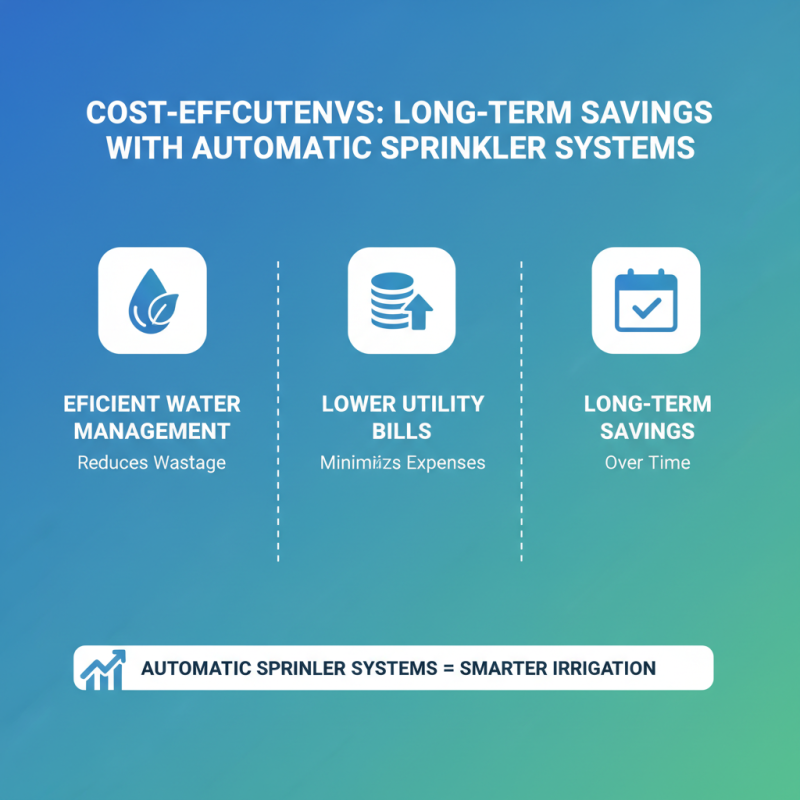
Cost-Effectiveness: Long-Term Savings with Automatic Sprinkler Systems
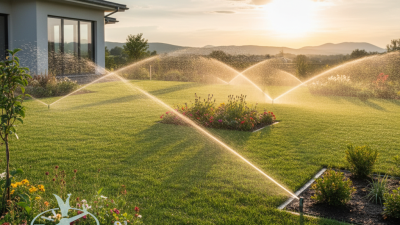
Automatic sprinkler systems are designed to provide efficient water management for landscaping and agriculture. Cost-effectiveness is a major advantage of these systems. In the long run, they save water and minimize utility bills. Efficient irrigation reduces water wastage, leading to lower expenses over time.
Many homeowners notice the initial investment in sprinkler technology. However, the savings from reduced water bills can be significant. A properly designed system can often pay for itself within a few years. It’s also a way to enhance property value. However, some may overlook maintenance costs. Regular checks are vital for optimal performance. Neglect can lead to unexpected expenses.
There’s a learning curve when adapting to automation. Many users report initial challenges in programming the system. Mismanagement can occur, resulting in overwatering or underwatering. But this is part of the journey toward efficiency. Taking the time to understand the system can yield high rewards. Investing in education about proper use can maximize benefits.
Enhancing Fire Safety: How Sprinklers Protect Lives and Property
Automatic sprinkler systems play a crucial role in enhancing fire safety. These systems can significantly reduce the risk of loss during a fire. According to the National Fire Protection Association (NFPA), buildings with sprinkler systems have a
67% lower fire death rate compared to those without. Sprinklers can activate within seconds of detecting heat, providing immediate response to flames. This rapid action can mean the difference between a minor incident and a devastating blaze.
In terms of property protection, automatic sprinklers can minimize damage. The same NFPA report states that, on average, fires in sprinklered buildings experience property loss of only
$2,165 per fire. In contrast, fires in non-sprinklered buildings can lead to losses exceeding
$41,000 per incident. This disparity underscores the effectiveness of sprinklers in safeguarding not just lives, but also valuable assets. However, some buildings still lack automatic systems, raising questions about compliance and the need for public awareness on fire safety measures.
Environmental Impact: Water Efficiency of Modern Automatic Sprinkler Systems
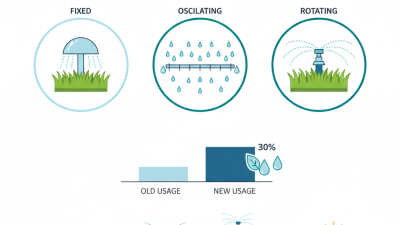
Modern automatic sprinkler systems have transformed water efficiency in irrigation, reducing waste while maintaining effective coverage. According to the Environmental Protection Agency, these systems can reduce outdoor water usage by approximately 30%, an impressive statistic given growing water scarcity concerns. With traditional methods often leading to overwatering and runoff, automatic systems ensure precise watering based on real-time weather data and soil moisture levels.
However, challenges remain. Installation costs and maintenance can be significant hurdles for many property owners. The Water Research Foundation reports that while automated systems save water, improper settings can actually lead to increased usage. Educating users on optimal settings is crucial. Furthermore, seasonal adjustments are often neglected, which can further exacerbate water waste. While technology provides many benefits, ongoing monitoring and management are essential for maximizing efficiency and ensuring environmental sustainability.
What Are the Benefits of Using Automatic Sprinkler Systems? - Environmental Impact: Water Efficiency of Modern Automatic Sprinkler Systems
| Feature |
Benefit |
Water Efficiency (%) |
Environmental Impact |
| Smart Irrigation Control |
Adjusts watering based on weather conditions |
30% more efficient |
Reduces water runoff and soil erosion |
| Zone Management |
Customizes watering for different areas |
25% more efficient |
Promotes healthy plant growth |
| Scheduled Watering |
Automated watering reduces waste |
40% more efficient |
Conserves water resources |
| Rain Sensors |
Prevents unnecessary watering during rainfall |
35% more efficient |
Reduces energy footprints |