2026 Best Garden Sprinkler Options for Your Lawn?
In 2026, garden sprinklers are vital for maintaining lush lawns. According to the Irrigation Association, efficient irrigation is crucial. A well-designed system can reduce water use by up to 30%. This helps conserve resources while keeping gardens vibrant.
Garden sprinklers come in various types. Selecting the right one for your lawn is essential. Research shows that over 60% of homeowners struggle to choose the best option. Many factors affect this decision: lawn size, soil type, and local climate. A poor choice can lead to water waste and wilting plants.
Consider the landscape when choosing a garden sprinkler. A compact yard may benefit from a stationary sprinkler, while larger areas may require a rotating option. Many users overlook the importance of adjusting the settings. Wrong adjustments can result in dry patches or overwatering. Reflecting on these choices often leads to better management of garden resources.
Types of Garden Sprinklers for Different Lawn Sizes and Shapes
Choosing the right garden sprinkler can dramatically affect your lawn's health. Different lawn sizes call for specific sprinkler types. Small yards may benefit from a stationary sprinkler. It distributes water precisely. Larger spaces need oscillating or rotating sprinklers. These can cover more area efficiently.
According to industry reports, around 30% of water usage in homes goes to landscape irrigation. Using efficient systems can save water and money. Consider a drip irrigation system for gardens or flower beds. It's effective for plants and minimizes evaporation.
Tips: Always check the moisture level in your soil before watering. This can prevent overwatering and is healthier for grass. Keep in mind that some sprinklers have uneven watering patterns. It might lead to dry spots. Measuring coverage can help you optimize efficiency.
2026 Best Garden Sprinkler Options for Your Lawn
This chart illustrates the recommended number of garden sprinklers based on different lawn sizes. As the lawn area increases, the number of required sprinklers also rises to ensure efficient watering.
Key Features to Consider When Choosing a Garden Sprinkler
Choosing the right garden sprinkler can be overwhelming. Different options are available, and each serves a unique purpose. It's essential to identify the key features that matter most for your lawn.
Water coverage is crucial. Consider how much area you need to irrigate. Some sprinklers spray in a circular pattern. Others cover rectangular spaces. There are oscillating models that move back and forth. Each type suits different lawn shapes and sizes.
Adjustability is another vital feature. Many sprinklers allow you to change the range and intensity of the spray. This flexibility ensures your plants receive just the right amount of water. Think about the types of plants you have. Some may require more moisture, while others thrive on less.
Durability is important too. Look for materials that can withstand both sun and water. Cheap models might break easily, leading to replacement costs. It’s wise to weigh these factors carefully. Often, people choose based on price alone and regret it later. Considering these features will help you find a sprinkler that meets your lawn’s unique needs.
2026 Best Garden Sprinkler Options for Your Lawn
| Type |
Coverage Area |
Watering Range |
Features |
Price |
| Oscillating |
2,500 sq ft |
Up to 30 ft |
Adjustable width and range |
$45 |
| Stationary |
1,000 sq ft |
Fixed pattern |
Durable plastic design |
$20 |
| Rotary |
3,000 sq ft |
Up to 40 ft |
360-degree spray pattern |
$55 |
| Traveling |
5,000 sq ft |
Adjustable up to 100 ft |
Mobile design |
$120 |
| Soaker Hose |
Varies |
Integrated watering |
Simple installation |
$30 |
Top Brands and Models of Garden Sprinklers for 2026
When it comes to choosing the
best garden sprinkler
for your lawn in 2026, there are numerous options available. Many models feature
adjustable spray patterns. This allows homeowners to customize the watering process based on their garden's needs. Traditional oscillating sprinklers might seem simple, but their efficiency is often overlooked.
Some brands focus on innovative designs and technology. Certain models have
built-in timers
that ensure even watering. However, these advanced features can be confusing. A
learning curve
is often necessary. Many users struggle with setting up the timers correctly. This can lead to uneven watering and unintentional dry patches on the lawn.
Portable sprinkler systems are gaining popularity. They can be moved easily from one area to another. While this flexibility is convenient, it also means they require constant monitoring. Forgetting to move a sprinkler can waste water and lead to areas being
overwatered. Ultimately, the best choice depends on individual lawn needs, preferences, and challenges.
Maintenance Tips for Prolonging the Life of Your Sprinkler System
Maintaining your garden sprinkler system is essential for optimal performance. Regular inspections can prevent costly repairs down the line. Look for leaks and clogs in the hoses. Check the sprinkler heads to ensure they are not damaged or clogged with dirt. A simple cleaning can enhance their efficiency.
Consider adjusting your sprinkler settings throughout the seasons. Overwatering can lead to water wastage and lawn diseases. Set timers to ensure even watering, especially during hotter months. The best sprinklers often require thoughtful adjustments to be effective. You might need to tweak the spray patterns for those tricky corners in your garden.
Don’t forget about winterizing your system. Remove any excess water to avoid freezing damage. You might overlook this step, but it can lead to significant issues when spring returns. Always keep an eye on any signs of wear. Small issues can become big problems if ignored over time. Maintaining your system is a process, not just a task.
Environmental Considerations: Water Efficiency in Sprinkler Use
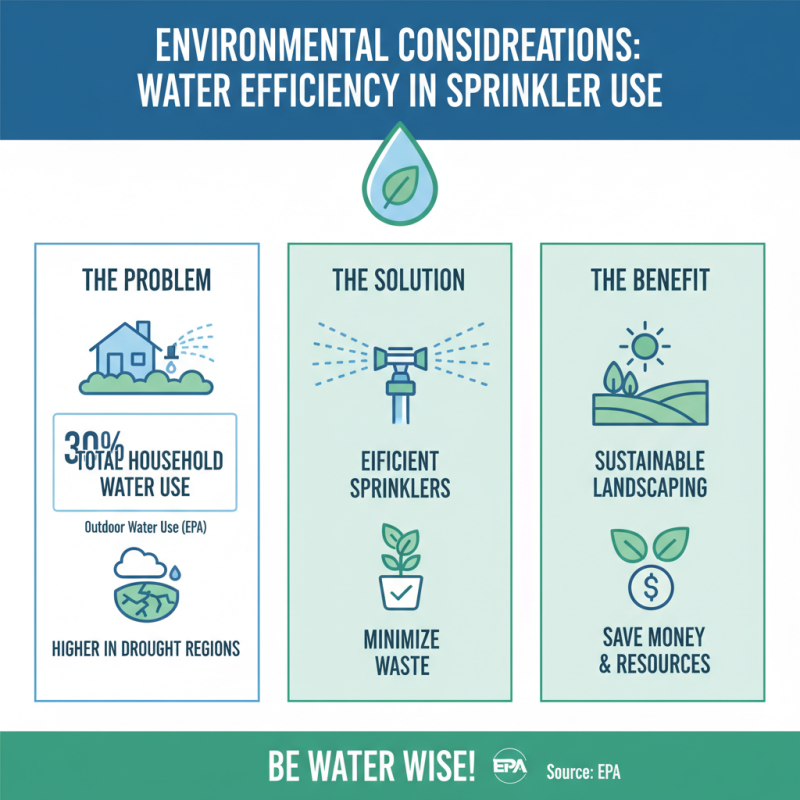
When considering garden sprinklers, water efficiency is crucial. According to the EPA, outdoor water use can account for nearly 30% of total household water use. In regions facing drought, this figure can be even higher. Efficient sprinklers minimize water waste and contribute to sustainable landscaping.
Tips: Adjust the sprinkler settings based on weather conditions. If it rains, skip the watering day.
Choosing the right sprinkler can make a significant difference. Drip irrigation systems deliver water directly to the roots, reducing evaporation and runoff. Traditional sprinklers can oversaturate areas, leading to overcrowding and water loss. It is essential to monitor how much water your lawn truly requires.
Tips: Invest in a rain sensor for your sprinkler system. This will automatically adjust or shut off the system when rain is detected.
Understanding your lawn’s needs often requires some trial and error. Measure water output during the first few uses to gauge effectiveness. An unnecessary amount of water can lead to lawn diseases. Balancing water needs and lawn health is key for sustainable gardening.